 Snohomish
 Storm Damage Roof Repair, Built for the Machias Area
Machias sits in the low, tree-lined country just outside Snohomish, where big firs and cedars ring most properties and the roofline rarely gets a full day of direct sun in the winter months. That combination — heavy tree cover, damp air off the river valley, and long stretches of driving rain — means roofs here take a different kind of beating than roofs in drier parts of Snohomish County. When a windstorm knocks down a branch, wind-driven rain finds a lifted shingle edge, or a season of moss finally works its way under the roofing, the damage is rarely as simple as "one bad shingle." We repair storm-damaged roofs for homes in and around Machias regularly, and we've built our process around what actually causes failures out here.
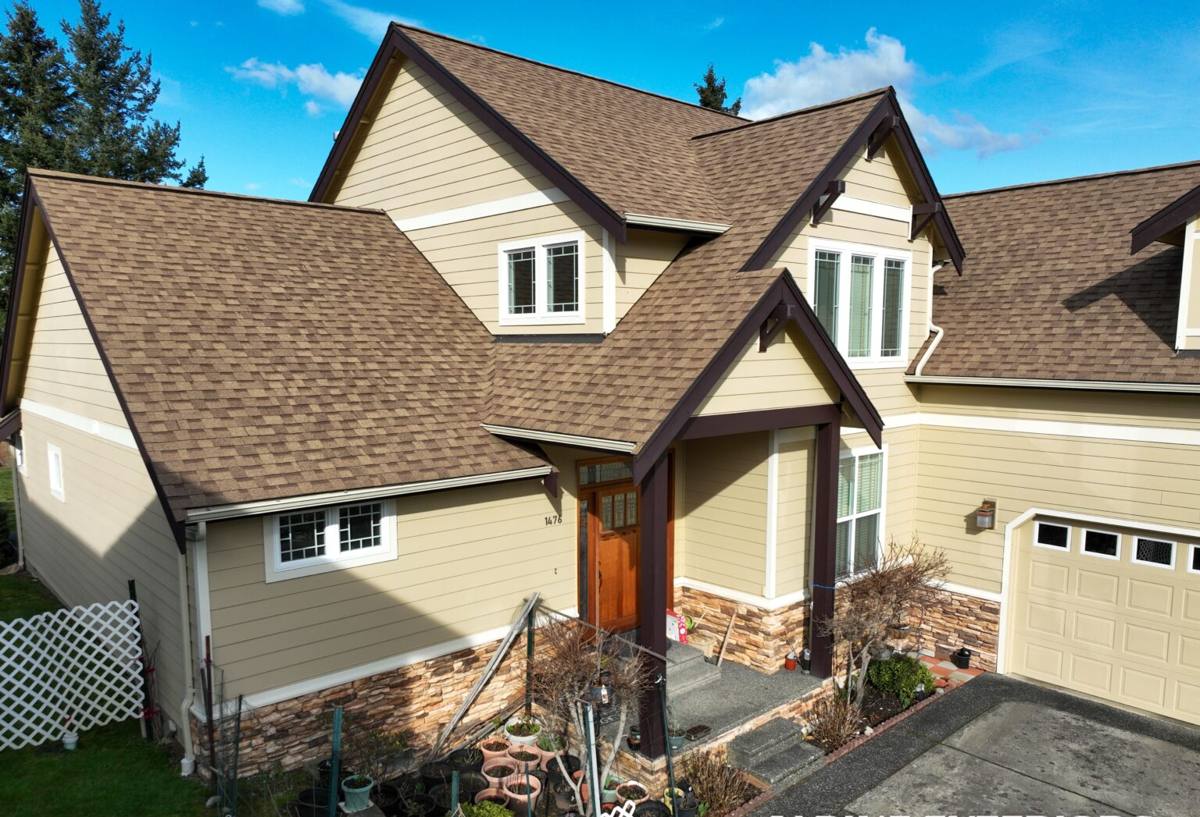
Why Machias Roofs Take This Kind of Damage
A few things stack up against roofs in this part of Snohomish, and understanding them is the difference between a repair that lasts and one that reopens the same leak next winter.
Salt Air and Moisture Load
Even well inland from Puget Sound, damp marine air moves through the Snohomish River valley and settles in low-lying, tree-shaded neighborhoods like Machias. That moisture doesn't evaporate off the roof quickly under a tree canopy, which accelerates corrosion on exposed fasteners, flashing, and metal drip edge, and keeps organic debris wet long enough to start growing moss and algae.
Driving Rain and Wind-Driven Water
Pacific storm systems that come through Snohomish County typically bring rain at an angle, not straight down. That matters because a roof can shed vertical rain just fine while still leaking badly under wind-driven rain, which pushes water sideways and upward under shingle tabs, around chimney flashing, and into any nail pop or lifted seam that a calm-weather inspection would miss.
A Long Moss Season
Between the shade from mature trees and the extended damp season, moss and moss-related granule loss are some of the most common storm-adjacent issues we find on Machias roofs. Moss itself doesn't just sit there — it holds water against the roofing surface, lifts shingle edges as it grows, and turns a minor storm impact into a much bigger leak once water has a path in.
What "Storm Damage" Actually Looks Like Up Close
Homeowners often call us after obvious damage — a branch through the roof deck, missing shingles after a windstorm, or an active leak during a heavy rain event. But a lot of real storm damage is quieter than that, and it's often the damage that gets missed by a quick look from the ground.
- Lifted or creased shingle tabs from wind uplift, even where nothing blew off
- Granule loss and bruising from wind-blown debris or hail-sized impact
- Flashing pulled away from chimneys, dormers, or sidewalls
- Fascia and gutter damage that lets water track back under the roof edge
- Nail pops and sealant failure around vents and pipe boots
- Moss-lifted shingle edges that only leak once wind pushes rain uphill under them
- Deck-level moisture or soft spots that show up only from the attic side
That last one matters most. A shingle can look fine from the driveway and still be sitting over a soaked, weakening deck. That's why we don't stop at a surface look when we're assessing storm damage.
Our Storm Damage Repair Process
Every storm repair we do in the Machias area follows the same basic sequence, whether it's a small patch job or a larger section of roof.
1. On-Site Assessment, Roof and Attic
We inspect the affected area from the roof surface and, whenever it's accessible, from inside the attic. Water stains, dark decking, or insulation compression tell us more about how far a leak has actually traveled than what we can see from outside.
2. Honest Scope — Repair vs. Larger Work
Most storm damage is a legitimate repair: replacing a section of shingles, resetting flashing, or rebuilding a small area of decking. We'll tell you plainly if what we're looking at is beyond a spot repair — for example, if moss and moisture have compromised a wider section of the roof — rather than patching over a problem that will resurface.
3. Matching the Repair to the Rest of the Roof
We match shingle type, color, and exposure as closely as the market allows so a repair doesn't stand out as an obvious patch. Where an exact match isn't available, we'll tell you that up front rather than promise something we can't deliver.
4. Rebuilding the Water Path, Not Just the Surface
A correct storm repair addresses underlayment, flashing, and drip edge in the affected area — not just the visible shingles. Replacing shingles over compromised flashing or a soft deck section just delays the next leak.
5. Moss and Debris Cleanup Where It Contributed to the Damage
If moss or accumulated debris played a role in the failure, we'll clear it from the repaired area and talk through simple ways to slow it from coming back, given how much tree cover the property has.
Repair vs. Replacement: How We Help You Decide
| Factor | Usually points to repair | Usually points to replacement |
|---|---|---|
| Extent of damage | Isolated to one section or slope | Damage spread across multiple areas or slopes |
| Roof age | Well within expected lifespan | Already near or past typical service life |
| Deck condition | Solid, dry decking under the damage | Soft or rotted decking found on inspection |
| Moss/moisture history | First real issue on an otherwise sound roof | Recurring moss, leaks, or granule loss over multiple seasons |
| Material availability | Reasonably close match available | Discontinued or significantly mismatched material |
We'll walk you through where your roof lands on this before recommending anything — our goal is the right scope of work, not the biggest invoice.
What Correct Storm Damage Repair Involves
Not every repair is done the same way, and shortcuts here are exactly what cause a "fixed" roof to leak again in the next storm. A repair we stand behind includes:
- Removing damaged shingles back to sound, undamaged material — not just covering over the visible break
- Checking and replacing underlayment in the repaired section, since a torn or saturated underlayment defeats the point of new shingles above it
- Re-securing or replacing flashing at any penetration or transition within the repair area
- Confirming the roof deck is dry and structurally sound before any new material goes down
- Proper nailing pattern and sealing appropriate for our wind and rain exposure, not just what's fastest
- A final check for anything storm-related nearby that hasn't failed yet but is showing early wear
Why Hiring a Crew That Already Works Machias Matters
Storm repair work rewards local familiarity in a few concrete ways. We already know how tree cover and shade patterns in this part of Snohomish affect how long a roof stays damp after a storm, which shapes how we sequence a repair and what we flag as a risk for future moss growth. We're not guessing at typical roof ages or common shingle types for homes in this area, which speeds up getting a matching material. And because we're local, we can respond quickly when a storm has left a roof exposed and time matters — a tarped, unrepaired roof in a wet stretch of weather is its own kind of risk.
What to Do Right After Storm Damage
If you've got visible or suspected storm damage, a few simple steps protect your home until a proper repair happens:
- Photograph visible damage from the ground if it's safe to do so — do not get on the roof yourself
- Check the attic or top-floor ceilings for any new staining, dampness, or dripping
- Cover any active leak point from the inside with a container or plastic sheeting to limit interior damage
- Avoid DIY roof patches, which can trap moisture or void the workmanship on a later professional repair
- Call for an assessment promptly — small storm damage left through another rain event tends to get worse, not stay the same
Get an Honest Look Before the Next Storm
If a recent storm has left your Machias-area roof with missing shingles, a new leak, or damage you're not sure how to size up, we're glad to take a look. We'll give you a straightforward read on what happened, what it takes to repair it correctly for our climate, and whether a repair or something larger makes sense — no pressure either way. Use the form below to request a free estimate.