 Snohomish
 Everett's Climate Is Harder on Siding Than It Looks
Everett sits where the Puget Sound lowlands meet the water, and that location shapes everything about how a home's exterior ages here. Homeowners moving in from drier climates are often surprised at how much work the siding, trim, and roof have to do in this part of Snohomish County. It isn't one dramatic weather event that causes problems — it's the steady, year-round combination of moisture, mild salt-laden air off the Sound, and long stretches of shade and dampness that never quite dry out between rains.
A house near the water deals with a slightly different aging process than one further inland. Salt-tinged air accelerates corrosion on fasteners, flashing, and any exposed metal components. Combined with near-constant humidity for much of the year, that's a tough environment for exterior materials that weren't built with coastal conditions in mind.
Rain, Humidity, and the Moss Problem
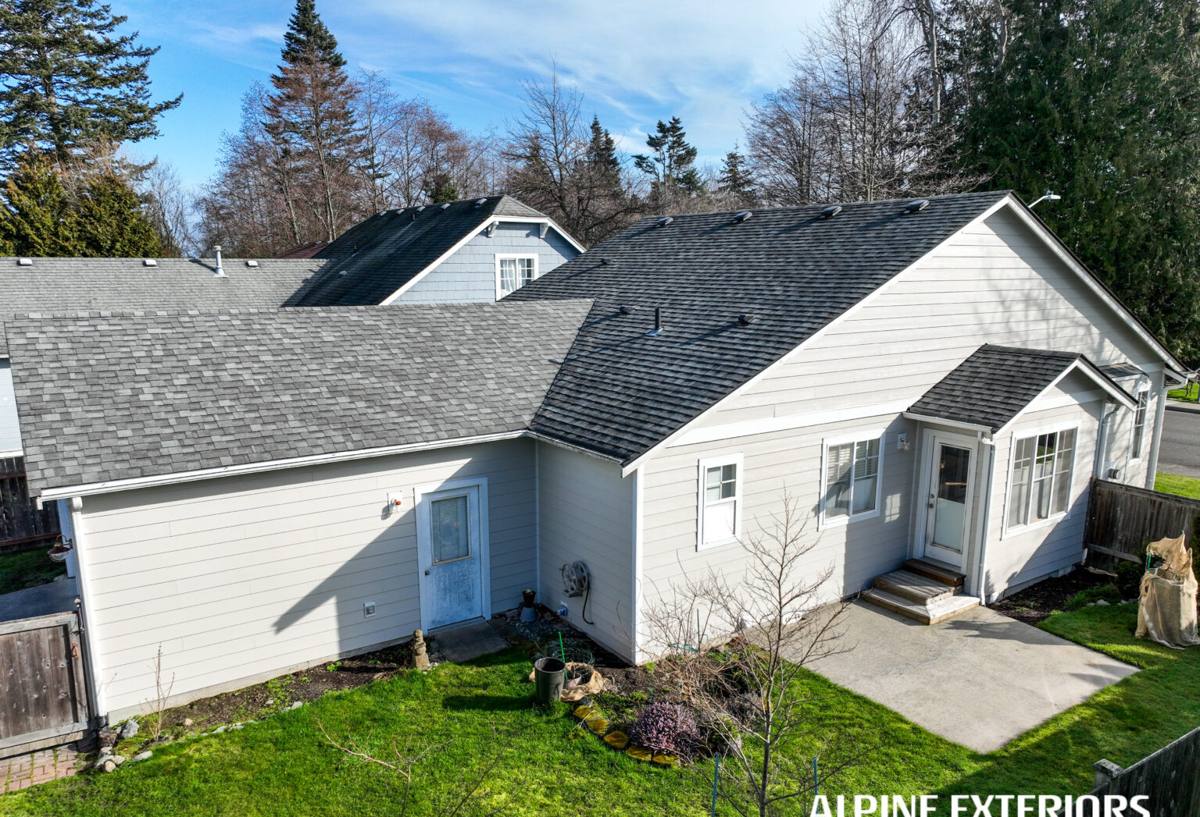
Western Washington's rainy season is long, and Everett gets its share of it. What matters for siding isn't just total rainfall — it's how often surfaces stay wet and how slowly they dry, especially on north-facing walls, under eaves, and in yards shaded by mature trees. Those conditions are exactly what moss, algae, and mildew need to establish themselves on siding, trim, and roofing.
Once moss and algae get a foothold, they hold moisture directly against the siding surface. On materials that absorb water or swell when wet, that constant dampness accelerates rot, delamination, and paint failure. On materials that don't absorb moisture, it's more of a cosmetic and cleaning issue — still worth addressing, but not a structural threat.
Why This Matters for Material Choice
This is the core reason material selection matters more here than in a drier climate. A siding product that performs fine in Eastern Washington or the Southwest can struggle in a marine environment with this much sustained moisture exposure. We factor Everett's specific conditions — humidity, shade patterns, and proximity to the Sound — into every recommendation we make.
Why We Install Only James Hardie Fiber Cement Siding
We made a deliberate decision as a company to install James Hardie fiber cement siding exclusively. We don't install vinyl, LP SmartSide, cedar, or primed spruce siding, and that's not a marketing position — it's a standard we hold because of what we've seen materials do in exactly the climate Everett homes sit in.
Fiber cement is non-combustible and dimensionally stable, meaning it doesn't expand, contract, warp, or rot the way wood-based products can when they take on repeated moisture. James Hardie's HZ5 product line is specifically engineered for climates like the Pacific Northwest, with a formulation designed to hold up to prolonged damp exposure. The ColorPlus factory-applied finish is baked on under controlled conditions, which gives it better resistance to fading and moisture intrusion at the surface than field-applied paint, and it carries a real, transferable warranty backing that performance.
None of this means other products are without merit — vinyl is affordable and low-maintenance in the right setting, and cedar has a look some homeowners genuinely prefer. But for the specific mix of rain, humidity, and salt air that Everett homes face year after year, we've found fiber cement to be the material that holds its integrity and appearance the longest with the least amount of homeowner upkeep.
Comparing Siding Materials for a Marine Climate
| Material | Moisture Resistance | Maintenance | Typical Lifespan |
|---|---|---|---|
| James Hardie Fiber Cement | Excellent — non-combustible, engineered for damp climates | Low — factory finish, occasional washing | 30+ years with correct install |
| Vinyl | Good surface resistance, can trap moisture behind panels | Low, but prone to cracking/warping in temperature swings | 20-30 years |
| Cedar / Wood | Absorbs moisture, needs sealing and repainting | High — regular staining, sealing, moss treatment | 15-25 years with diligent upkeep |
| LP SmartSide (engineered wood) | Moderate — vulnerable at cut edges and seams if not sealed properly | Moderate — caulk and paint maintenance schedule matters | 20-30 years with strict maintenance |
What Our Siding Services Look Like in Everett
Every project starts with an honest look at the current exterior — what's failing, what's salvageable, and what the underlying sheathing and moisture barrier look like once old siding comes off. In a climate like this, what's happening behind the siding often matters as much as the siding itself.
Full Siding Replacement
For homes with siding that's rotted, delaminating, or simply at the end of its service life, we remove the old material, inspect and repair sheathing as needed, install a proper weather-resistive barrier, and put up James Hardie fiber cement panels or lap siding to spec. Flashing details around windows, doors, and roof intersections get particular attention — these are the spots where water intrusion typically starts.
Repairs and Partial Replacement
Not every home needs a full tear-off. Localized rot, storm damage, or failed sections can sometimes be repaired or replaced in place, provided the rest of the siding system is sound. We'll always give you a straight answer about whether a repair makes sense or whether it's a shorter-term fix on a longer-term problem.
Trim and Detail Work
Trim boards, corner posts, and fascia see some of the heaviest moisture exposure on a house. We use Hardie trim products alongside the siding so the whole exterior system is built from materials with matching moisture performance, rather than mixing a durable siding with trim that will fail first.
Beyond Siding: Roofing, Windows, and Decks
Siding doesn't work in isolation — it's one part of an exterior envelope that has to work together to keep water out. We also handle roofing, window replacement, and decking, which matters in a climate where the roof, the siding, and the flashing between them all have to be coordinated to shed water correctly.
- Roofing: A roof that's shedding granules, growing moss, or has failed flashing sends water down onto siding it was never meant to handle — addressing both together often prevents repeat problems.
- Windows: Old or poorly flashed windows are a common source of hidden water intrusion behind otherwise good siding. Replacement windows installed correctly protect the siding investment around them.
- Decks: Outdoor living spaces in Everett take the same rain and moss exposure as the house itself, and ledger board connections in particular need careful flashing to avoid feeding moisture into the home's structure.
What to Expect From a Project With Us
- An on-site walkthrough where we assess your current siding, trim, and any related roofing or window concerns.
- A clear explanation of what we find, including any moisture damage discovered once old material is removed.
- A written estimate using James Hardie products suited to your home's exposure and style.
- A scheduled installation with attention to flashing, weather barriers, and manufacturer-spec fastening.
- A final walkthrough so you understand the warranty coverage and any care recommendations.
Why a Local Crew Matters Here
Everett's neighborhoods vary — some homes sit close to the water and catch more salt-laden wind, others are tucked under tree canopy where shade keeps siding damp longer between rains, and some are more exposed to open weather. A crew that works in Snohomish County regularly recognizes these differences on sight and adjusts details like flashing, ventilation gaps, and moisture barrier choices accordingly. That local familiarity is hard to replace with a general contractor passing through from out of the area.
What to Look for When Hiring a Siding Contractor Locally
- Washington state contractor licensing and current bonding/insurance
- Manufacturer training or certification on the specific siding product being installed
- A written scope of work detailing flashing, house wrap, and fastening methods — not just "new siding"
- Willingness to explain what they find once old siding is removed, rather than covering issues up
- A real physical presence in the region, not just a lead-generation website
- A warranty that's explained clearly, including what's covered by the manufacturer versus the installer
Planning Ahead for an Everett Exterior Project
Timing matters in a climate this wet. Siding and roofing work generally goes smoother in drier stretches of the year, though exterior projects can be planned and scheduled year-round with the right preparation. If you're noticing soft spots, peeling paint, visible moss buildup, or siding that's cupping or separating at the seams, those are signs worth having looked at before they turn into a larger repair behind the wall.
If you're in Everett and thinking about siding, roofing, windows, or a deck, we're happy to walk your property, give you a straight assessment, and put together a free, no-pressure estimate.