 Snohomish
 Why Two Similar-Looking Bids Can Be Far Apart
Ask three contractors to quote the same house in Snohomish and you'll often get three different numbers — sometimes wildly different. That's not because someone is padding the bill or someone else is lowballing to win the job (though both happen). Siding replacement pricing is driven by a handful of specific, knowable factors, and once you understand them, you can look at a bid and tell whether it actually reflects the condition of your home or was written on a napkin.
This page walks through what actually moves the number on a real Snohomish job — not national averages, not a price list, but the variables that matter here in our climate and on our housing stock.
Home Size, Shape, and Story Count
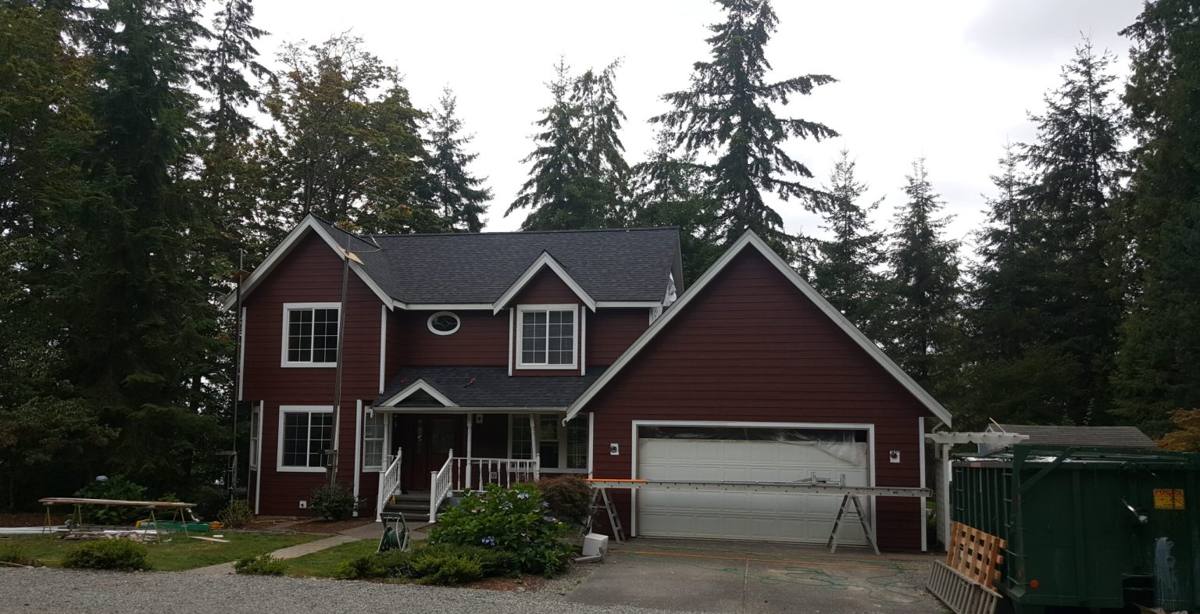
Square footage is the obvious starting point, but it's not the whole story. A simple rectangular ranch with a low-pitch roof is straightforward to strip and re-side. A two-story home with dormers, bump-outs, multiple gables, and a steep roofline takes longer to scaffold, longer to cut around, and longer to flash correctly — even at the same total square footage.
What adds time regardless of size
- Second-story and third-story work requiring staging or lift rental
- Homes with a lot of exterior corners, offsets, or roof intersections
- Limited access — narrow side yards, fences, steep lots common in parts of Snohomish's older neighborhoods
Tear-Off vs. Overlay — and What's Underneath
Some contractors will install new siding directly over old siding or sheathing. We don't recommend it, and it's rarely a good idea in this climate. A full tear-off costs more up front because it's more labor, but it's the only way to actually see — and fix — what's happening behind the old siding: soft sheathing, missing or failed house wrap, rot around window and door openings, or insulation that's been wet for years without anyone knowing.
This is the single biggest source of "surprise" costs in siding jobs. A bid written without a tear-off, or without at least selectively opening up known problem areas, is a bid based on a guess. Once the old siding comes off, the actual condition of the wall determines whether the job stays on budget or needs a change order for sheathing repair, flashing correction, or rot remediation.
Material Choice
We install James Hardie fiber cement exclusively, so we'll be upfront about why — but the honest answer is that material choice affects cost in more than one direction. It's not just the price per square foot installed; it's what you're signing up to pay over the next 20-30 years in maintenance, repainting, and repair.
| Material | Typical Install Cost Tendency | Ongoing Maintenance | Moisture Behavior |
|---|---|---|---|
| Vinyl | Lower | Low, but cracks/fades over time and can't be repainted easily | Doesn't rot itself, but traps moisture behind it if installed poorly |
| LP SmartSide (engineered wood) | Moderate | Needs caulking and repainting on a regular cycle | Wood-based; edges and cut ends are vulnerable if not sealed and maintained |
| Cedar | Higher | Regular refinishing/staining required to hold up | Natural wood; performs well only with consistent upkeep |
| James Hardie fiber cement | Moderate to higher | Low — factory ColorPlus finish holds color without repainting on the manufacturer's schedule | Non-combustible, engineered for wet climates; dimensionally stable |
We don't install LP SmartSide, vinyl, Cemplank, Allura, or unfinished cedar or spruce products, not because they can't be installed correctly, but because we've made a standard for our own crews: we want to hand a homeowner something that holds its finish, resists moisture intrusion at the cut edges, and carries a strong transferable warranty without asking them to commit to a maintenance schedule to keep it looking right. James Hardie's HZ5 product line is engineered for climates like ours — freeze-thaw cycles, sustained damp, and salt-influenced air near the water.
Trim, Detail Work, and Architectural Character
Corner boards, window and door trim, frieze boards, fascia, and any custom detailing add real labor hours that a flat "per square foot" number won't capture. A home with simple trim is fast. A home with a lot of architectural character — the kind you see on a lot of the older homes near downtown Snohomish — takes a lot more precision cutting and fitting, and that shows up in the bid.
Where detail work adds cost
Every outside corner, every window return, every transition between siding and a different material (stone veneer, a porch column, a chimney chase) is a place where the installer has to stop, measure, cut, and flash correctly. More transitions means more time, and it also means more places where a rushed installer can leave a gap that lets water in later.
Moisture Damage and the Real Cost of Our Weather
Snohomish sits in a part of Western Washington that gets a long wet season, driving rain off the water, salt-influenced air, and a moss season that runs a good chunk of the year on north-facing walls and anything shaded by trees. None of that is dramatic on its own, but over years it's exactly the kind of steady exposure that finds every weak point in a siding system — a poorly flashed window, a caulk joint that was never maintained, house wrap that was installed with the laps running the wrong way.
When we tear off old siding on a Snohomish job, hidden moisture damage is one of the most common things we find, and it's almost never visible from the outside beforehand. This is part of why we push for a full tear-off rather than an overlay: it's the only way to price the job on what's actually there instead of what might be hiding underneath.
Labor and Installation Standards
Fiber cement is a forgiving material in terms of longevity, but it is not forgiving of poor installation. Hardie's own warranty terms are tied to installation following their specifications — proper fastening, clearances, flashing, and joint treatment. A crew that cuts corners on any of that can turn a 30-year product into a 10-year problem, and the homeowner won't know until water starts showing up somewhere it shouldn't.
This is a real cost factor, even though it doesn't show up as a line item. Paying for a crew that installs to manufacturer spec — correct starter strips, proper fastener placement, correctly lapped and sealed joints, factory-mitered or properly caulked corners — costs more than paying for speed. It's also the difference between a warranty that actually holds up if something goes wrong and one that's void the day an inspector looks closely.
Warranty and Long-Term Value
It's worth thinking about siding cost per year of service, not just cost per square foot installed. A cheaper material that needs repainting every 5-8 years, or that starts showing wear at year 12, isn't actually cheaper once you account for what you'll spend maintaining it. James Hardie's ColorPlus finish is backed by a strong factory finish warranty, and the substrate itself carries a long transferable product warranty — transferable matters if you sell the home, since it's a real selling point for the next buyer.
What to Ask For When Comparing Quotes
A good bid tells you exactly what's included. A vague one leaves room for change orders later. Before you compare numbers side by side, make sure each quote actually answers the same questions.
- Does the bid include a full tear-off, or is it an overlay?
- Is sheathing repair or replacement included, or is it a separate allowance?
- What house wrap or weather barrier product is being used, and is it included in the price?
- Is trim, flashing, and window/door detail work itemized or bundled?
- What's the manufacturer's warranty, and does the installer's workmanship warranty stack on top of it?
- Who pulls the permit, and is that cost included?
If a bid doesn't answer these clearly, ask before you sign — not after the tear-off starts and the change orders begin.
Getting a Number You Can Actually Trust
The honest truth is that no contractor can give you an exact, guaranteed final price without seeing your home in person. Wall condition, trim complexity, access, and what's hiding under the existing siding all matter too much to price from photos or a phone call alone. What we can do is walk the property, be straight with you about what we see, and explain exactly what's driving the number on our estimate — no inflated scope, no mystery allowances.
If you're weighing a siding replacement in Snohomish and want a clear, no-pressure look at what your specific home would involve, we're happy to come take a look and put together a straightforward estimate. There's a form below to get that started.