 Snohomish
 Siding Work for Edmonds Homes, Built Around Puget Sound Weather
Edmonds sits right on Puget Sound in Snohomish County, and that waterfront location shapes almost everything about how a home's exterior ages here. Homes closer to the bluff and the ferry corridor take on salt-laden air and wind-driven rain that push moisture into siding joints and fastener points most inland neighborhoods never have to deal with. Add in the shaded, tree-lined streets common throughout Edmonds' older residential blocks, and you get long stretches of the year where surfaces simply don't dry out between storms. That combination — salt air, driving rain, and a moss season that can run from fall through spring — is exactly the kind of environment that separates siding installed correctly from siding installed to look good on move-in day.
We work on homes throughout the Snohomish and greater Puget Sound area, and Edmonds is a community where the difference shows up fast. A wall assembly with a weak drainage plane or a sloppy caulk job might hold up fine in a drier climate for a decade. Here, the same shortcuts can mean soft trim, staining, or panel failure in a fraction of that time.
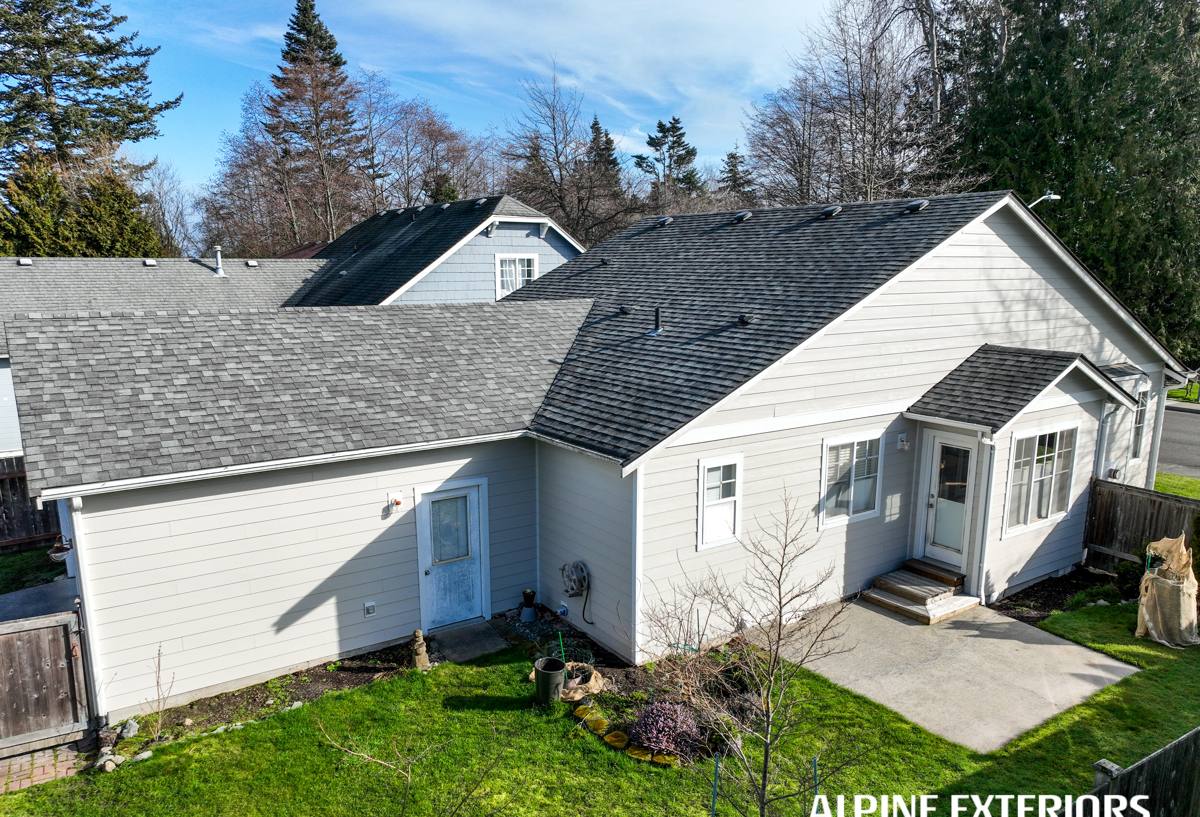
What Marine Exposure Actually Does to a House
Salt Air and Corrosion
Airborne salt doesn't just affect homes with a direct water view. It travels on the wind and settles on siding, trim, fasteners, and flashing throughout the area. Over years, it accelerates corrosion on unprotected metal fasteners and can degrade lower-grade coatings faster than the manufacturer's published fade or chalk ratings assume. Fastener choice and flashing details matter more here than in a typical inland install.
Driving Rain and Wind-Driven Moisture
Rain that falls straight down is relatively easy to shed. Rain that's being pushed sideways by wind off the Sound finds its way into laps, seams, and penetrations that a calm-weather installation might never test. This is why proper overlap, flashing at every window and door, and a correctly installed water-resistive barrier behind the siding matter as much as the siding material itself.
Moss, Shade, and Slow Drying
Many Edmonds lots have mature tree cover, which is part of the neighborhood's character but also means north-facing walls and shaded siding runs can stay damp far longer after a storm than a wall in full sun. That extended dampness is what moss and mildew need to take hold. On the wrong material, or with the wrong finish, that moisture cycle turns into long-term maintenance headaches — repainting, scrubbing, or replacing sections that never got the chance to dry properly.
Why We Standardized on James Hardie Fiber Cement
We install James Hardie fiber cement siding exclusively. We don't install vinyl, LP SmartSide, Cemplank, Allura, or primed wood species like spruce or cedar, and we're upfront about why. Every one of those products has a legitimate use case somewhere, but for the specific combination of moisture exposure, salt air, and shaded, slow-drying conditions common in and around Edmonds, they each carry trade-offs we're not willing to build a reputation on.
- Vinyl can warp or become brittle over time and relies on the same thin coloring throughout the panel, so scratches and fading show clearly, and it isn't rated for the fire-resistance performance fiber cement offers.
- LP SmartSide and other engineered wood products are wood-based, which means they're more sensitive to sustained moisture exposure than fiber cement, and edge sealing has to be done exactly right at every cut and joint to protect the long-term warranty.
- Primed wood species like cedar or spruce look great fresh off the truck but demand a repainting and caulking schedule most homeowners underestimate, especially on shaded, damp walls where paint failure shows up earliest.
James Hardie fiber cement is cement, sand, and cellulose fibers — it doesn't rot, it's non-combustible, and it holds paint and factory finish far longer than wood-based alternatives in a marine climate. Hardie's ColorPlus factory-baked finish is engineered to resist fading and chipping better than field-applied paint, and their HZ5 product line is specifically formulated for the kind of freeze-thaw and moisture cycling the Pacific Northwest delivers. For a house exposed to Puget Sound weather, that's the material we're comfortable standing behind.
What Correct Installation Looks Like Here
The siding material is only half the equation. In a climate like Edmonds', installation details determine whether a wall stays dry or slowly fails underneath a perfectly good product. Our process for Edmonds homes includes:
- A correctly lapped, continuous water-resistive barrier behind every course of siding
- Proper flashing integration at all windows, doors, and roof-to-wall intersections
- Rain-screen or drainage gap detailing on exposures that see the most wind-driven moisture
- Corrosion-resistant fasteners appropriate for salt-air exposure
- Manufacturer-specified nailing patterns and clearances, including ground and roof clearance, so the bottom edge of the siding isn't sitting in standing moisture
- Factory-cut and factory-primed edges wherever possible to limit field cutting and exposed raw material
None of this is exotic. It's simply what the manufacturer's installation guide calls for, done consistently, on every wall, not just the ones that are easy to reach.
Roofing, Windows, and Decks: The Rest of the Envelope
Siding doesn't work in isolation. A roof with failing flashing, an aging window that's lost its seal, or a deck ledger board that's trapping moisture against the house can undermine even a perfect siding installation. We handle roofing, windows, and decks alongside siding for exactly this reason — a home's exterior is one connected system, and the transitions between materials are where most water problems actually start.
For Edmonds homes specifically, that means paying close attention to roof-to-wall step flashing (a common weak point under moss and needle debris), window flashing integration when siding is replaced around existing windows, and deck attachment points where a ledger board meets siding — a detail that, done wrong, is one of the more common sources of hidden rot we find on older Puget Sound homes.
Why a Local Crew Matters
A crew that works this region regularly knows which walls in a given neighborhood take the worst weather exposure, how local permitting and inspection processes run, and what a shaded, damp Edmonds lot needs that a sunnier inland job doesn't. That local familiarity shows up in the small decisions — where to add extra flashing, which walls need a drainage gap, how tight to run a maintenance schedule — that don't show up on a spec sheet but matter over the life of the siding.
Cost Factors for an Edmonds Siding Project
Every home is different, and a firm number only comes from an on-site look at your walls, trim, and existing conditions. In general, the factors that move the price on a project like this are:
| Factor | Why It Matters |
|---|---|
| Home size and wall complexity | More corners, gables, and dormers mean more cutting, flashing, and labor time |
| Existing siding removal | Tear-off and disposal of old material adds time versus a straightforward re-side |
| Underlying wall condition | Rot or moisture damage found once old siding is off may need repair before new siding goes on |
| Siding profile and finish | Lap width, board-and-batten, and shingle-style Hardie products vary in material and labor cost |
| Trim and accessory work | Window and door trim, fascia, and soffit work often gets bundled into a siding project |
| Coordinated roofing, window, or deck work | Bundling exterior projects can reduce total mobilization and access costs |
Signs an Edmonds Home May Need Exterior Attention
Because of the moisture and shade patterns common here, some warning signs show up earlier than homeowners expect. Worth checking for:
- Persistent moss or dark streaking on north- or west-facing walls that doesn't wash off easily
- Soft or spongy siding near ground level, corners, or window trim
- Paint that's peeling or bubbling rather than just fading evenly
- Visible gaps or separation at siding joints and around window and door trim
- Rust staining below fasteners or trim pieces
- Musty smells or interior wall staining near exterior walls, which can indicate moisture getting through
None of these guarantee a full re-side is needed, but they're the kind of thing worth having a professional look at before they turn into a bigger repair.
What to Expect Working With Us
We walk every Edmonds property in person before quoting anything, because wall exposure, shade patterns, and existing condition vary house to house even on the same street. From there, we'll explain what we see, what we'd recommend, and why — including the trade-offs of any product we don't install, if that comes up. Our goal is a straightforward conversation about your home's specific exposure, not a sales pitch.
If you're in Edmonds or elsewhere in the greater Snohomish County area and thinking about siding, roofing, windows, or a deck, we're happy to take a look and put together a free, no-pressure estimate. There's no obligation — just a clear picture of what your home needs and what it would take to get there.