 Snohomish
 Why Color Choice Matters More Than You Think
Picking a siding color feels like the fun part of a project, and it should be. But on a home that's going to sit through decades of Snohomish weather, color is also an engineering question. The finish on your siding is what stands between the material underneath and years of driving rain, UV exposure, and the damp, shaded conditions that let moss and algae get a foothold on north-facing walls and roof lines. A color that looks great on a sample chip but is applied with a standard field-paint process will fade, chalk, and need recoating on a schedule most homeowners don't expect when they sign off on a siding job. That's the piece of this decision that doesn't show up in a paint fan deck, and it's worth understanding before you pick a swatch.
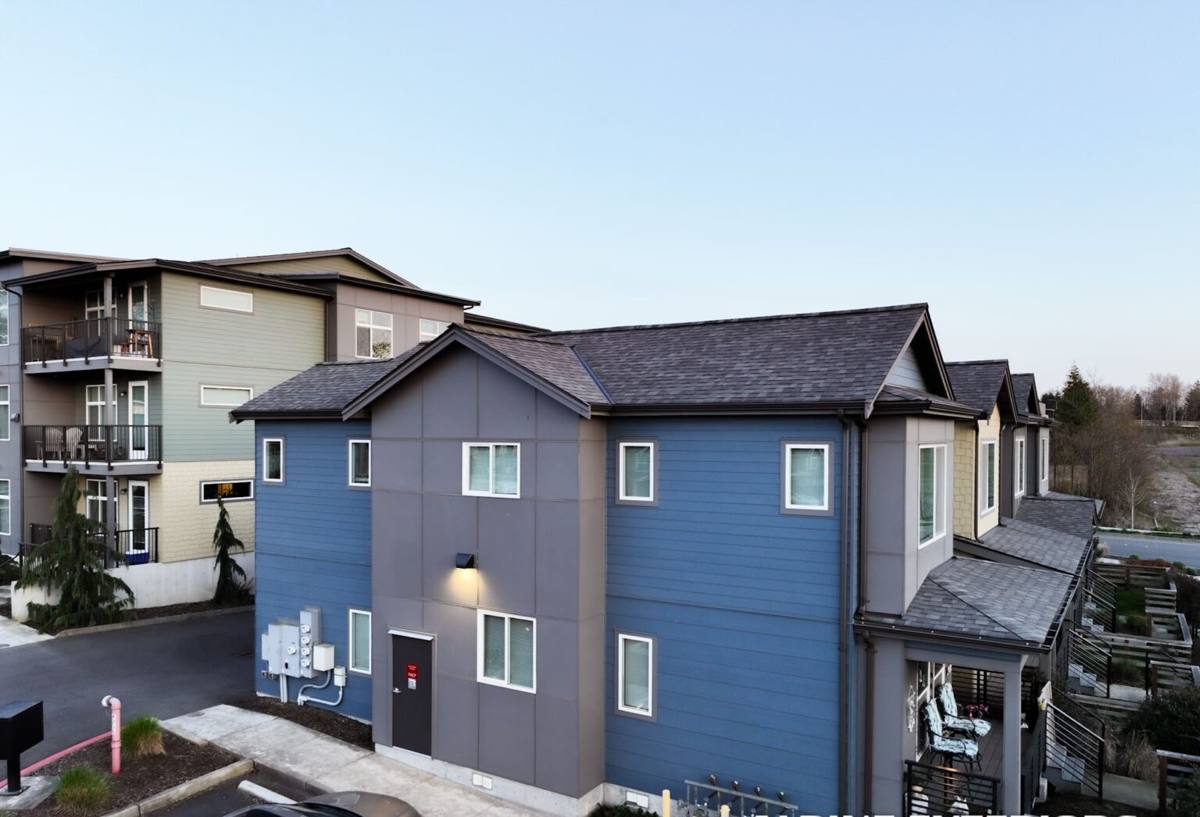
The James Hardie ColorPlus Technology System
James Hardie fiber cement siding is not painted on a job site. The color is baked onto the board in a factory process called ColorPlus Technology, using multiple coats cured under controlled conditions before the boards ever leave the plant. That matters for a few concrete reasons:
- The finish bonds to the fiber cement substrate more evenly than a brush or sprayer can achieve outdoors, on a ladder, in variable weather.
- Factory curing eliminates the wind-blown debris, temperature swings, and moisture exposure that can compromise a field-applied coat before it fully cures.
- Color and sheen are consistent board to board, which matters on a full elevation where mismatched batches would be obvious.
How ColorPlus Differs from Field-Painted Siding
Field-painted siding — whether it's primed fiber cement, primed spruce trim, or a repaint of existing siding — depends entirely on the conditions the day it's applied and the skill of the crew doing it. In Snohomish, that often means painting during a narrow dry window between rain systems, which is exactly when a lot of shortcuts happen. ColorPlus siding arrives with its finish already complete, so the installation crew's job is to cut, fasten, and seal it correctly — not to also be responsible for how well a topcoat cures on your specific wall in your specific weather that week.
The Color Collections
James Hardie organizes its ColorPlus palette into a few practical tiers, and understanding the difference helps you budget and plan realistically.
HardiePlank Statement Collection
This is the core, most widely available palette — a range of standard shades from crisp whites and warm neutrals to deeper grays and blues that cover the vast majority of homes we work on. These colors are stocked more consistently and typically have the shortest lead times.
Dream Collection
A curated set of designer-forward shades — richer greens, deeper charcoals, and bolder statement colors — aimed at homeowners who want their home to stand out rather than blend in. Availability and lead time can run longer than the Statement Collection, which is worth planning around if you're working toward a specific completion date.
Custom or Field-Applied Color
It's possible to special-order unfinished primed Hardie board and have it field-painted in a custom color, or to repaint ColorPlus siding down the road in a different shade. We're upfront with clients that this sacrifices the factory-cure advantage and typically shortens the repaint interval significantly. If a client wants a color outside the ColorPlus range, we'll walk through that trade-off honestly rather than just quoting it and moving on.
Matching Color and Finish to Snohomish's Climate
Snohomish sees a long stretch of the year where surfaces stay damp, shaded areas rarely get a chance to fully dry out, and driving rain off the water finds every gap in a lesser finish. That combination is exactly what accelerates fading, chalking, and moss growth on lower-quality or field-applied coatings. Here's how the finish types generally compare under those conditions:
| Finish Type | Typical Fade Resistance | Moisture/Moss Resilience | Recoat Interval |
|---|---|---|---|
| ColorPlus (factory-baked) | High — consistent multi-coat cure | Strong; finish resists the moisture that feeds algae and moss staining | Often 15+ years before touch-up is needed |
| Field-painted fiber cement | Moderate — depends heavily on application conditions | Variable; incomplete cure in damp weather shortens lifespan | Commonly 7-10 years |
| Standard exterior paint on wood or composite trim | Lower in shaded, damp zones | Weaker; more prone to peeling and moss staining near ground level and eaves | 5-8 years, sometimes sooner in shaded exposures |
None of this means a repaint is a bad option in every case — it's a legitimate way to refresh trim or address wear on an older home. But when we're specifying siding for a new install or full replacement, ColorPlus is the reason we can tell a Snohomish homeowner the color they pick today is realistically the color they'll have for a very long time, without a recoat project interrupting their maintenance plans.
Choosing Colors for Snohomish Neighborhoods
Snohomish has a real mix of housing stock — historic homes near the downtown core, newer construction in the surrounding developments, and everything from craftsman to contemporary farmhouse styles. A few practical notes we give clients:
- Historic and craftsman homes generally read best in warm neutrals, muted greens, or classic whites with a contrasting trim color rather than high-contrast modern palettes.
- Newer construction has more latitude for the deeper Dream Collection shades, especially paired with black or dark bronze window frames.
- Homes with heavy tree cover — common along the river and in older lots — should lean toward colors and sheens that won't visually emphasize the moss and organic staining that shaded siding is naturally more prone to collecting over time, and should budget for periodic gentle washing regardless of color.
- South and west-facing elevations take the most direct sun exposure through the summer months, so fade resistance matters most on those walls specifically.
Trim, Fascia, and Accent Considerations
Most Hardie projects pair HardiePlank lap siding with HardieTrim boards in a coordinating or contrasting ColorPlus finish, and sometimes a HardieShingle accent in a gable or dormer. Keeping trim and field siding on the same factory-finish system avoids the mismatched weathering you get when one material is factory-coated and another is field-painted alongside it.
The Warranty Behind the Color
ColorPlus finishes carry their own dedicated finish warranty, separate from and in addition to the substrate warranty on the fiber cement board itself. That's a meaningful distinction — it means the company that formulated and cured the color is standing behind how that color performs over time, not just the board underneath it. When the siding is installed to manufacturer specification, that warranty is also transferable to a subsequent homeowner within its terms, which is a real selling point if you plan to put the home on the market in the years ahead.
Choosing Your Color: A Practical Checklist
- View large physical samples outdoors, in both direct sun and shade, rather than relying on a screen or a small chip.
- Check current lead times if you're set on a Dream Collection shade, especially if you're working toward a specific timeline.
- Decide on trim and accent colors alongside the field color, not as an afterthought.
- Ask whether the color you want is available in the specific HardiePlank profile and texture you've chosen (smooth vs. cedarmill).
- Confirm in writing which warranty applies to the finish versus the board, and what voids it.
- If you're repainting existing siding rather than replacing it, get a straight answer on realistic recoat intervals for that approach before you commit.
Why We Install James Hardie and Nothing Else
We install James Hardie fiber cement exclusively — not vinyl, not LP SmartSide, not primed spruce or cedar, not other fiber cement brands. Part of that decision comes down to exactly what this page is about: the ColorPlus factory finish gives us a product we can put on a home in Snohomish and tell the owner, honestly, how it will look in fifteen years, not just in the first two summers. Vinyl fades and can't be refinished without full replacement. Field-applied and lower-tier finishes ask homeowners to take on a recoat schedule most people don't plan for. Hardie's combination of a non-combustible substrate, climate-engineered HZ product lines, and a factory finish backed by its own warranty is why we standardized on it — and it's the product we're comfortable putting our own name behind on every job we take on in this area.
If you're weighing color options or just want a straight answer on what a James Hardie install would look like on your home, we're happy to walk through it. Reach out for a free, no-pressure estimate — there's a form right below this page to get started.