 Snohomish
 Windows Built for the Granite Falls Climate
Granite Falls sits at the edge of the foothills east of Snohomish, and that location comes with its own weather pattern. Homes here take on more direct rainfall than lowland areas, sit under tree cover that keeps roofs and siding damp longer after a storm, and go through a long stretch of the year where moss, algae, and general dampness are just part of life. Even though Granite Falls isn't right on the water, the broader Snohomish County climate still brings salt-laden air inland during wind events off the Sound, and it adds to the slow corrosion and seal breakdown that older windows deal with over time.
All of that matters for window replacement because a window isn't just glass in a frame — it's a sealed system that has to keep water out, manage condensation, and hold its shape through decades of wet-dry cycling. In a climate like this, the margin for a sloppy install is much smaller than it would be in a dry region. A window that's slightly out of level or under-flashed might not leak in year one, but by year three or four, moisture finds the gap.
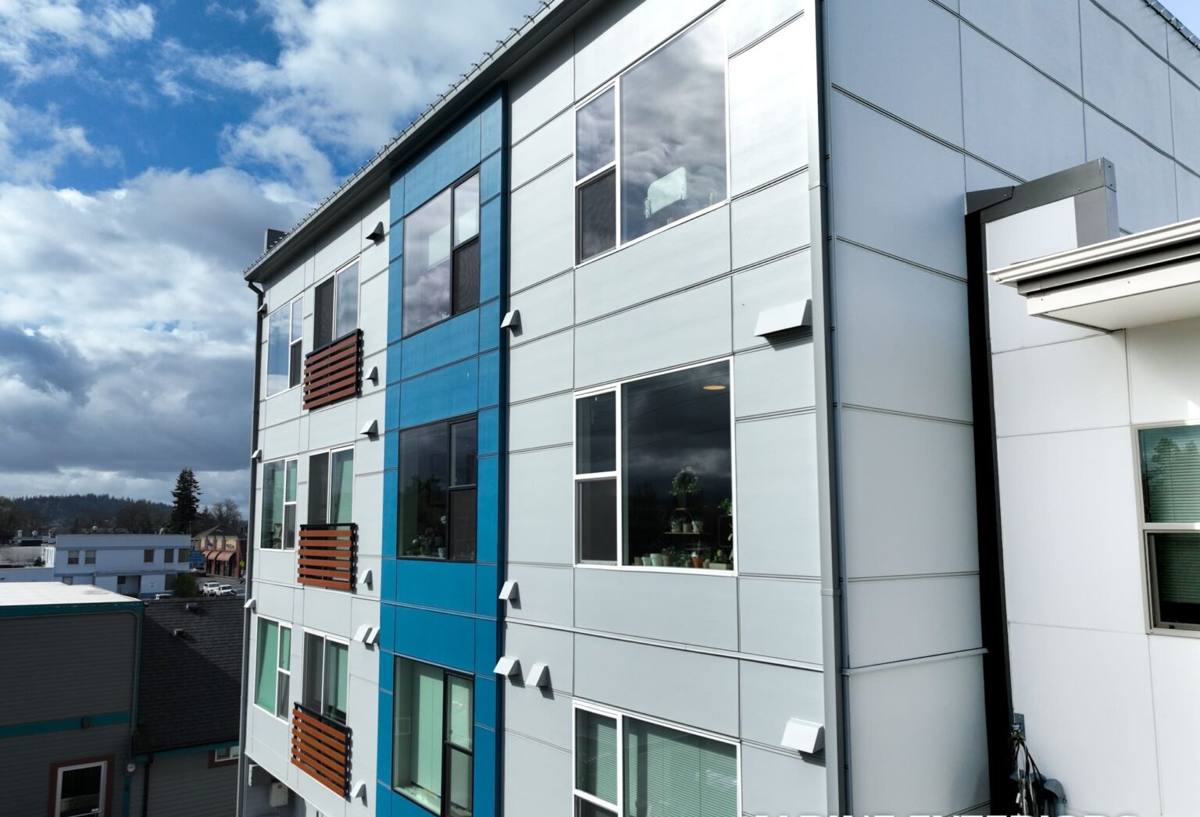
What "Correct" Window Replacement Actually Involves
Replacing a window is more than popping out the old sash and dropping in a new unit. Done correctly, it's a sequence of steps where each one protects the next:
- Removing the old window without tearing out more siding or trim than necessary
- Inspecting the rough opening for rot, soft wood, or old water damage before anything new goes in
- Correcting any framing or sill issues found during that inspection
- Installing house wrap and flashing tape in the right shingle-lap order so water sheds down and out, never in
- Setting the window level, plumb, and square, then securing it per the manufacturer's fastening schedule
- Insulating the gap between the frame and rough opening without overpacking it, which can bow the frame
- Sealing the exterior with the correct sealant and finishing interior and exterior trim
Skipping or rushing any one of these steps is how a window that looks fine on day one ends up with a rotted sill or a mold problem behind the drywall a few years later. This is especially true in a wet climate, where a poor flashing detail doesn't dry out between storms the way it might in a drier region.
Signs a Granite Falls Home Needs New Windows
Homeowners often wait until a window is obviously broken, but there are earlier signs worth acting on:
Moisture and Seal Failure
Fogging or a permanent haze between the panes means the seal on a double-pane unit has failed and the gas fill (or plain air) has been compromised. That window has lost most of its insulating value even if the glass looks intact.
Wood and Frame Condition
Soft, spongy, or discolored wood around the frame or sill is a sign that moisture has been getting in for a while, which is common in older wood-frame windows in areas that see this much rain. Left alone, it spreads into the surrounding wall framing.
Operation and Draft
Windows that are hard to open, won't stay up on their own, or let in a noticeable draft on a windy day have usually shifted out of square or lost their weatherstripping effectiveness. That drives up heating costs and lets more damp air infiltrate.
Comparing Common Window Materials
The material a window is built from affects how it holds up to this kind of climate, how much upkeep it needs, and what it costs. There's no single right answer for every home — it depends on the house, the budget, and how much maintenance a homeowner wants to take on.
| Material | Moisture Performance | Maintenance | Typical Trade-offs |
|---|---|---|---|
| Vinyl | Good — won't rot, low water absorption | Low — occasional cleaning | Budget-friendly, limited color/finish options, can expand/contract with temperature swings |
| Fiberglass | Very good — dimensionally stable, resists warping | Low | Higher upfront cost, strong long-term durability |
| Wood-clad | Depends heavily on install quality and clad condition | Higher — clad and interior wood need monitoring | Classic appearance, more sensitive to moisture intrusion if flashing fails |
| Aluminum | Fair — prone to condensation without thermal breaks | Moderate | Slim sightlines, less common in residential retrofits here due to heat loss |
For most Granite Falls homes dealing with heavy seasonal rain and long damp stretches, vinyl and fiberglass tend to be the more forgiving choices from a moisture-management standpoint. Wood-clad windows can still be the right call for a homeowner who wants that look, but they demand a more careful install and more attention over the years — we're upfront about that trade-off rather than talking anyone out of it.
Our Process, Start to Finish
- On-site assessment — we look at the existing windows, the rough openings, and any signs of water damage before quoting anything.
- Straightforward estimate — a written scope covering materials, labor, and any framing repair we expect to find, so there aren't surprise add-ons mid-job.
- Scheduling around weather — we plan install days with the forecast in mind since an open rough opening shouldn't sit exposed during a storm.
- Removal and inspection — old windows come out carefully, and we check the opening before anything new goes in.
- Install and flashing — windows are set, flashed, and sealed following manufacturer instructions and proper water-shedding sequence.
- Interior and exterior finish work — trim, caulking, and cleanup so the job looks finished, not just functional.
- Walkthrough — we go over the finished work with the homeowner before calling it done.
What Affects the Cost of a Window Replacement
| Factor | Why It Matters |
|---|---|
| Number and size of windows | More openings and larger units mean more material and labor time |
| Material choice | Vinyl, fiberglass, and wood-clad units carry different price points |
| Frame condition | Rotted sills or framing found during removal add repair time before the new window can go in |
| Access and story height | Second-story or hard-to-reach windows take longer and may need extra equipment |
| Style and features | Casement, double-hung, and specialty shapes vary in cost and complexity |
We don't quote a job without seeing it, because the biggest cost swings usually come from what's found once the old window is out, not from the window itself. A broad, honest range is easy to give in a conversation — a number you can actually count on takes a look at the house.
Why a Local Crew Matters for This Kind of Work
Window replacement is one of those projects where local experience actually changes the outcome. A crew that regularly works Granite Falls and the surrounding Snohomish County area already knows how this region's rain patterns, tree cover, and moss season interact with a home's exterior. That shows up in small decisions — how much flashing overlap to use, which sealants hold up through a wet winter, when to flag a framing issue instead of just covering it up.
It also matters for accountability. A crew based in the area is going to be around next season if a question comes up, and has a reputation in the community worth protecting. That's a different relationship than a crew passing through from out of the area for a one-off job.
Before You Hire: A Practical Checklist
- Ask whether they inspect the rough opening for rot or water damage before installing, not just after
- Ask what flashing method and sequence they use, and why
- Get the estimate in writing, including what happens if framing repair is needed
- Confirm who handles the manufacturer's warranty paperwork and registration
- Ask how they schedule around weather during an active install
- Check that cleanup and haul-away of old windows is included
A contractor who answers these plainly, without dodging, is usually one who does this kind of work correctly and often.
Keeping New Windows Performing Long-Term
Once new windows are in, a little seasonal attention goes a long way in this climate. Clearing debris from tracks and weep holes keeps water draining properly instead of pooling. Rinsing pollen, moss spores, and grime off the exterior a couple times a year — especially after the wetter months — keeps finishes looking good and prevents buildup from holding moisture against the frame. Checking exterior caulking annually and touching it up before it fails is far cheaper than dealing with water intrusion later. None of this is heavy maintenance, but skipping it in a climate that stays damp this much of the year shortens the life of even a well-installed window.
If you're weighing whether it's time to replace windows on a Granite Falls home, we're glad to take a look and give you a straightforward, no-pressure estimate — just fill out the form below.