 Snohomish
 Why Woodinville Homes Need Windows Built for This Climate
Woodinville sits in the same wet, marine-influenced weather pattern that defines western Washington living: long stretches of driving rain in the fall and winter, humid air moving in off the water, and a moss season that seems to start earlier every year. Windows here don't fail because homeowners neglect them — they fail because they were never matched to the climate in the first place. A window that performs fine in a dry inland state will start showing seal failure, frame rot, or fogged glass within a handful of years out here.
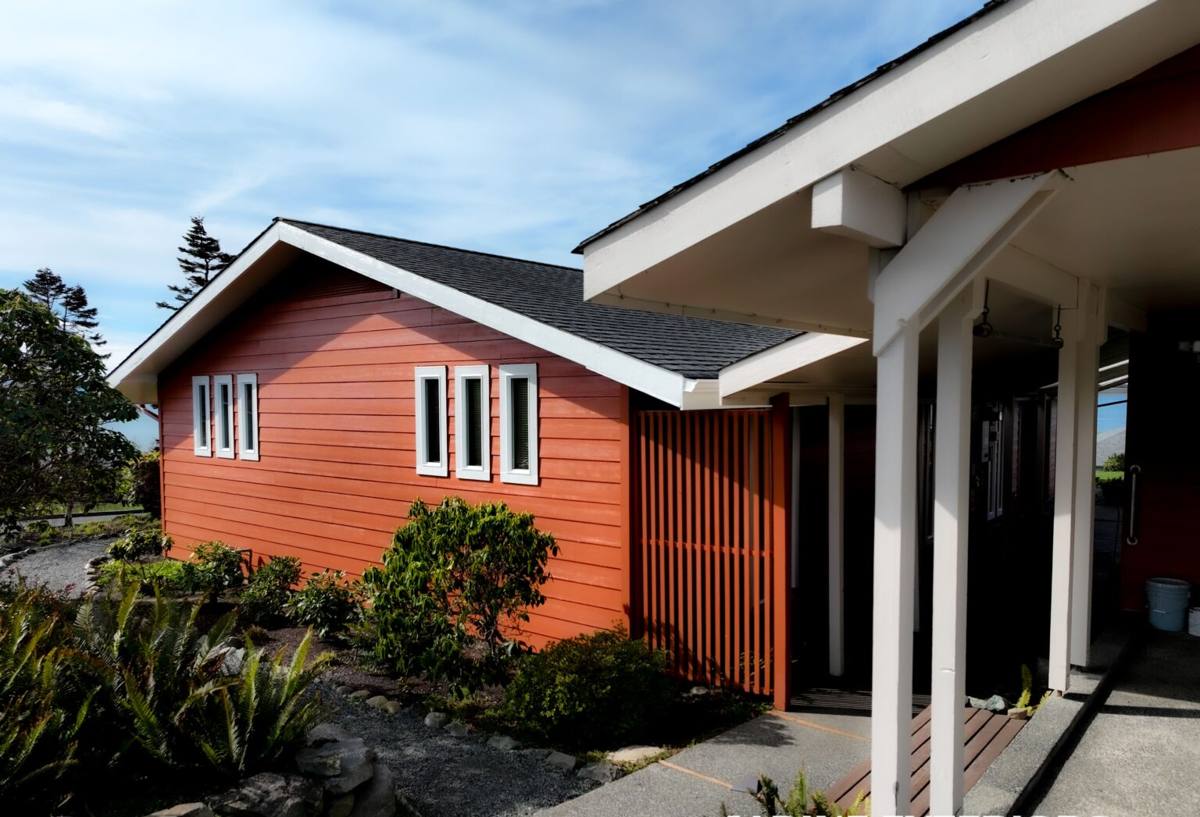
We work on homes throughout the greater Snohomish area, and Woodinville properties tend to share a few things in common: mature tree cover that keeps siding and window trim shaded and damp longer after a storm, older original windows on homes built before energy codes tightened up, and a mix of architectural styles where matching new windows to the existing look matters as much as the performance spec sheet.
What "Custom" Actually Means Here
Custom windows aren't just about non-standard sizes, though that's part of it. On a lot of Woodinville homes we run into openings that were framed decades ago to dimensions nobody stocks anymore, bay and bow configurations that need to be built to the opening rather than forced to fit it, and trim details that have to be replicated so the new window doesn't look like an obvious patch job. Custom means the window is specified for the actual opening, the actual exposure, and the actual look of the house — not pulled off a shelf and made to work.
Common Reasons Homeowners Call Us for Custom Windows
- Original wood windows with rotted sills or frames from years of moisture exposure
- Aluminum-frame windows from the 1970s-90s that condense heavily and no longer seal
- Odd or irregular openings that don't match modern standard sizing
- Bay, bow, or garden windows needing structural and weatherproofing attention, not just glass swaps
- A remodel or addition where window style needs to match the rest of the home
- Persistent fogging between panes, meaning the seal has already failed
How Salt Air, Rain, and Moss Actually Damage Windows
It helps to understand the failure mechanism, because it changes what "correct installation" looks like.
Driving Rain and Wind-Driven Moisture
Western Washington storms don't just fall straight down — wind pushes rain sideways into window assemblies, especially on exposed elevations. If flashing, sill pans, and sealant details aren't done correctly, water gets behind the window frame instead of running off it. That's how you end up with rot inside the wall cavity years before anyone sees a stain on the drywall.
Salt-Influenced Air
Homes closer to Puget Sound and its inlets deal with airborne salt that accelerates corrosion on metal hardware, fasteners, and lower-grade aluminum components. Over time this shows up as pitted hardware, stiff or failing locks, and premature finish breakdown on anything that isn't rated for a marine-influenced environment.
Moss and Sustained Dampness
Extended moss season means more surfaces around the house stay damp longer between dry spells. Moss and algae growth on sills, trim, and nearby siding hold moisture against wood and painted surfaces, which is exactly the condition that breeds rot and paint failure. Windows shaded by trees or on north-facing walls are usually the first to show it.
What a Correct Window Installation Involves
A lot of window problems we get called to fix aren't product failures — they're installation shortcuts. Doing it right on a Woodinville home means:
- Removing the old window fully and inspecting the framing and sheathing underneath for hidden rot before anything new goes in
- Installing a proper sill pan flashing so any water that does get past the window sheds outward, not into the wall
- Integrating window flashing correctly with the house's weather-resistive barrier (building wrap), lapped in the right order so water always drains down and out
- Using sealants and backer rod appropriate for our climate, not a bead of caulk as the only defense
- Shimming and fastening square and plumb so the sash operates smoothly and the seal compresses evenly for the life of the window
- Finishing interior and exterior trim to match the home, with attention to drainage at the sill
Skip any one of these steps and you can install the best window on the market and still get moisture intrusion within a few seasons.
Comparing Window Frame Materials for This Climate
| Material | Moisture Performance | Maintenance | Typical Fit for Woodinville Homes |
|---|---|---|---|
| Vinyl | Good — won't rot, handles damp exposure well | Low; occasional cleaning | Strong value option, wide style range |
| Fiberglass | Very good — stable in wet/dry cycling, resists warping | Low | Good for larger openings and higher-exposure walls |
| Wood (clad exterior) | Depends heavily on cladding and installation quality | Higher — exterior cladding protects, but interior wood still needs care | Fits historic or traditional-style homes where the look matters most |
| Aluminum | Poor in cold, damp climates — prone to condensation, corrosion near salt air | Moderate to high | We generally steer homeowners away from bare aluminum here for that reason |
We don't install bare aluminum-frame windows as a rule in this region — not because the material is inherently bad, but because it conducts cold straight through the frame, which causes chronic condensation and, combined with salt-influenced air, accelerates corrosion on hardware. That's a maintenance and moisture-management burden we don't want to hand a homeowner.
Our Process for a Woodinville Custom Window Project
1. On-Site Assessment
We look at every opening individually — sizing, exposure to weather, existing framing condition, and how the window ties into the siding and trim around it. This is also where we catch rot or moisture damage that needs to be addressed before new windows go in.
2. Honest Scope and Estimate
We'll tell you plainly what's replacement-only versus what needs framing or sheathing repair first. Pricing for custom window work varies a lot based on size, frame material, number of openings, and whether structural repair is involved, so we walk through the real cost factors with you rather than quoting a number blind.
3. Ordering and Fabrication
Custom-sized and specialty-shaped windows take longer to arrive than stock sizes — we'll give you a realistic timeline up front so there are no surprises.
4. Installation with Full Flashing and Sealing
This is where the work described above happens — sill pans, flashing integration, sealing, and finish trim, done to hold up through our wet season, not just look good on install day.
5. Final Walkthrough
We check operation, seals, and finish work with you before we call the job done.
Cost Factors Worth Understanding Before You Get Quotes
Rather than quote a fake price range, here's what actually drives cost on a custom window project so you can evaluate quotes intelligently:
- Opening size and shape — standard rectangular openings cost less than bays, bows, or non-standard geometries
- Frame material — vinyl is typically the most economical, fiberglass and clad wood cost more
- Number of openings replaced at once — bundling windows usually lowers the per-unit labor cost
- Hidden repair work — rotted framing or sheathing found during removal adds cost, but skipping that repair is how future leaks happen
- Trim and exterior finish work — matching existing trim profiles takes more labor than a plain finish
- Access — second-story or hard-to-reach openings add time and equipment cost
Why Hiring a Crew That Already Works This Area Matters
A crew that regularly works Snohomish-area homes already knows what this climate does to windows over time, because we're the ones who get called back to fix the corners other installers cut. We know which flashing details actually hold up through a wet winter here, which frame materials are worth the extra cost given the salt air and moss exposure, and how to match window styles to the range of homes you find in and around Woodinville — from older original construction to newer remodels. That local pattern-recognition is the difference between a window that performs for twenty-plus years and one you're troubleshooting again in five.
If you're dealing with drafty, foggy, or rot-damaged windows, or you're planning a remodel and want the window package specified correctly the first time, we're happy to take a look. Reach out for a free, no-pressure estimate using the form below — we'll walk your home's openings with you and give you a straight answer on what it actually needs.