 Snohomish
 Roofing in Maltby: A Climate That Doesn't Forgive Shortcuts
Maltby sits in a part of Snohomish County where roofs work hard for their keep. The tree cover that makes this area attractive also means constant shade on north-facing slopes, damp organic debris in valleys and gutters, and a moss season that can run most of the year if a roof isn't built to shed water and dry out between storms. Add the driving, wind-pushed rain common to Western Washington winters and the broader marine-influenced air that carries moisture and salt further inland than most homeowners expect, and you get a roofing environment that punishes anything installed with shortcuts. A new roof here isn't just about covering the house — it's about managing water and moss for the next 30-plus years, not just the next dry week.
That's the lens we bring to every new roof installation in Maltby: the roof has to perform in shade, in standing damp, and in wind-driven rain, not just look good on a sunny install day.
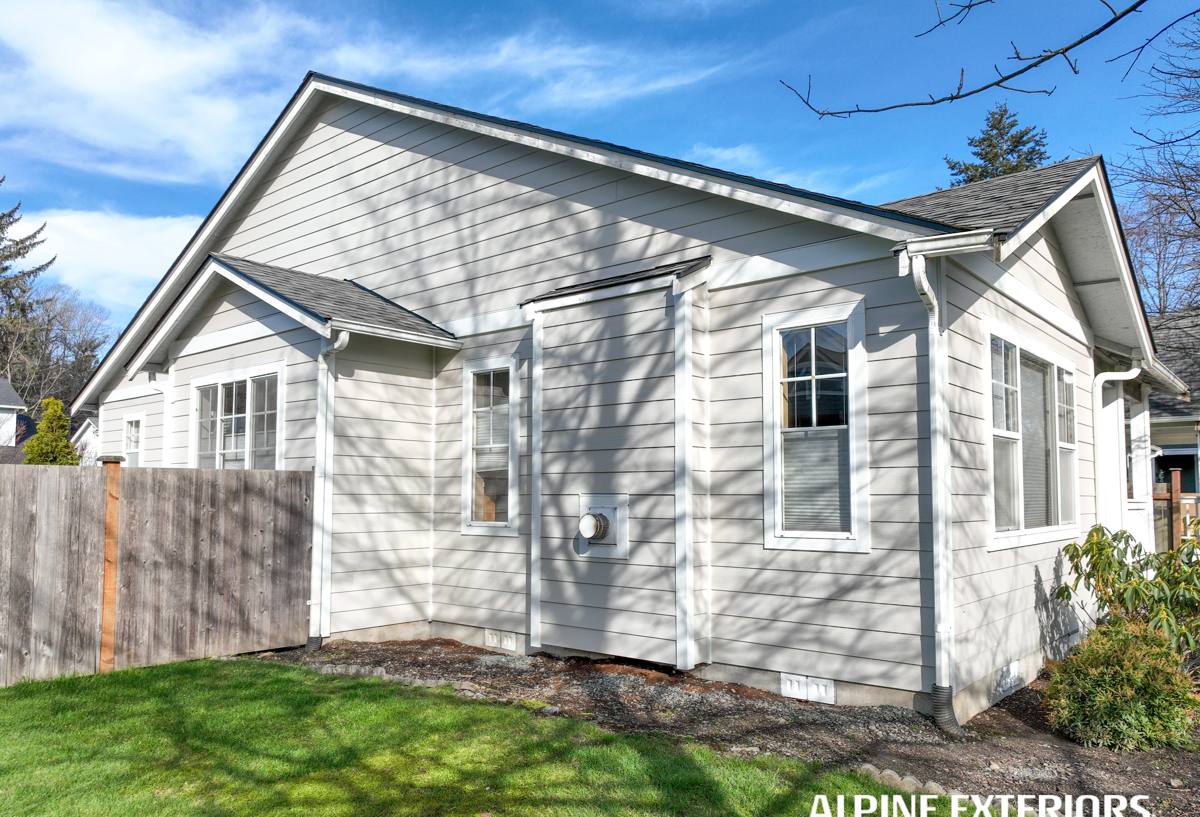
Signs a Maltby Home Needs a New Roof, Not Another Repair
Repairs make sense when a roof has isolated damage and the rest of the system is sound. A full new roof installation becomes the honest recommendation when the underlying materials — not just the shingles — are past their working life. Common signs we see on Maltby homes include:
- Moss establishing on the roof deck itself, not just on the shingle surface, after repeated cleanings
- Granule loss heavy enough that shingles look patchy or bald in valleys and low-slope areas
- Soft or spongy decking felt underfoot during inspection, especially near valleys and eaves
- Daylight visible through the attic roof boards, or damp insulation below the roofline
- Curling, cracking, or lifted shingle edges, particularly on shaded north- and east-facing slopes
- Multiple past repairs in different spots, suggesting the whole system is aging out together
- Interior ceiling stains that return after cleaning, even without an obvious active leak
If a roof is showing two or more of these, a new installation is usually more cost-effective over time than continuing to chase repairs on a system that's failing as a whole.
Why Moss Matters More Than It Looks
Moss isn't just cosmetic. It holds moisture against the shingle surface long after rain stops, which accelerates granule loss and, over time, works its way under shingle tabs and into fastener lines. On heavily shaded Maltby lots, moss can re-establish within a season or two of cleaning if the roof design doesn't address airflow and sun exposure. A new roof installation is the point where we can actually fix the underlying causes — not just treat the symptom.
What a Correct New Roof Installation Actually Involves
A new roof is a system, not a single product. Getting it right in this climate means paying attention to layers most homeowners never see:
Tear-Off and Deck Inspection
We remove the old roofing down to the deck rather than layering over it, because covering existing damage guarantees it resurfaces later. Every section of decking gets inspected for soft spots, rot, and delamination, and any compromised sheathing is replaced before anything new goes down.
Underlayment and Water Management
In an area that sees sustained, wind-driven rain, underlayment choice matters as much as the visible roofing material. We use synthetic or ice-and-water underlayment strategically at eaves, valleys, and penetrations — the spots where wind-driven rain and ice damming are most likely to force water backward under the shingle line.
Flashing
Flashing around chimneys, skylights, vent pipes, and roof-to-wall transitions is where most leaks actually originate, not in the field of the shingles. New flashing, properly lapped and sealed, is a non-negotiable part of any new roof installation we do — reused old flashing is a common shortcut that shows up as a leak two or three winters later.
Ventilation
Balanced intake and exhaust ventilation keeps the attic and roof deck closer to outside temperature and humidity, which slows moss regrowth and reduces the condensation that leads to rot from underneath. On shaded, tree-covered Maltby lots this is one of the highest-value details in the whole installation, and it's the one most often skipped by installers focused only on the visible shingle layer.
Our Process for a Maltby New Roof Installation
- On-site assessment — we inspect the existing roof, deck condition, ventilation, and any drainage or moss issues specific to the lot's sun exposure and tree cover.
- Written estimate — clear scope, materials, and pricing before any work starts, with options explained rather than upsold.
- Permitting — we handle the Snohomish County permit process so the job is documented and inspected correctly.
- Tear-off and deck repair — old roofing removed, deck inspected, and any damaged sheathing replaced.
- Underlayment, flashing, and ventilation install — the layers that determine how the roof performs in wet weather, done before the finish material goes on.
- Roofing material installation — installed to manufacturer specification, not just "close enough," since warranty coverage depends on it.
- Final walkthrough — we review the completed roof with the homeowner and confirm gutters, flashing, and penetrations are clean and sealed.
Roofing Material Options for Maltby Homes
There's no single "best" roofing material for every home — the right choice depends on the roof's slope, shading, budget, and how the homeowner wants to balance upfront cost against long-term maintenance.
| Material | Typical Lifespan | Moss/Moisture Behavior | Maintenance |
|---|---|---|---|
| Architectural asphalt shingles | 25–30 years | Moderate moss resistance; algae-resistant granules help but don't eliminate the need for cleaning | Periodic moss/debris removal recommended |
| Standing seam metal | 40–60 years | Sheds water and moss very effectively due to smooth, sloped surface | Low; occasional debris clearing |
| Composite/synthetic shingle | 30–50 years | Good moisture resistance; performance varies by product line | Low to moderate |
| Wood shake | 20–30 years | Higher moisture retention in shaded, damp conditions; requires more diligent upkeep | Higher; regular treatment and inspection |
Given the shaded, damp conditions common around Maltby, we tend to steer homeowners toward materials and roof details that actively shed moisture rather than hold it — not because any one product is inherently bad, but because some require more ongoing homeowner maintenance than others to perform well long-term in this specific climate.
Cost Factors for a New Roof Installation
Every roof is priced on its own specifics, but the main variables that move the number are consistent:
| Factor | Why It Matters |
|---|---|
| Roof size and pitch | Steeper, larger roofs take more material and labor time and require more safety setup |
| Deck condition | Rotten or soft decking found during tear-off adds material and labor to replace before installation continues |
| Number of penetrations | Chimneys, skylights, and vents each need individual flashing work |
| Material selection | Asphalt, metal, and composite options carry different material and installation costs |
| Access and tree cover | Limited access or heavy overhead trees can add setup and cleanup time |
| Ventilation upgrades | Adding proper intake/exhaust venting where none exists is an upfront cost that pays back in roof longevity |
We'd rather walk a homeowner through these factors on-site and give an honest, itemized estimate than quote a number over the phone that doesn't hold up once the tear-off reveals the deck's real condition.
Why Local Experience in Maltby Specifically Matters
A crew that regularly works this part of Snohomish County already knows which slopes on a given lot tend to hold shade and moss year-round, how wind-driven rain typically finds its way into poorly flashed valleys, and what ventilation setups actually keep a roof dry between storms here. That's different knowledge than a crew that mostly works drier, more open areas of the state. It shows up in small decisions — where extra ice-and-water membrane goes, how ventilation is balanced, which flashing details get extra attention — that add up to a roof that performs for decades instead of one that looks right for a year or two.
It also matters for the practical side of the job: knowing the local permitting process, working efficiently around the tree cover and lot layouts common in this area, and being available if a question comes up after the install is complete.
Maintaining Your New Roof After Installation
A correctly installed roof still benefits from basic upkeep, especially in a moss-prone climate:
- Clear gutters and valleys of needles and leaf debris at least twice a year
- Address moss growth promptly with gentle, roof-safe methods rather than pressure washing
- Trim overhanging branches to reduce shade and debris buildup where practical
- Schedule a roof check after major windstorms to catch any lifted or damaged material early
- Keep attic ventilation paths unobstructed by insulation or stored items
If you're weighing a repair against a full new roof installation for a Maltby home, or you know the roof is due and want an honest assessment of what it actually needs, we're happy to take a look. Reach out for a free, no-pressure estimate — the form below gets you started.