 Snohomish
 Window Replacement Built for Arlington's Climate
Arlington sits in a stretch of Snohomish County where homes take a real beating from the weather — not dramatic storm damage, just the slow, steady kind. Driving rain off the Sound, long stretches of moss season, and salt-laden air work their way into every gap, seam, and worn seal on a house. Windows are usually the first thing to show it: fogged glass, swollen sashes, drafts you can feel standing three feet away. If you're looking into window replacement for a home in the Arlington area, the climate here should shape almost every decision you make, from frame material to installation sequencing.
This page is specifically about window replacement for Arlington homes — not a general product overview. We'll walk through what local conditions demand, what a correct installation actually involves, and why hiring a crew that already works this area matters more than most homeowners expect.
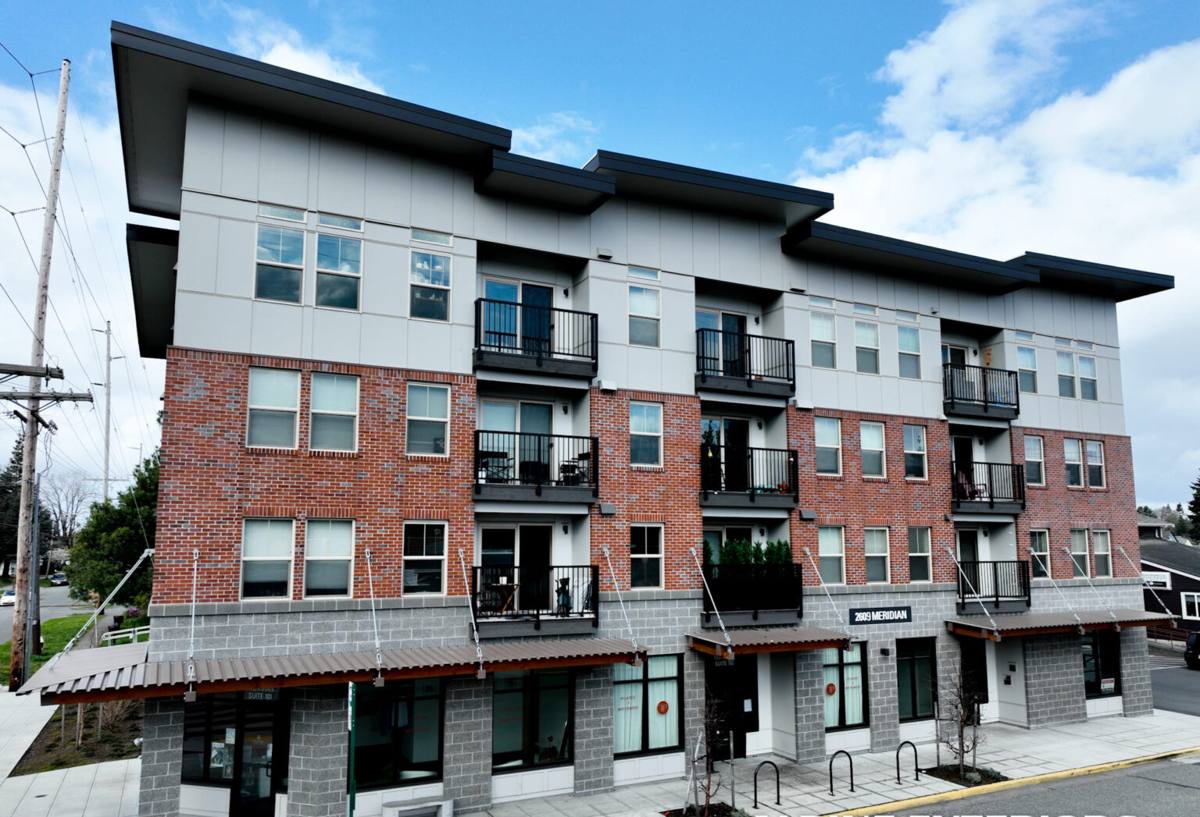
What Arlington's Weather Does to Windows Over Time
Every region has its own failure pattern for windows, and ours is fairly consistent. It's rarely one big event — it's cumulative moisture exposure combined with temperature swings and organic growth.
Moisture Intrusion
Sustained rain, especially wind-driven rain, finds its way past aging flashing and failed sealant long before a homeowner notices anything inside. By the time you see staining on interior trim or bubbling paint below a sill, water has usually been getting into the wall cavity for a while.
Moss and Organic Buildup
Moss doesn't just grow on roofs. It collects in window tracks, on exterior sills, and in any horizontal surface that stays damp for extended periods. Left alone, it holds moisture against wood and vinyl surfaces and accelerates rot and seal breakdown.
Salt Air Corrosion
Homes closer to the water deal with airborne salt that corrodes hardware — hinges, locks, balance mechanisms — faster than inland properties. Cheaper hardware finishes wear through and stop functioning smoothly within a few years.
Condensation and Seal Failure
Older double-pane windows lose their gas fill and seal integrity over time. Once that happens, you get fogging between the panes that no amount of cleaning fixes — it's a sign the insulated glass unit itself has failed, and the window needs replacing, not repairing.
Signs It's Time to Replace, Not Repair
- Fogging or moisture trapped between panes of glass
- Visible wood rot at the sill, jamb, or corners of the frame
- Windows that are difficult to open, close, or lock
- Noticeable drafts even with the window fully closed
- Soft or spongy trim, or paint that bubbles and peels near the window
- Condensation forming on the interior glass regularly during colder months
- Visible daylight or gaps around the frame from outside
What a Correct Window Installation Involves
Window replacement isn't just swapping glass in a hole. The quality of the installation determines whether a window performs for 20-plus years or starts failing again in five. In our climate, a few steps matter more than they might elsewhere.
Removal and Inspection
Once the old window is out, we inspect the rough opening for hidden rot or water damage. This is often where problems that weren't visible from outside get discovered — soft framing, past water intrusion, or inadequate flashing from a previous installation.
Flashing and Weather Barrier Integration
This is the step most likely to get rushed on a lower-quality job, and it's the one that matters most here. Proper flashing directs water away from the opening and integrates correctly with the house's existing weather-resistive barrier. Get this wrong, and the window will leak eventually — regardless of how good the window itself is.
Air Sealing and Insulation
The gap between the window frame and the rough opening needs to be sealed and insulated correctly — not overpacked with expanding foam, which can bow the frame, and not left with gaps that let air and moisture through.
Level, Plumb, and Square
A window that isn't installed level and square will bind, won't seal properly against its own weatherstripping, and will wear out its hardware faster. This is basic, but it's also where speed-focused crews cut corners.
Interior and Exterior Finish Work
Trim, caulking, and touch-up paint should look clean and finished on both sides — not just presentable from the street.
Choosing the Right Window for an Arlington Home
There's no single "best" window — the right choice depends on the home's exposure, age, and your priorities around maintenance and budget. A few honest trade-offs worth knowing:
| Frame Material | Strengths | Trade-offs in Our Climate |
|---|---|---|
| Vinyl | Cost-effective, low maintenance, good insulating performance | Quality varies widely by manufacturer; cheaper vinyl can warp under sun and temperature swings |
| Fiberglass | Very stable dimensionally, holds paint well, strong moisture resistance | Higher upfront cost than vinyl |
| Wood (clad exterior) | Traditional look, good interior warmth | Exterior wood exposure is a liability here unless well-clad and maintained; higher long-term upkeep |
| Aluminum | Durable, slim sightlines | Poor insulator unless thermally broken; can feel cold and conduct condensation |
We generally steer homeowners toward vinyl or fiberglass options with proven weatherability for this region, and we're upfront about why: less exterior maintenance, better long-term moisture performance, and fewer callbacks for warping or seal issues. If you have your heart set on a wood-look exterior, we'll talk through what that commitment to maintenance actually looks like before you decide.
Glass Packages Worth Considering
Beyond the frame, the glass package affects comfort and energy performance more than most homeowners expect.
- Double-pane, low-E glass — the standard baseline for new installations in our climate; helps manage both summer heat gain and winter heat loss
- Argon or krypton gas fill — improves insulating performance between panes at a modest added cost
- Triple-pane — better insulation and sound dampening, worth considering for street-facing rooms or homes prioritizing energy efficiency, though it adds weight and cost
Cost Factors to Understand Before You Get a Quote
We don't publish blanket pricing because window replacement costs vary a lot based on real factors specific to your home. Understanding these helps you evaluate quotes honestly, including ours.
| Factor | Why It Affects Cost |
|---|---|
| Number and size of windows | More straightforward — larger openings and more units mean more material and labor |
| Frame material and glass package | Vinyl, fiberglass, and glass upgrades carry different price points |
| Condition of the rough opening | Hidden rot or framing damage found during removal adds repair work |
| Access and second-story work | Harder-to-reach windows take more time and equipment |
| Full-frame vs. insert replacement | Full-frame replaces down to the studs; inserts fit into the existing frame and cost less but aren't right for every situation |
Broadly, homeowners in our area should expect a range from a few hundred dollars per window for straightforward insert replacements up to several thousand per window for larger, full-frame, or higher-end installations. The only way to get an accurate number is a walk-through of the actual openings.
Why a Crew That Works Arlington Regularly Matters
Window replacement quality depends heavily on local familiarity. A crew that already works in and around Arlington and greater Snohomish County knows how the housing stock in this area was typically built, what installation shortcuts show up most often on older homes, and how aggressively to plan around our wet season. That's not a minor detail — it affects scheduling, how flashing details get handled, and how conservative we are about weather sealing on any given day.
We also understand what permitting and inspection expectations look like locally, and we don't treat every job as a first-time guess at how the region behaves. That familiarity translates into fewer surprises during the job and a better chance the installation performs the way it should for years, not just for the first season.
Our Process for Arlington Homeowners
- On-site assessment of your current windows, framing condition, and exposure
- Honest recommendation on frame material, glass package, and full-frame vs. insert replacement
- Written estimate with no pressure to decide on the spot
- Scheduled installation, timed around weather where possible
- Removal, inspection of the rough opening, proper flashing and air sealing, and careful finish work
- Final walkthrough to confirm operation, appearance, and cleanup
Maintaining New Windows in a Wet Climate
Even a well-installed window benefits from basic upkeep in this climate.
- Clear moss and debris from tracks and sills periodically, especially heading into fall
- Check exterior caulking annually for cracking or separation
- Wipe down hardware occasionally to reduce salt and grime buildup near coastal exposure
- Watch for condensation between panes as an early sign of seal failure
- Keep gutters and downspouts clear so runoff isn't sheeting directly across window openings
If your Arlington home has windows showing any of the wear signs above, or you're simply ready to stop dealing with drafts and moisture during another wet season, we're happy to take a look. Reach out for a free, no-pressure estimate using the form below.