 Snohomish
 Window Installation in Silver Firs: Built for What This Climate Actually Does
Silver Firs sits in a part of Snohomish County where the weather doesn't do anything dramatic — it just doesn't let up. Mild temperatures, near-constant fall and winter rain, salt-tinged marine air rolling in off the Sound, and shade from mature conifers all add up to one thing for windows: near-continuous moisture exposure. That's a very different problem than heat or freeze-thaw cycles, and it changes what "correct installation" means. A window that's a perfect fit for a dry climate can still fail here in a few years if it's flashed wrong or sealed with the wrong materials.
This page covers window installation specifically for Silver Firs homes — what the climate does to windows over time, what a correct install actually involves, how we approach the job, and what to weigh when you're choosing materials and a contractor.
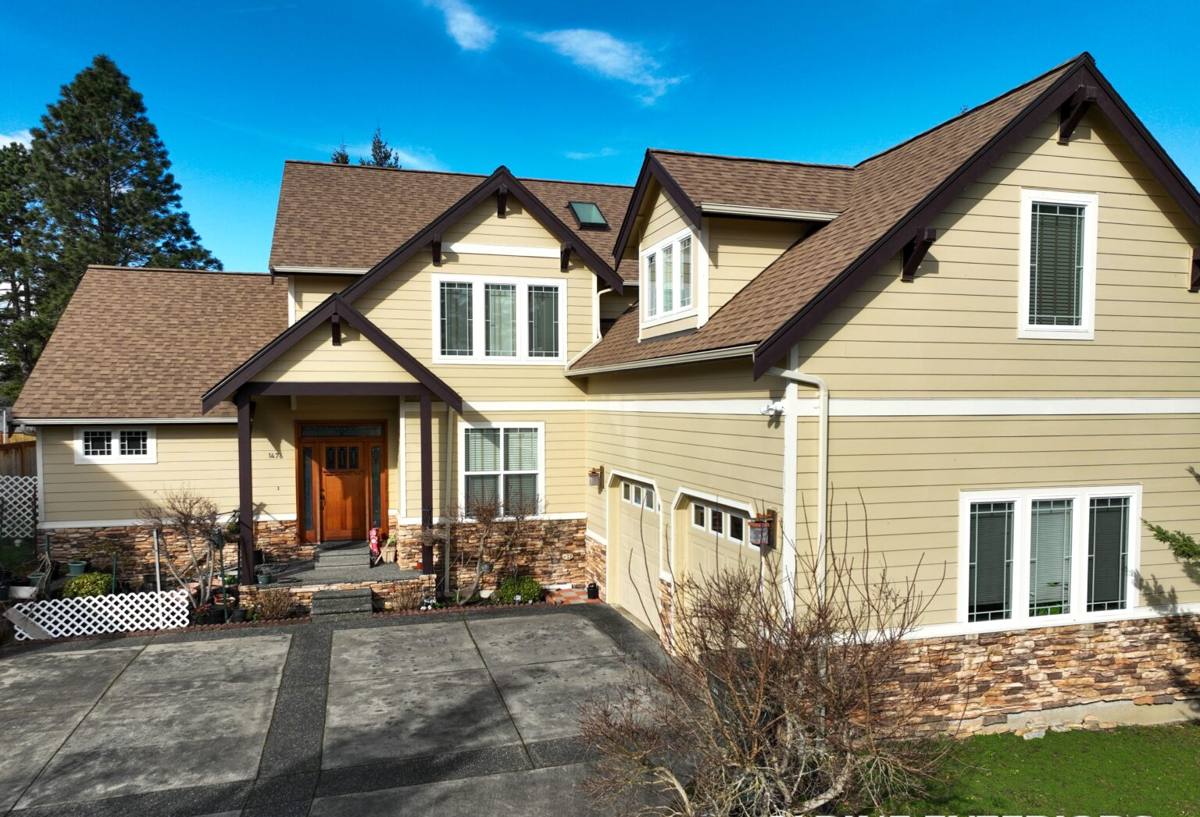
Signs a Silver Firs Home Needs New Windows
Most window replacement calls we get in this area aren't emergencies — they're slow, cumulative problems that finally get annoying enough to deal with. Common ones include:
- Fogging or a permanent haze between the panes (the seal has failed and the gas fill or dead air space is gone)
- Visible moss or dark staining building up on the sill, trim, or exterior casing
- Soft, spongy, or discolored wood around the frame — usually a sign moisture has already gotten behind the trim
- Windows that are hard to open, don't latch fully, or have warped out of square
- Noticeable drafts near the frame, or condensation forming on the inside of the glass every morning
- Rooms that feel colder than the rest of the house despite the same heating
Any one of these is worth a look. Several at once, especially on the same wall or elevation, usually points to a flashing or moisture problem rather than just old glass.
What a Correct Window Installation Actually Involves
The window itself is one part of the job. The other part — arguably the more important one in a climate like this — is how it's tied into the wall so water can't get behind it. A lot of window problems we see aren't product failures at all; they're installation shortcuts from years ago finally catching up.
The Installation Checklist
- Remove the old window and inspect the rough opening framing for rot or soft wood before anything new goes in
- Repair or replace any damaged framing — never install a new window over compromised wood
- Install a sloped sill pan flashing so any water that gets past the window drains back out, not into the wall
- Integrate flashing tape with the weather-resistive barrier in the correct shingle-lap order (top piece always overlaps the one below it)
- Set the window plumb, level, and square, and confirm it operates smoothly before final fastening
- Insulate the gap between the frame and the rough opening with low-expansion foam, not just stuffed fiberglass or caulk alone
- Seal and finish the exterior trim so it sheds water rather than trapping it against the siding
- Finish the interior, then test operation, locks, and screens before calling the job done
Skip the sill pan or get the flashing lap order backward, and you can install a genuinely excellent window and still get rot in the wall behind it within a few wet seasons. That detail matters more here than in drier parts of the country, simply because there's more water testing the seams every year.
Choosing the Right Window for This Climate
Frame material is the first real decision, and it's worth getting right since it affects maintenance for the next 20-plus years, not just the upfront cost.
| Frame Material | Moisture Resistance | Maintenance | Typical Lifespan | Best Fit |
|---|---|---|---|---|
| Vinyl | Very good — won't rot, doesn't need painting | Low — occasional cleaning | 20–30 years | Most Silver Firs homes; best value for the climate |
| Fiberglass | Excellent — very stable, minimal expansion/contraction | Low | 30–40+ years | Homeowners wanting a longer-term product and willing to pay more upfront |
| Wood-clad | Good on the exterior, but the interior wood needs care and any cladding breach lets moisture in | Higher — periodic sealing/paint, watch for gaps at joints | 20–30 years with upkeep | Homes prioritizing an interior wood look, where upkeep isn't a concern |
| Aluminum | Poor — conducts cold, prone to condensation, no thermal break on older stock | Low, but performance issues aren't fixable by maintenance | Varies | Generally not something we recommend replacing like-for-like in this climate |
We install vinyl and fiberglass for most Silver Firs jobs. We don't push wood-clad or bare aluminum as a first recommendation here — not because the products are bad, but because a marine climate with a long wet season punishes any product where a small maintenance lapse turns into a moisture problem. That's an honest trade-off conversation we have with every homeowner, not a sales pitch for one brand.
Glass and Coatings
For this region, double-pane glass with a Low-E coating and argon gas fill is the standard that makes sense for most homes — it cuts heat loss, reduces condensation on the interior glass, and blocks a meaningful amount of UV without a big cost jump. Triple-pane exists and works, but the extra cost and weight buy you more in a harsher heating or cooling climate than they do here, where winters are wet more than they're brutally cold.
Full-Frame Replacement vs. Insert (Pocket) Replacement
This decision matters as much as the window brand, and it depends on the condition of what's already there.
Insert Replacement
The new window goes into the existing frame, which stays in place. It's faster, less disruptive to interior trim and exterior siding, and usually less expensive. It only makes sense if the existing frame and sill are solid and dry — an insert doesn't fix a moisture problem, it just installs a new window on top of one.
Full-Frame Replacement
The window and its frame come out completely, down to the rough opening. This is the right call whenever there's any rot, when the opening needs to be resized, when egress code requires a larger opening, or when the exterior trim and flashing need to be rebuilt anyway. It costs more and takes longer, but it's the only way to actually correct a flashing or moisture problem instead of installing over it.
We'll tell you honestly which one your situation calls for after we've actually opened things up enough to see the framing — not before.
What Affects the Cost of Window Installation
Pricing swings a lot from house to house, and most of the swing comes down to a handful of factors rather than the sticker price of the window itself.
| Factor | Why It Changes the Price |
|---|---|
| Insert vs. full-frame | Full-frame involves more labor, more materials, and often exterior trim or siding repair |
| Frame condition | Hidden rot found during removal adds framing repair that couldn't be quoted sight-unseen |
| Window size and count | Larger openings and whole-house jobs get some efficiency of scale, but each window still needs full flashing work |
| Egress requirements | Bringing a bedroom window up to current egress code may mean enlarging the opening, which is more than a swap |
| Frame material | Fiberglass generally costs more than vinyl; wood-clad more still |
| Trim and siding integration | Matching existing exterior trim or patching siding after a full-frame swap adds labor |
We give straightforward ranges once we've actually looked at the windows in question — we won't quote a number over the phone for a job we haven't seen, because the framing condition is usually the biggest variable and that's invisible until the old window is out.
Permits and Code Requirements
Depending on the scope of the work, window replacement in unincorporated Snohomish County may or may not require a permit — like-for-like replacements in the same opening are often exempt, while enlarging an opening, changing a bedroom window to meet egress requirements, or structural changes typically do require one. Egress code matters most for bedroom windows: there are minimum requirements for opening size, sill height, and how the window operates, and older Silver Firs homes built before current code sometimes fall short. We check this as part of the estimate and handle the permit process when the scope calls for it, rather than leaving it for the homeowner to sort out after the fact.
Our Process for Silver Firs Window Installations
- Free on-site estimate. We look at each window, check the frame and sill condition, and talk through insert vs. full-frame before quoting anything.
- Product selection. We walk through frame material, glass package, and grille or hardware options based on your house and budget — not a one-size answer.
- Permitting, if needed. We confirm what Snohomish County requires for the scope of your project and pull permits when applicable.
- Installation day. Old windows come out, framing gets inspected and repaired as needed, flashing and sill pans go in correctly, and the new window is set, insulated, and sealed.
- Finish and cleanup. Interior and exterior trim work is completed, the job site is cleaned up, and every window is tested for smooth operation before we call it done.
- Walkthrough. We go over the work with you, confirm everything operates and locks properly, and cover manufacturer warranty paperwork.
Why a Crew That Already Works in Silver Firs Matters
Window installation done wrong doesn't usually show up as a problem in the first year — it shows up two or three wet winters later, as rot, staining, or a soft spot in the wall that's expensive to fix because now it involves siding and framing, not just a window. A crew that's used to this specific climate treats flashing and sill pan work as non-negotiable, not an upsell, because they've seen what happens when it's skipped in a place that gets this much sustained rain and shade-driven moss growth. Familiarity with Snohomish County's permitting process also keeps a project moving instead of stalling on paperwork nobody expected. That local track record is worth asking about directly when you're comparing contractors.
If you're weighing window replacement for a Silver Firs home, we're glad to come take a look, walk the exterior with you, and give you a straight answer on what your windows actually need — no pressure, no obligation. Fill out the form below to schedule a free estimate.