 Snohomish
 Window Installation in Machias, Done by a Crew That Works This Area
Machias sits close enough to Snohomish's river valley and the broader Puget Sound weather pattern that its homes take a specific kind of beating: damp air most of the year, driving rain that comes in sideways during winter storms, and a moss season that seems to start earlier and last longer every year. Windows are one of the first places that shows up. If you're planning a window installation for a Machias home, the job isn't just "pull the old one, drop in the new one" — it's about getting the flashing, sealing, and drainage right for a climate that never really dries out.
This page covers what window installation actually involves for homes in and around Machias, what our process looks like, and what to weigh when you're comparing materials, styles, and contractors.
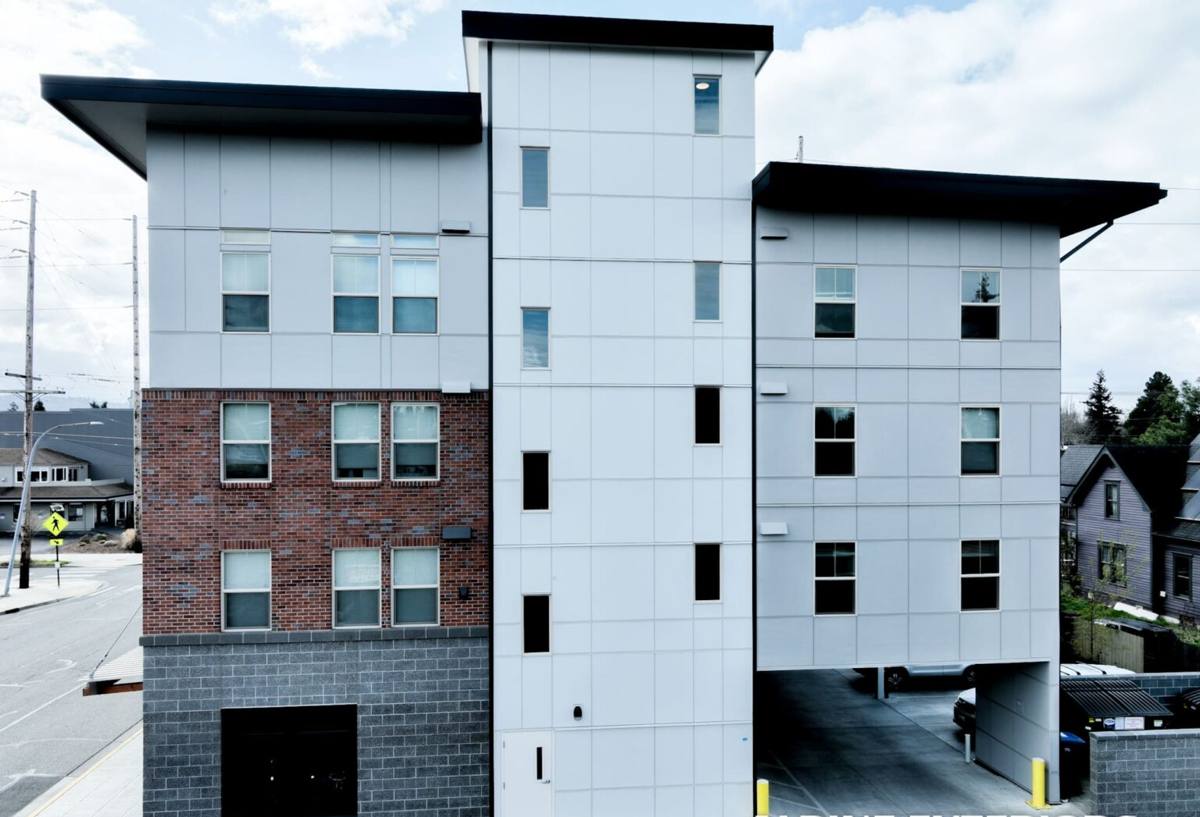
What Snohomish County's Climate Does to Windows Over Time
Snohomish County weather isn't dramatic — no hurricanes, no extreme freezes most winters — but it's relentless. That's actually harder on a window than the occasional big storm.
Moisture, not just rain
The bigger issue for windows here isn't the rain itself, it's how long everything stays wet. Wood trim, sills, and old caulk lines don't get a real chance to dry out between October and April. Any gap in the flashing or a failed sealant bead becomes a slow leak instead of a one-time event, and slow leaks are the ones that rot framing before anyone notices a problem.
Moss and organic growth
A long moss season means anything horizontal — sills, exterior trim, the tops of window frames — collects organic buildup that holds moisture against the material. On older wood-frame windows this accelerates rot at exactly the joints that are hardest to inspect from the ground.
Salt-influenced air
Puget Sound's marine air carries enough salt content to speed up corrosion on unprotected metal hardware, fasteners, and window balances over the years. It's not as aggressive as a true coastal beach town, but it's enough that cheap hardware finishes give out sooner here than they would inland.
Temperature swings and condensation
Cool, damp mornings followed by warmer afternoons create real condensation potential on interior glass, especially on older single-pane or poorly sealed double-pane units. Condensation on the glass is annoying; condensation collecting inside the wall cavity around a badly flashed window is the expensive version of the same problem.
Signs a Machias Home Needs New Windows
Not every issue means full replacement — sometimes it's a resealing or a hardware fix. Here's what we actually look for during an assessment:
- Fogging or a permanent haze between the panes (the seal has failed and the gas fill is gone)
- Soft or discolored wood at the sill or bottom corners of the frame
- Windows that are hard to open, won't stay up, or don't latch flush anymore
- Visible daylight or a draft you can feel around the frame with the window closed
- Paint that keeps bubbling or peeling on the interior trim, which usually points to moisture behind it
- A musty smell near the window that doesn't go away with cleaning
- Noticeably higher heating bills with no other explanation
- Rattling or whistling during wind, which usually means the seal or the sash fit has degraded
If you're seeing two or more of these on the same window, replacement is usually the more honest recommendation than another round of caulk and patch.
What a Correct Window Installation Actually Involves
The window unit itself matters less than most homeowners think — the installation is where jobs succeed or fail, especially in a climate that punishes any shortcut in the flashing and sealing sequence.
Removal and opening inspection
Once the old window is out, that's the only real chance to see the condition of the rough opening — the framing, the sheathing, and any existing water damage. A rushed installer skips this and reinstalls over rot that's already there. We don't move forward with a new unit until the opening itself is sound, or we flag what needs repair first.
Flashing and drainage path
This is the single most important step for a region that stays wet this much of the year. Flashing tape and pan flashing at the sill need to shed water outward and downward, not trap it against the framing. The window needs a clear drainage path so any water that does get past the exterior seal has somewhere to go besides your wall cavity.
Air sealing and insulation
The gap between the window frame and the rough opening gets sealed and insulated — not just caulked on the outside. A window that's air-sealed only on the surface will still let moist air migrate into the wall over a Snohomish winter.
Leveling, shimming, and fastening
An out-of-square install stresses the sash, wears hardware faster, and creates uneven gaps that are harder to seal well. This step is unglamorous but it's the difference between a window that operates smoothly for twenty years and one that starts sticking within two.
Exterior trim and final sealant
Trim gets reinstalled or replaced, and the final exterior sealant bead goes down last — after everything underneath is already doing the real work of keeping water out, not instead of it.
Comparing Window Materials for a Machias Home
There's no single "best" window material — it depends on your home's age, your budget, and how much upkeep you want to take on. Here's how the common options actually perform in this climate:
| Material | How it handles our climate | Maintenance | Typical fit |
|---|---|---|---|
| Vinyl | Doesn't rot, doesn't corrode, handles moisture well | Low — occasional cleaning | Most homes, best value |
| Fiberglass | Very stable in temperature swings, strong moisture resistance | Low | Homes wanting a longer-life upgrade, willing to pay more upfront |
| Wood | Classic look but needs consistent upkeep to resist our wet season | High — repainting/resealing on a schedule | Older or historic-style homes where appearance is a priority |
| Wood-clad (wood interior, metal or vinyl exterior) | Protects the exterior face from moisture while keeping a wood interior look | Moderate | Homeowners who want the wood look inside without full wood maintenance |
| Aluminum | Durable but conducts heat and cold, and can be prone to condensation without thermal breaks | Low, but performance depends on quality | Specific architectural or commercial-style applications |
Our standard is to steer most Machias homeowners toward vinyl or fiberglass unless there's a specific reason to go with wood — not because wood windows are bad, but because a material that shrugs off constant moisture without a maintenance schedule is a more honest fit for how much rain this area actually gets.
Glass Package Matters as Much as Frame Material
Double-pane with a low-E coating and argon gas fill is the practical standard for our climate — it cuts heat loss and reduces interior condensation without a large cost jump over basic double-pane. Triple-pane adds more insulation value but at a higher cost and weight; for most Machias homes it's a diminishing-returns upgrade rather than a necessity, though it can make sense on a north-facing wall or a particularly drafty room.
Our Window Installation Process
- Assessment. We look at your current windows, the framing where visible, and talk through what's actually driving the problem — draft, fogging, rot, or just an old, hard-to-operate unit.
- Measurement and product selection. Exact measurements per opening, then we go through material and glass options based on your budget and how that room is used.
- Prep and protection. Interior and exterior work areas get protected before anything is removed.
- Removal and opening check. Old window comes out, the opening gets inspected, and any needed repair is flagged before the new unit goes in.
- Install — flashing, seal, insulate, fasten. The sequence described above, done in order, every time.
- Trim and final finish. Interior and exterior trim reinstalled or replaced, final sealant applied.
- Walkthrough. We test operation on every window and walk you through it before we call the job done.
What Affects the Cost of Window Installation
Every home is different, but the factors that move the price are consistent. We'll never quote a number without seeing the openings, but here's what to expect to discuss:
| Factor | Why it matters |
|---|---|
| Number of windows | Per-window cost usually drops slightly as the total count on one job goes up |
| Frame material | Vinyl is typically the most budget-friendly; fiberglass and wood-clad cost more |
| Glass package | Standard double-pane low-E vs. triple-pane vs. specialty tempered or obscure glass |
| Opening condition | Rot repair or reframing at the rough opening adds labor beyond a straightforward swap |
| Access and height | Second-story or hard-to-reach windows take more time and equipment |
| Trim scope | Reusing existing trim vs. full trim replacement changes both material and labor |
As a general rule, a straightforward replacement in an existing, sound opening is the most predictable cost; anything involving reframing, rot repair, or resizing an opening adds time and should be priced after an in-person look, not a phone estimate.
Why a Crew That Already Works Machias and Snohomish Matters
Window installation is one of those jobs where local experience shows up in details that aren't obvious until something goes wrong. A crew that regularly works homes in and around Machias has already seen how this area's homes age — where moss tends to build up on trim, which older subdivisions tend to have particular framing quirks, and how much drainage margin to build in for a wet season that runs longer than a lot of national installation guides assume.
That local pattern-recognition matters more than a big-name brand on the window itself. A well-installed mid-range window will outperform a premium window with a rushed or poorly flashed install, especially in a climate that finds every gap eventually. We'd rather talk you through the honest tradeoffs on material and budget than upsell a product that doesn't fit how your home actually needs to perform here.
Ready for a Straight Answer on Your Windows?
If you're dealing with drafts, fogged glass, or windows that just don't operate the way they used to, we're glad to take a look. Fill out the form below for a free, no-pressure estimate — we'll walk your Machias home, tell you honestly what needs replacing versus what can wait, and give you a clear picture of your options before you decide anything.