 Snohomish
 Window Installation Built for Edmonds' Marine Climate
Edmonds sits close enough to Puget Sound that salt air, wind-driven rain, and a long, damp moss season are simply part of owning a home here. Windows take more punishment in this environment than they would twenty or thirty miles inland. Frames corrode faster, seals fail sooner, and moisture finds its way into gaps that would stay dry in a drier climate. A window installation done right in Edmonds has to account for all of that from the first measurement to the final bead of sealant.
This page covers what Edmonds homeowners specifically need to know about window installation: what the local climate does to windows over time, what a correct installation actually involves, how we approach the job, and why it matters to hire a crew that already works in this area rather than one learning the local conditions on your project.
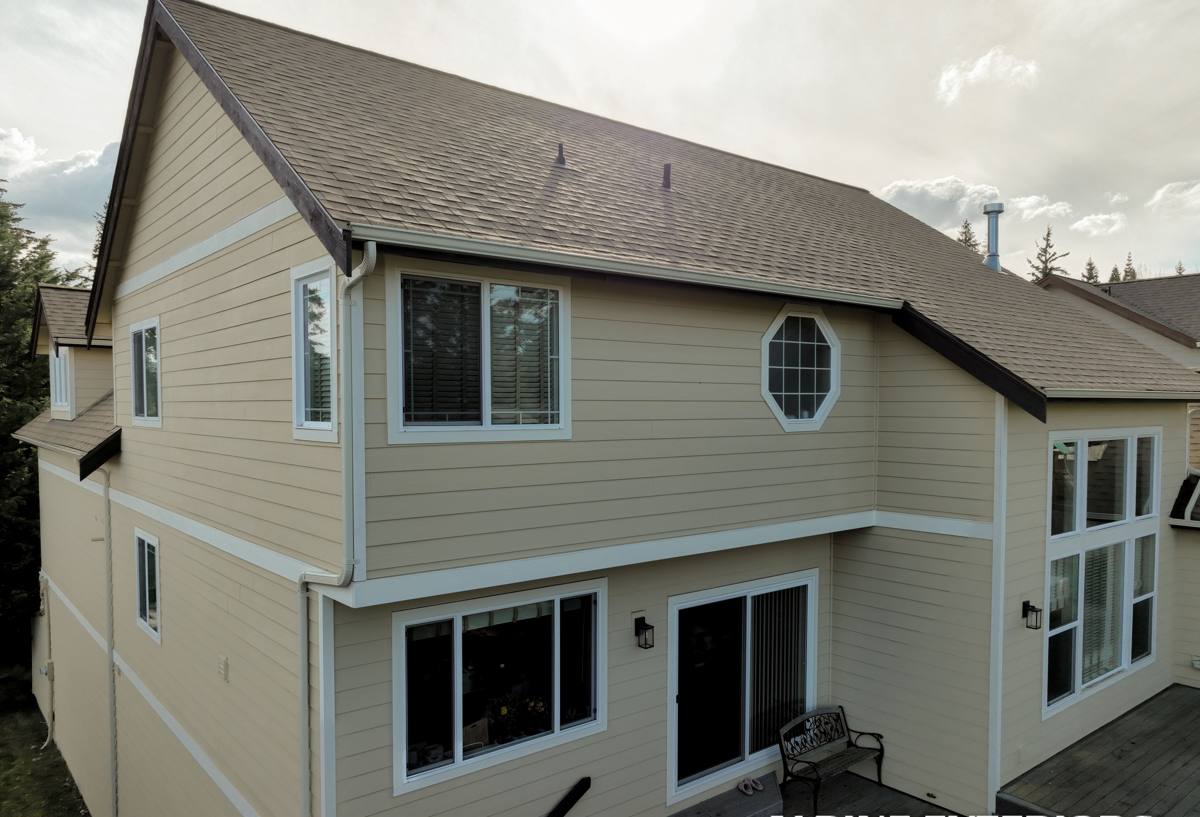
What Edmonds' Climate Does to Windows Over Time
Salt Air and Metal Fatigue
Homes closer to the water deal with airborne salt that settles on window frames, hardware, and screens. Over years, that salt accelerates corrosion on aluminum components, hinges, locks, and cranks. Vinyl and fiberglass frames resist this better than bare aluminum, but even good materials need proper sealing and drainage so salt-laden moisture doesn't sit against the frame or migrate into the wall cavity.
Driving Rain and Wind-Driven Water
Rain in this area often doesn't fall straight down — wind off the Sound pushes it sideways into wall assemblies and window openings. A window that would perform fine in a calm rain can leak under wind-driven conditions if the flashing, sealant, and drainage plane weren't installed correctly. This is one of the most common causes of hidden water damage we find behind older windows in the area.
Moss, Shade, and Prolonged Dampness
Mature tree cover and a long wet season mean a lot of Edmonds homes stay shaded and damp for months at a time. Moss and algae growth on siding and trim near windows holds moisture against the building longer than direct sun exposure would. That prolonged dampness is hard on wood trim, caulking, and any window frame material that isn't built to shed water quickly.
Signs an Edmonds Home Needs New Windows
Not every window problem means full replacement, but these are the signs we take seriously on a local inspection:
- Fogging or a permanent haze between glass panes, meaning the seal has failed and the gas fill is gone
- Soft or spongy wood trim around the window, especially on the bottom sill
- Visible gaps between the frame and siding where old caulk has cracked or pulled away
- Windows that are difficult to open, close, or lock — often a sign the frame has shifted or swollen
- Noticeable drafts or cold spots near the window even when it's fully closed
- Peeling paint or bubbling on interior sills, which usually points to moisture getting past the seal
- Visible mold or a musty smell concentrated near a specific window
- A jump in heating costs without any other explanation
If you're seeing more than one of these, it's worth a closer look before the underlying framing is affected.
What a Correct Window Installation Actually Involves
Window installation gets treated as a simple swap more often than it should be. In a marine climate like this one, the details around the window matter as much as the window itself.
Removing the Old Window Without Hiding Problems
We remove the existing window carefully and inspect the rough opening before anything new goes in. This is where hidden rot, old water damage, or failed flashing from a previous installation shows up. Covering that kind of damage with a new window instead of repairing it just seals the problem inside the wall.
Flashing and Drainage Come First
Proper flashing directs water that gets behind the siding back out and away from the wall assembly, rather than letting it pool at the window opening. This step is invisible once the job is finished, which is exactly why it's the step that gets skipped on rushed installations — and exactly why it's the step most responsible for leaks showing up two or three winters later.
Sealing the Right Way, Not Just the Fast Way
Sealant has a job to do, but it isn't a substitute for correct flashing and shimming. We use sealant to back up a properly built water management system, not to cover for gaps that should have been addressed structurally. Over-caulking is a common shortcut that traps moisture rather than shedding it.
Shimming, Leveling, and Fastening
A window that isn't shimmed and leveled correctly will operate poorly and put uneven stress on the frame, which shortens its lifespan regardless of how good the window itself is. We check level, plumb, and square before final fastening, and we fasten according to the manufacturer's specification so the warranty stays intact.
Interior and Exterior Finish Work
The trim and finish work around a window isn't cosmetic — it's part of what keeps water out and completes the insulation seal between the window and the wall. We finish both sides so the installation performs and looks right.
Choosing a Window Frame Material for This Climate
There's no single "best" window material for every home, but some perform more predictably than others in a salt-air, high-rainfall environment. Here's how the common options compare for homes in this area:
| Frame Material | Performance in Salt Air / Rain | Maintenance | Typical Lifespan |
|---|---|---|---|
| Vinyl | Resists corrosion well; no painting needed | Low — occasional cleaning | 20-30+ years |
| Fiberglass | Very stable in wet, salty conditions; low expansion/contraction | Low | 30+ years |
| Aluminum | Prone to corrosion near the water without protective finishes | Moderate — watch for pitting and hardware wear | Varies widely with coating quality |
| Wood / Wood-Clad | Attractive but sensitive to prolonged moisture exposure | Higher — regular sealing and paint upkeep | 20-40 years with diligent maintenance |
We'll talk through which option fits your home's exposure, budget, and style rather than pushing one product across every job. A window on a shaded, damp side of a house has different needs than one on a sheltered south wall.
Cost Factors for Window Installation in Edmonds
Every home is different, so we don't quote a flat number without seeing the job, but these are the factors that typically move the price:
| Factor | Why It Matters |
|---|---|
| Number and size of windows | Larger openings and multi-window projects affect material and labor totals |
| Frame material chosen | Fiberglass and higher-end vinyl cost more upfront than budget vinyl or aluminum |
| Condition of the rough opening | Hidden rot or old water damage found during removal adds repair scope |
| Access and second-story work | Upper-floor windows or difficult access can affect labor time |
| Trim and finish scope | Matching existing interior trim or exterior siding detail adds time |
| New construction vs. replacement | Retrofitting into existing siding is a different scope than new-build framing |
How Our Process Works
- On-site assessment — we look at each window's condition, the surrounding siding and trim, and any signs of past water intrusion.
- Honest recommendation — we tell you which windows genuinely need replacement now, which can wait, and what frame material makes sense for that specific opening.
- Written estimate — clear scope and pricing before any work starts, no surprise add-ons sprung on you mid-job.
- Careful removal and opening inspection — old windows come out cleanly, and we check the framing underneath before installing anything new.
- Flashing, shimming, and installation — done to manufacturer specification so the warranty holds and the water management system actually works.
- Finish work and cleanup — interior and exterior trim completed, site cleaned, and the work walked through with you.
Why It Matters to Hire a Crew That Already Works in Edmonds
A crew that regularly works in Edmonds and the surrounding Snohomish County area has already seen how salt air, wind-driven rain, and moss season affect window installations here — including the ones that were done wrong the first time. That local experience shows up in small decisions: how much drainage gap to leave, which sealant holds up in a damp shoulder season, and how to flash around siding types common in this area. A crew unfamiliar with this climate may install a perfectly good window using methods that work fine in a drier region and fail here within a few years.
We also know that Puget Sound weather doesn't always cooperate with a construction schedule. Working locally means we can plan around it, protect an open wall properly if weather turns, and be reachable afterward if a question comes up — not a crew that finished the job and moved three counties away.
Maintaining New Windows in a Wet, Salty Climate
A correct installation is the foundation, but a little upkeep extends the life of any window in this environment:
- Rinse frames and hardware periodically to clear salt residue, especially on homes closer to the water
- Keep gutters and downspouts clear so water isn't sheeting past window heads
- Trim back vegetation that keeps a window shaded and damp longer than necessary
- Check and refresh exterior caulking every few years, particularly on sun-exposed sides where it dries out faster
- Operate locks and cranks a few times a year so hardware doesn't seize from disuse
If you're weighing whether it's time to replace windows on an Edmonds home, or you just want a straight answer on what a correct installation should include, we're glad to take a look. The form below gets you a free, no-pressure estimate — no obligation, just an honest assessment of what your home actually needs.