 Snohomish
 Roofing in Silver Firs: A Different Set of Problems Than Most of the Country
Homes in Silver Firs sit under a climate that is hard on roofs in ways that don't show up in a national roofing brochure. The combination of persistent damp air, driving rain that comes in sideways during winter storms, and a moss season that can run eight months or longer means a roof here is doing more work than the same roof would in a drier climate. When it's time for a full replacement, the installation itself has to account for all of that — not just get shingles on the house.
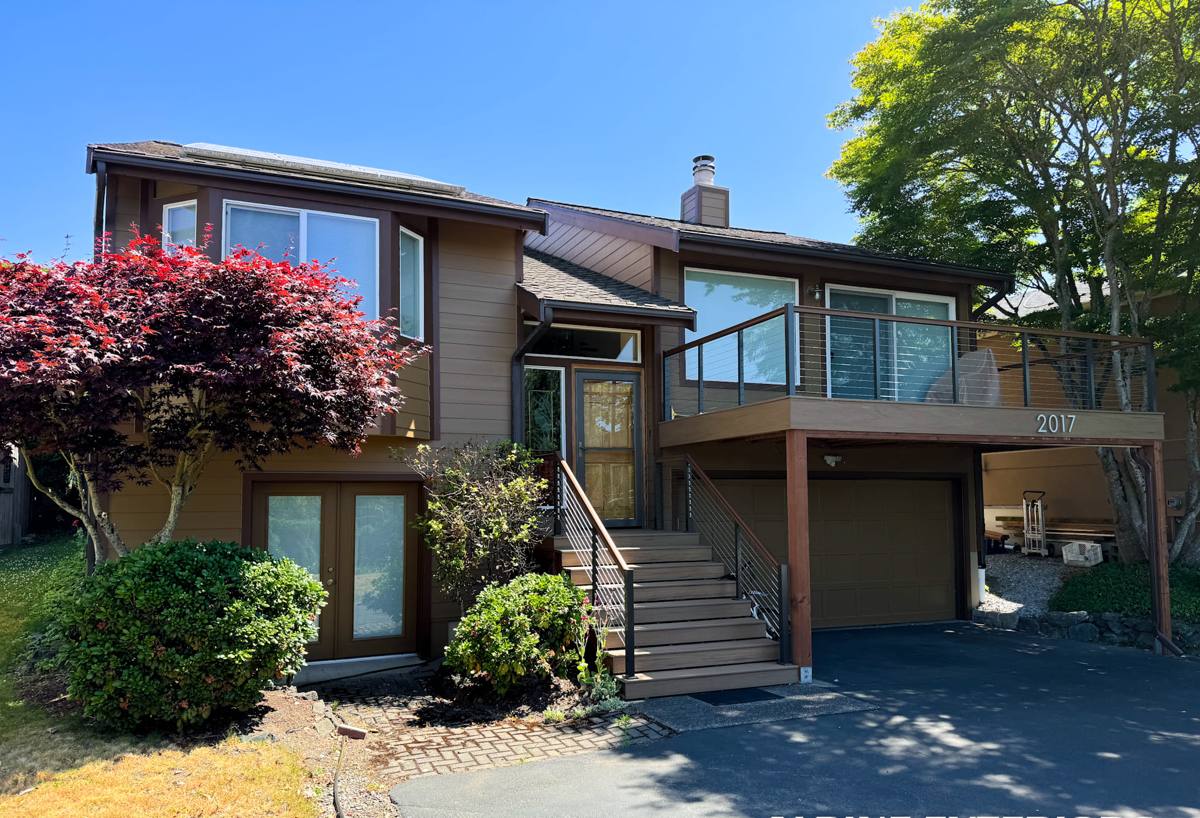
We install new roofs for homeowners throughout the Snohomish area, and Silver Firs comes with its own quirks: mature tree canopy that keeps roofs shaded and slow to dry, homes built across several different eras with different original construction standards, and a mix of ranch-style and two-story homes where roof pitch and complexity vary a lot from block to block. A correct installation plan starts with looking at your specific roof, not applying a one-size template.
What Silver Firs' Climate Actually Does to a Roof
Moss and Organic Growth
Moss doesn't just look bad — it holds moisture against the roofing material, lifts shingle edges as it grows, and can work its way under flashing over time. In Silver Firs, tree cover and long stretches of overcast, damp weather mean moss gets a longer growing window than it would in a sunnier part of the state. A new roof installed without moss-resistant strategy is fighting an uphill battle from day one.
Sustained Rain, Not Just Rain Events
The bigger issue for this area isn't any single storm — it's how many days a year the roof stays wet. Underlayment, flashing details, and ventilation all matter more when materials rarely get a chance to fully dry out between rain events. Corners that would be fine in a drier climate — a slightly undersized flashing lap, a skipped ice-and-water barrier at a valley — become the spots where leaks eventually start here.
Salt Air Exposure
Proximity to Puget Sound means many homes in the greater Snohomish area, including neighborhoods like Silver Firs, deal with some level of salt-laden air moving inland. Salt air accelerates corrosion on exposed metal — nails, flashing, vents, and gutter hardware — faster than it would inland. Material choice and fastener quality matter more here than in a landlocked climate.
Signs a Silver Firs Home Actually Needs a New Roof
Not every roof problem calls for full replacement. Before recommending a new roof, we look for signals that repair has stopped being the right answer:
- Granule loss heavy enough that you can see bare or shiny patches on asphalt shingles
- Multiple layers of moss or lichen that keep coming back after cleaning
- Curling, cupping, or cracked shingles across large sections rather than one isolated spot
- Soft or spongy decking felt underfoot in the attic or visible sagging from the ground
- Daylight visible through the roof deck from inside the attic
- Repeated leaks in different spots after previous patch repairs
- A roof that's approaching or past the manufacturer's expected service life for its material
If your roof is showing one or two of these, a targeted repair may still make sense. If it's showing several at once, replacement usually costs less over the next five to ten years than continuing to chase leaks.
Choosing a Roofing System for This Climate
There's no single "best" roofing material for every home — it depends on your roof's pitch, your home's structure, your budget, and how much long-term maintenance you're willing to do. Here's how the common options stack up for a wet, moss-prone, moderately salt-exposed environment like Silver Firs:
| Material | Moss/Moisture Resistance | Maintenance | Typical Lifespan |
|---|---|---|---|
| Architectural asphalt shingle | Good with algae-resistant granules; needs periodic cleaning | Low to moderate | 25–30 years |
| Standing seam metal | Excellent — sheds moisture fast, little surface for moss to grip | Low | 40–50+ years |
| Composite/synthetic shingle | Good; resists moisture absorption better than wood | Low | 30–50 years |
| Cedar shake | Requires active upkeep to resist moss and rot in this climate | High | 20–30 years with upkeep |
We don't install cedar shake as a standard offering. It can look great, but in a climate with this much sustained moisture, keeping it moss-free and rot-free requires a maintenance schedule most homeowners don't keep up with — and when that upkeep lapses, the failures show up in the decking underneath, not just the shakes themselves. We'd rather steer you toward a material that performs well with normal seasonal care.
What a Correct New Roof Installation Actually Involves
A new roof is more than laying new shingles over what's there. For this climate, the details underneath the visible surface are what determine whether the roof performs for its full expected life.
Full Tear-Off
We remove the old roofing down to the deck rather than layering over it. This lets us inspect the actual condition of the decking, catch soft spots or rot before they're sealed under a new roof, and confirm nailing patterns meet current code — none of which is possible with an overlay.
Deck Repair
Any decking that's soft, delaminated, or water-damaged gets replaced before anything new goes down. Installing new roofing over compromised decking just relocates the problem a few years down the road.
Ice-and-Water Barrier at Vulnerable Points
Valleys, eaves, and roof penetrations get self-adhered waterproof underlayment, not just standard felt. Given how much of the year this area spends wet, these are the spots where a roof is most likely to leak if underlayment coverage is minimal.
Flashing Done Right
Step flashing at walls, counterflashing at chimneys, and properly lapped flashing at valleys and penetrations are where most roof leaks actually originate — not the field shingles themselves. We use corrosion-resistant flashing material given the area's salt-air exposure, and we don't reuse old flashing just to save a step.
Ventilation
Balanced intake and exhaust ventilation keeps the attic close to outdoor temperature and humidity, which slows moss growth on the roof surface and prevents moisture buildup that leads to deck rot from underneath. A roof can be installed perfectly and still underperform if the attic beneath it is trapping moisture.
Our Installation Process
- On-site inspection and estimate. We walk the roof (or use appropriate access for steep pitches), check the attic for ventilation and moisture issues, and give you a written scope and price — no surprise add-ons discovered mid-job that weren't discussed upfront.
- Material selection. We go over the options that fit your roof's pitch, your home's style, and your budget, including honest trade-offs between them.
- Scheduling around weather. Given how much rain this area gets, we plan installation windows carefully and use temporary protection if weather moves in mid-project.
- Tear-off and deck inspection. Old roofing comes off, decking gets inspected and repaired as needed.
- Underlayment and flashing installation. Waterproof barriers go in at valleys, eaves, and penetrations; flashing is installed or replaced at every wall, chimney, and vent.
- Roofing material installation. Installed to manufacturer specification, including nailing pattern and exposure — the details that actually determine wind and warranty performance.
- Ventilation check and final walkthrough. We confirm intake and exhaust venting is balanced, clean up the site, and walk the finished roof with you.
Cost Factors for a New Roof in Silver Firs
Every roof is different, so a real number only comes from an on-site look. The factors below are what actually move the price:
| Factor | Why It Matters |
|---|---|
| Roof size and pitch | Steeper roofs take longer to work safely and use more material for the same footprint |
| Number of layers to remove | Tear-off cost rises with each existing layer of roofing material |
| Decking condition | Rot or soft spots found during tear-off require replacement before new roofing goes on |
| Material choice | Asphalt, composite, and metal carry different material and labor costs |
| Roof complexity | Valleys, dormers, skylights, and chimneys each add flashing work and labor time |
| Ventilation upgrades | Adding or correcting intake/exhaust venting is often worth doing at the same time as replacement |
As a broad range, homeowners in this area typically see new roof costs anywhere from the high single-digit thousands for a smaller, simpler asphalt roof up to well into the five figures for larger homes, steeper pitches, or premium materials like standing seam metal. That's a wide range on purpose — anything more specific without seeing the roof would be a guess.
Why It Matters That We Already Work in Silver Firs
A crew that regularly works this neighborhood already knows the tree cover patterns that keep certain roof faces shaded and slower to dry, the age range of homes and what original construction from that era typically looked like underneath, and how local moss and moisture issues tend to show up before they become bigger problems. That local pattern recognition means fewer surprises during tear-off and a scope of work that's realistic from the first estimate — not a lowball number that grows once the roof is opened up.
We're also familiar with Snohomish County permitting requirements and inspection expectations, which keeps the project moving instead of stalling on paperwork.
What to Check Before Hiring Anyone for a Roof Replacement
- Current Washington contractor license and liability insurance, verifiable independently
- A written estimate that spells out material, underlayment type, and flashing scope — not just a lump-sum number
- Clear answers about how they handle deck repair if rot is found once tear-off starts
- A stated plan for weather delays and site protection, given how often it rains here
- Manufacturer certification if you're considering a material with a manufacturer-backed warranty
- Willingness to walk the finished roof with you before calling the job complete
If a contractor is vague on any of these, that's worth pausing on before signing anything.
If your roof in Silver Firs is showing its age or you're just trying to understand your options before it becomes an emergency, we're happy to take a look and put together a straightforward, no-pressure estimate. Use the form below to get started.