 Snohomish
 Metal Roofing in Maltby: Built for the Conditions Here
Maltby sits in a stretch of Snohomish County that's still heavily wooded — big conifers, long driveways cut through the trees, and roofs that spend a good part of the year under shade and dripping canopy. That combination matters more than most homeowners realize when it comes to picking and installing a roof. A metal roof that's correctly specified and installed for this kind of lot will shed the region's driving rain, resist the moss that thrives in shaded, damp conditions, and hold up through decades of Pacific Northwest winters. One that's installed generically, without accounting for the tree cover and moisture load specific to a property like this, tends to show problems early — moss buildup in valleys, panel staining, and fastener issues that a coastal or open-lot installer might never encounter.
This page covers what a metal roof needs to do on a Maltby home specifically, what correct installation looks like, and how our process works from first look to finished roof.
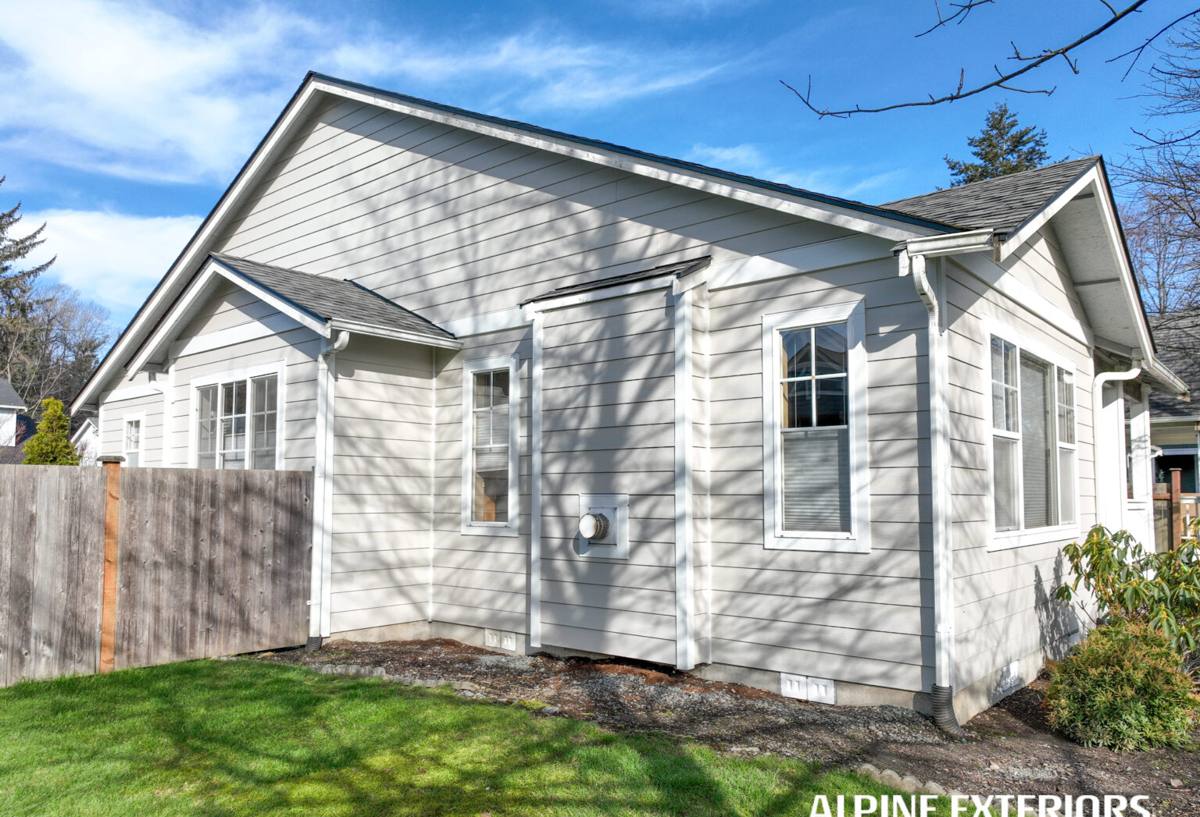
What Maltby's Climate Actually Does to a Roof
Snohomish County doesn't get hurricane-force weather, but it gets something arguably harder on a roof over time: sustained wet weather, moss-friendly shade, and periods of marine air moving up from the Puget Sound basin that keep everything from drying out fully between rain events. On a wooded Maltby lot, that shows up as a few specific, predictable problems:
- Moss and organic growth — shaded roof sections, especially north-facing slopes and areas under overhanging branches, stay damp long enough for moss to take hold. On composition roofing this lifts shingles; on metal it's mostly cosmetic if the panel and finish are right, but it still needs to be planned for.
- Needle and debris buildup — conifer needles collect in valleys and behind snow guards or trim, holding moisture against the panel longer than open water would.
- Driving rain under wind — even without severe storms, wind-driven rain finds any gap in flashing or underlap. Metal roofing done right is actually one of the best defenses against this, but only if the flashing detail is correct.
- Slow-drying conditions — shade and canopy mean roof surfaces can stay damp for days after a system moves through, which is exactly the environment where a poor fastening or sealant choice fails first.
None of this is unusual for the area — it's just the reality of a wooded Snohomish County lot, and it should shape how the roof is built, not just what material goes on it.
Standing Seam vs. Exposed Fastener: What's Right for a Wooded Lot
Both systems are legitimate metal roofing options, and both are used successfully on homes in this area. The right call usually comes down to budget, roof pitch, and how much you want to think about maintenance later.
| Factor | Standing Seam | Exposed Fastener |
|---|---|---|
| Fastening | Hidden clips, no exposed screws through the panel face | Screws through the panel face with rubber-washer seals |
| Long-term maintenance | Very low — no fasteners to re-seat or reseal | Washers and screws should be checked periodically as they age |
| Performance in wet, shaded conditions | Excellent — fewer penetration points for moisture to find | Good, but washer seals are the first thing to watch on a damp, tree-covered roof |
| Upfront cost | Higher | More affordable |
| Best fit | Lower-slope sections, long unbroken runs, homeowners who want minimal upkeep | Steeper roofs, outbuildings, budget-conscious projects |
On a heavily treed Maltby property, we lean toward recommending standing seam wherever the budget allows, simply because it removes one more thing to maintain on a roof that's already dealing with shade, moisture, and debris. That said, a well-installed exposed-fastener roof with quality washers holds up fine here too — it just asks a little more of the homeowner over the years.
Panel Material and Finish
Steel and aluminum both work in this climate. Steel is common and cost-effective when it has a quality factory finish; aluminum resists corrosion a step further and is worth considering on properties closer to open water where salt-laden air is more of a factor. For most inland Maltby lots, a good factory-finished steel panel with the correct coating is the practical, proven choice — we'll talk through the trade-off honestly rather than upsell a material your specific lot doesn't need.
What a Correct Metal Roof Installation Actually Involves
Metal roofing gets a reputation for being "install and forget," and that's true — but only when the layers underneath it are done right. Most metal roof problems we get called out to fix trace back to shortcuts in the parts you can't see once the panels are on.
- Deck inspection first — metal only performs as well as what it's fastened to. Any soft, water-damaged decking gets replaced before panels go on, not covered up.
- Underlayment matched to climate — a high-temp, self-adhering or synthetic underlayment rated for sustained moisture exposure, not a generic felt that degrades under long wet cycles.
- Flashing at every transition — valleys, chimneys, skylights, and wall intersections are where wind-driven rain actually gets in. This is the single most skill-dependent part of a metal install.
- Proper panel overlap and fastening pattern — manufacturer specs exist for a reason; fastener spacing and torque affect both wind performance and long-term seal integrity.
- Ventilation — a metal roof over a poorly ventilated attic can trap condensation underneath the panel, which looks like a roof leak but is a ventilation problem. We check this as part of the job, not as an afterthought.
Moss and Debris Management on Shaded Roofs
Because moss and needle buildup are the realistic long-term issue on wooded lots like this, we account for it at the design stage rather than leaving it as a maintenance surprise:
- Panel profile and finish selection that resist organic growth better than rough or highly textured surfaces.
- Valley and eave detailing sized to actually shed needles and debris rather than trap them.
- Snow and debris guard placement that doesn't create hidden pockets where moisture sits.
We won't tell you a metal roof never needs attention on a shaded Maltby lot — it will still benefit from an occasional gutter and valley clearing, especially in fall. What good installation does is make that maintenance minor and infrequent instead of urgent.
Our Process
1. On-Site Assessment
We look at the existing roof, deck condition, tree cover, slope, and how water currently moves across the roof — not just a quick measurement from the ground.
2. Honest Scope and Options
You get a clear rundown of panel and system options for your specific roof, with real trade-offs explained — not just the most expensive option pitched hardest.
3. Tear-Off or Overlay Decision
Metal can sometimes go over an existing roof if the deck and code allow it, but on a lot with moisture concerns we're conservative here — if there's any doubt about what's underneath, we recommend tear-off so we're not sealing a problem in.
4. Installation
Deck repair as needed, correct underlayment, flashing detail at every transition, and panels installed to manufacturer fastening spec — with ventilation checked before we close it up.
5. Walkthrough and Cleanup
We walk the finished roof with you, cover care basics specific to your lot, and leave the site clean.
Why a Crew That Already Works Maltby Matters
Metal roofing installation quality is skill-dependent, and local familiarity adds a practical layer on top of that. Crews who regularly work wooded Snohomish County lots know what to expect from tree-adjacent access, understand how local permitting and inspection work for this area, and have already seen how roofs in this specific microclimate age — which valleys collect debris, which orientations hold moss, where flashing tends to get shortcut on rush jobs. That's the difference between a roof that's technically installed and one that's installed for the property it's actually on.
Maintenance Checklist for a Metal Roof on a Wooded Maltby Lot
- Clear needles and debris from valleys and gutters at least once a year, typically in fall.
- Check for overhanging branches that keep sections of roof shaded and damp longer than necessary.
- Look at fastener washers periodically if you have an exposed-fastener system.
- Confirm attic ventilation isn't blocked by insulation or debris.
- Address any moss buildup gently — avoid pressure washing directly against seams or fasteners.
Cost Factors to Expect
Metal roofing costs more upfront than asphalt composition roofing, and pricing varies by panel system, roof complexity, and current roof condition. Rather than quote a number that won't reflect your actual roof, here's what tends to move the price:
- Standing seam vs. exposed fastener (standing seam costs more due to labor and hardware).
- Roof pitch, number of valleys, and penetrations like chimneys or skylights.
- Whether the existing roof needs tear-off and deck repair versus a straightforward install.
- Steel vs. aluminum panel choice.
We'll walk your roof and give you real numbers for your property rather than a broad estimate that doesn't hold up once the job starts.
If you're weighing metal roofing for a home in Maltby, we're glad to take a look and talk through what actually makes sense for your lot, your budget, and how long you plan to be in the house. Use the form below to request a free, no-pressure estimate.