 Snohomish
 Why Lake Stevens Homes Need a Different Siding Conversation
Lake Stevens sits in a pocket of Snohomish County that takes weather from two directions: marine air pushing in off Puget Sound and the lake's own microclimate holding moisture close to the ground longer than you'd expect. That combination means siding here deals with more than just "rain." It deals with driving rain that hits at an angle during fall and winter storms, salt-tinged air that corrodes fasteners and finishes over time, and a moss season that can run eight months or longer on shaded, north-facing walls. Any siding product installed on a Lake Stevens home has to survive all three at once, year after year, not just look good on installation day.
We install exclusively James Hardie fiber cement siding, and this page explains what that decision means specifically for homes in and around Lake Stevens — what the climate actually does to a wall, what a correct fiber cement job looks like here, and why local experience matters as much as the product itself.
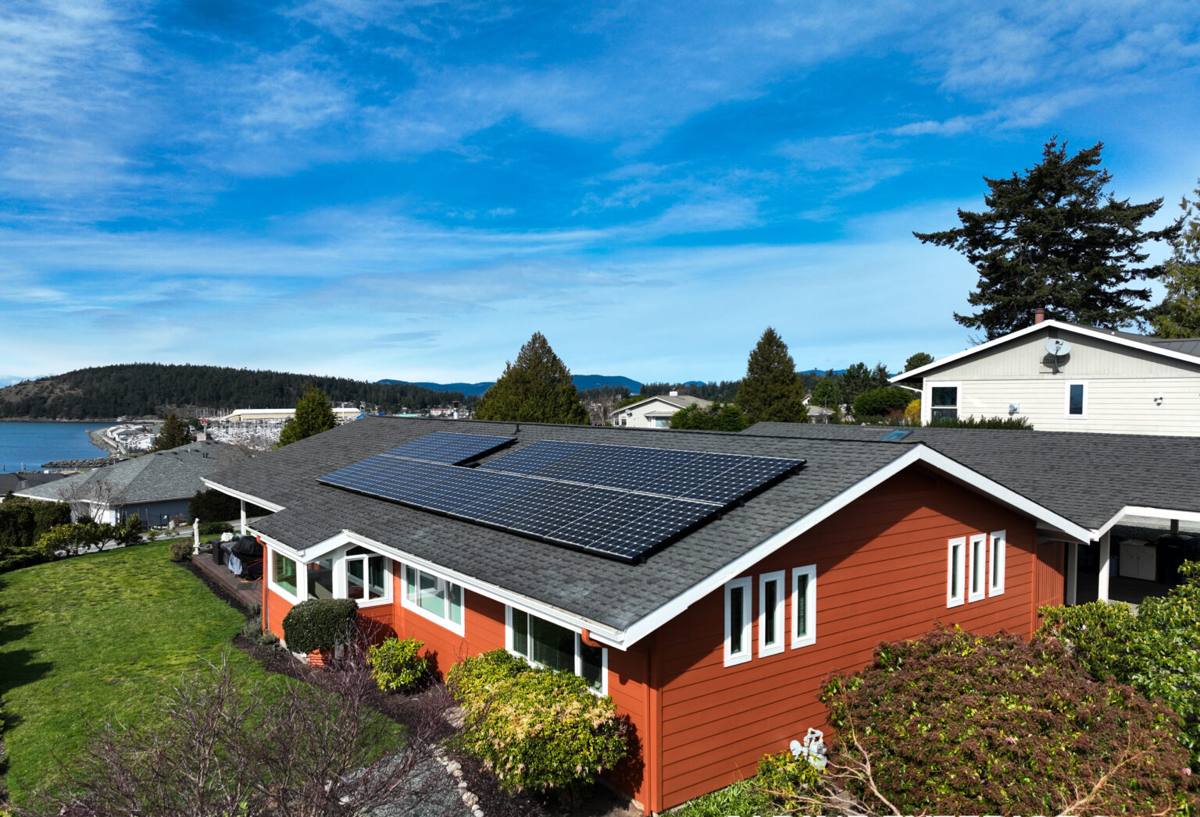
What Snohomish County's Climate Actually Does to Siding
Driving Rain and Wind-Driven Moisture
Lake Stevens doesn't just get rain — it gets rain pushed sideways by wind coming off the lake and the broader Puget Sound weather system. That matters because siding failures rarely start with water hitting a flat wall. They start at horizontal joints, butt seams, and penetrations where wind forces water upward and backward into places gravity alone wouldn't take it. A siding material that swells, wicks moisture, or relies on paint film alone to stay sealed is fighting an uphill battle in this kind of weather.
Salt Air and Corrosion
Being close to Puget Sound means homes here get low-level salt exposure even without being waterfront. Salt air accelerates corrosion on fasteners, flashing, and any exposed metal trim, and it degrades some paint and coating systems faster than inland climates would. Siding and trim need finish systems and fastening details that account for this, not generic installation specs written for a drier region.
Moss and Sustained Shade
Between tree cover and the region's long overcast stretches, north- and east-facing walls in Lake Stevens can stay damp for days after a storm passes. That's exactly the environment moss and mildew need. Siding that absorbs moisture or has seams where organic growth can get a foothold will show green streaking and soft spots years before a moisture-resistant product would.
Why We Standardized on James Hardie Fiber Cement
James Hardie fiber cement is engineered from cement, sand, and cellulose fiber — it doesn't rot, it doesn't provide a food source for moss and mildew the way wood-based products can, and it holds its shape and dimensions in wet-dry cycling far better than wood or wood-composite siding. It's also non-combustible, which matters increasingly for insurance conversations even outside wildfire zones. We install Hardie's HZ5 product line, which is engineered specifically for the Pacific Northwest's wet climate zone rather than a one-size-fits-all specification.
Just as important is the factory finish. Hardie's ColorPlus finish is baked on in a controlled factory environment, which gives it more consistent coverage and better adhesion than field-applied paint — a real advantage in a climate where a fresh paint job barely has time to cure before the next wet stretch rolls in.
Why We Don't Install Everything on the Market
Homeowners in Lake Stevens sometimes ask about vinyl, LP SmartSide, or other fiber cement brands because they're cheaper or more available. We understand the appeal, but here's our honest read after years of working this exact climate:
- Vinyl siding can crack in cold snaps, fade unevenly with UV exposure, and its overlapping panel design gives wind-driven rain more entry points than a properly caulked and flashed fiber cement installation.
- Wood-based composite siding (like LP SmartSide) uses engineered wood strand technology, which performs reasonably in drier climates but is more sensitive to sustained moisture exposure — exactly the condition Lake Stevens delivers for much of the year — if any edge or cut end isn't perfectly sealed and maintained.
- Other fiber cement brands (Cemplank, Allura) are legitimate cement-based products, but we've standardized on one manufacturer so our crews master one set of installation specs, one flashing system, and one warranty structure — rather than splitting expertise across products that each have their own fastening tolerances and finish systems.
This isn't about any of those products being unusable — it's about what we're willing to put our name behind given what we've seen this specific climate do to a wall over ten and twenty years.
What a Correct Fiber Cement Installation Involves
Fiber cement siding is only as good as its installation. A huge share of the "fiber cement problems" homeowners hear about trace back to installation shortcuts, not the material itself. In a climate like Lake Stevens', these details aren't optional:
Weather-Resistive Barrier and Rainscreen
A properly installed weather-resistive barrier behind the siding, ideally with a rainscreen gap, lets any moisture that does get past the siding drain and dry out instead of sitting against the sheathing. This is one of the single biggest factors in long-term wall performance in a wet climate.
Flashing at Every Penetration
Windows, doors, hose bibs, light fixtures, vents — every penetration through the siding is a potential entry point for wind-driven rain. Correct step flashing and head flashing at these points matters more here than in drier regions because the rain doesn't just fall, it gets pushed.
Fastener Spacing and Type
Hardie specifies fastener type, spacing, and placement precisely, and those specs shift slightly depending on exposure and climate zone. Corrosion-resistant fasteners matter given the salt air, and correct spacing prevents the buckling and gapping that opens joints to moisture over time.
Caulking and Joint Treatment
Butt joints, corners, and trim intersections need the right sealant, applied correctly, or they become the first failure point. We treat these as structural details, not cosmetic touch-ups.
Our Process for Lake Stevens Projects
- On-site assessment — we look at sun and shade exposure, wind direction relative to the home, existing moisture damage, and drainage around the foundation before recommending anything.
- Product and color selection — HZ5 panel or lap siding selection, ColorPlus color matched to the home and any HOA or neighborhood guidelines that apply.
- Tear-off and inspection — removing existing siding lets us check sheathing condition and address any hidden rot or moisture damage before it's covered again.
- Weather barrier and rainscreen installation — the unglamorous layer that determines how the wall performs for the next 30 years.
- Fiber cement installation — to Hardie's fastening and clearance specs, with attention to flashing at every penetration.
- Final inspection and walkthrough — checking joints, caulking, and trim details before calling the job done.
Why Local Experience Matters
A crew that has worked walls facing Lake Stevens' prevailing wind, dealt with the specific shade patterns of its tree-lined lots, and installed siding through a full Snohomish County wet season knows where the problems actually show up — not in a textbook, but on the north wall of a house two streets over. That experience shapes decisions a generic installer might miss: extra flashing at a valley that channels more water than it looks like it should, or choosing panel over lap siding on a wall that stays shaded most of the day. Hiring locally isn't just convenience — it's the difference between a spec sheet and a wall that's actually built for this climate.
Cost Factors for a Lake Stevens Fiber Cement Project
| Factor | Why It Affects Cost |
|---|---|
| Home size and wall complexity | More corners, gables, and penetrations mean more flashing and trim labor |
| Existing siding removal | Tear-off and disposal of old material adds labor beyond a direct install |
| Sheathing repair | Hidden rot or moisture damage found during tear-off may need repair before new siding goes on |
| Panel vs. lap siding | Product choice and coverage area affect material cost per square foot |
| Trim and accessory scope | Corner boards, fascia, and soffit work done alongside siding changes total cost |
| Access and site conditions | Steep lots, tree cover, or tight setbacks near the lake can affect staging and labor time |
Signs Your Lake Stevens Home May Need New Siding
- Green or black streaking that returns shortly after cleaning, especially on shaded walls
- Soft spots, bubbling, or visible warping in existing siding boards
- Paint that's peeling or failing faster than a normal repaint cycle would suggest
- Gaps opening at joints, corners, or trim where caulking has failed
- Visible water staining on interior walls near exterior corners after storms
- Siding that feels spongy or shows staining near ground level from splash-back
If you're weighing a siding project for a Lake Stevens home, we're glad to walk the property with you, point out what the climate has already done to your current siding, and give you a straightforward estimate — no pressure, no upsell games. Reach out through the form below to get started.