 Snohomish
 Machias Homes Face a Specific Set of Window Problems
Machias sits in the rural country east of Snohomish proper — wooded lots, a mix of older farmhouses and newer infill homes, and a lot more tree cover than you'll find in town. That tree cover matters more than most homeowners realize. Shade keeps homes cooler in summer, but it also keeps moisture sitting on siding, trim, and window frames far longer after a storm than it would on an open lot. Combine that with Snohomish County's long stretch of wet months, and you get a slow, steady kind of wear that shows up as soft wood, foggy double-pane glass, and frames that stick or won't latch anymore.
Unlike homes closer to Puget Sound, salt air isn't the main enemy out here — Machias is far enough inland that it's a minor factor at most. The bigger issues are driving rain that gets pushed sideways by wind off open fields, standing humidity under tree canopy, and a moss season that runs longer than most people expect, sometimes eight or nine months out of the year. Moss and algae don't just grow on roofs; they colonize window sills, trim boards, and any wood surface that stays damp, and they hold water against the material long after the rain stops.
What This Means for a Window Replacement
A window that's a perfectly good fit for a dry-climate house can fail early here if it wasn't detailed correctly for moisture. Flashing, sealant choice, and how the window ties into the surrounding siding matter as much as the window unit itself. We've seen good windows fail because of a bad install, and we've seen average windows outlast expectations because the flashing and drainage were done right. In Machias, the install detail is not optional — it's the difference between a window that lasts fifteen years and one that lasts thirty.
What "Custom" Actually Means Here
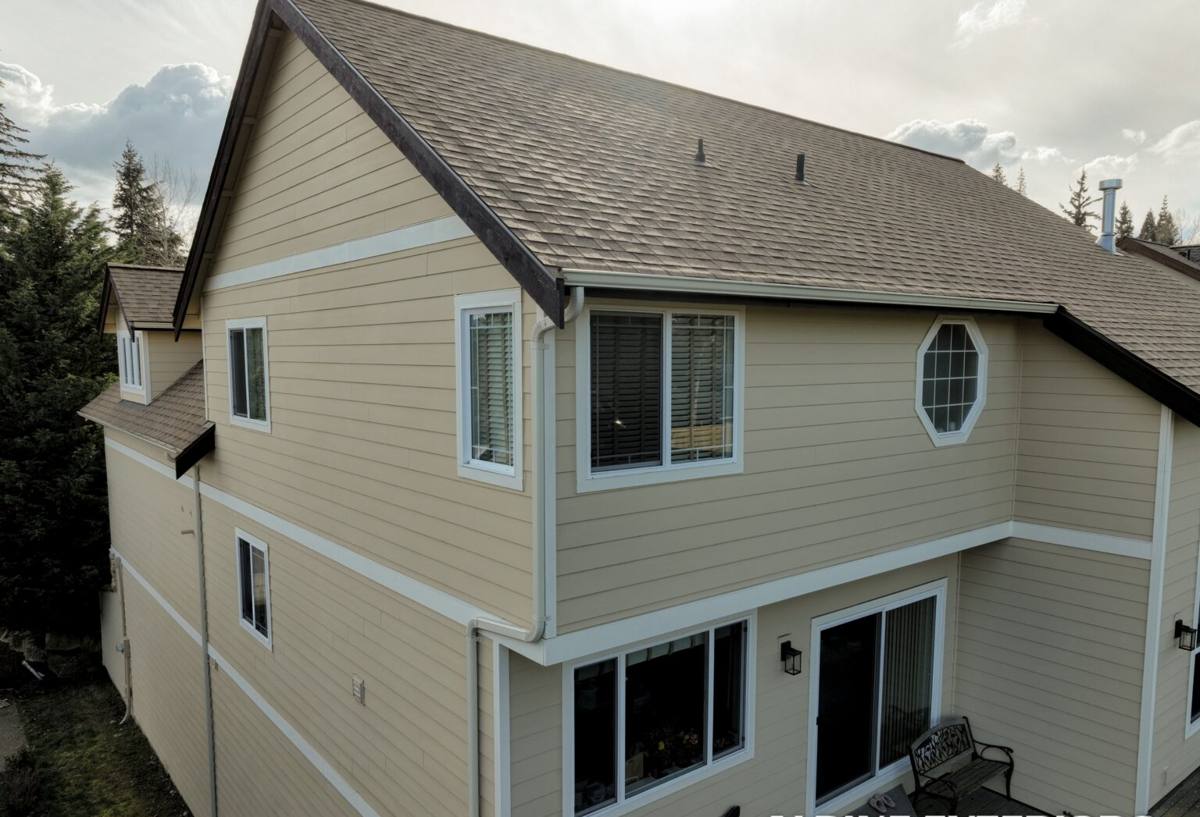
"Custom windows" doesn't mean fancy shapes or unusual glass — most of the time it means a window built to fit an opening that isn't standard anymore. This is common in the Machias area because a good share of the housing stock is older, and older openings shift over decades as a house settles.
Common Situations We Run Into
- Farmhouse-era homes with window openings that are slightly out of square, out of level, or built to sizes that predate modern manufacturing standards
- Additions or remodels where the window opening doesn't match any current stock size
- Homes where a previous owner installed windows that were slightly undersized or oversized for the rough opening, hidden behind trim
- Newer construction where the builder used a standard size but the homeowner wants a different configuration — more glass, a different operating style, or better performance
In all of these cases, a stock-size replacement window either won't fit cleanly or will need enough shimming and packing that the weather seal is compromised from day one. That's the real reason custom sizing exists as a category — it's not an upsell, it's what a correct installation actually requires.
Signs Your Current Windows Are Ready for Replacement
Most homeowners call us after noticing one or two of these, but by the time they're visible, the problem has usually been developing for a while:
- Fogging or a permanent haze between the panes of double-pane glass — this means the seal has failed and the gas fill is gone
- Windows that are difficult to open, won't stay open, or don't latch fully
- Visible gaps between the window frame and the siding or trim, especially after settling
- Soft or discolored wood on the sill, jamb, or exterior trim around the window
- Moss or dark staining building up on the sill or lower frame that comes back within weeks of cleaning
- A noticeable draft near the window even when it's fully closed and locked
- Condensation forming on the inside of the glass regularly during cold, wet weeks
Any one of these on its own might just need a repair. Several at once, especially on a window more than 20 years old, usually means the unit has reached the end of its useful life.
Full-Frame Replacement vs. Insert Replacement
This is the single biggest decision in most window jobs, and it's worth understanding before you get quotes. Both are legitimate approaches — the right one depends on the condition of the existing frame and what's causing the problem.
| Factor | Insert (Pocket) Replacement | Full-Frame Replacement |
|---|---|---|
| What it involves | New window installed inside the existing frame, which stays in place | Old window and frame removed down to the rough opening; new frame installed |
| Best suited for | Existing frame is still solid, square, and dry | Frame has rot, water damage, or is out of square |
| Access to structure | No access to sheathing or framing behind the wall | Full access — lets us check and fix flashing, sheathing, and any hidden moisture damage |
| Glass area | Slightly reduced, since new frame nests inside old one | Can match or increase original glass area |
| Typical cost | Lower | Higher, due to more labor and trim work |
| Where it matters most locally | Newer, well-maintained homes with no water intrusion history | Older Machias-area homes, or any window showing rot at the sill or jamb |
We'll tell you honestly which one your house needs after a real inspection — not before. If we open up a window opening for a full-frame job and find rot has spread into the sheathing, we stop and talk to you before going further rather than covering it up and moving on.
Frame and Glass Choices That Actually Hold Up in This Climate
Frame Material
Vinyl remains the most common choice for good reason — it doesn't rot, doesn't need repainting, and handles moisture without maintenance. Fiberglass costs more but resists expansion and contraction better across our temperature swings and holds paint longer if you want a custom color. Wood-clad windows look good and work fine when detailed correctly, but they carry more long-term maintenance burden in a climate this wet — any failure point in the cladding lets moisture reach the wood core underneath, and that's a harder problem to catch early than it is with vinyl or fiberglass. We'll install what you choose, but we'll also tell you straight what the upkeep looks like ten years out.
Glass Package
Dual-pane glass with a low-E coating and argon gas fill is the standard for good reason — it cuts heat loss, reduces condensation on the interior glass, and blocks a meaningful amount of UV. For rooms that get more weather exposure, or for homeowners who want the lowest possible energy bills and the quietest interior, triple-pane is worth pricing out, though it adds cost and weight. What we steer people away from is anything without a durable warranty-backed seal — a failed seal on a two-year-old window is a bigger headache than an older single-pane unit, because you can't just re-glaze it.
Sill and Trim Details
Given how long moss season runs here, sloped sills that actually shed water, and drip caps that direct runoff away from the siding below, matter more in Machias than they would in a drier part of the state. We build this into every install rather than treating it as an upgrade.
Our Process for a Machias Window Job
- On-site assessment. We look at every window opening in question, check for rot or moisture at the sill and jamb, and measure precisely rather than assuming stock sizes will work.
- Honest scope and quote. You'll know before we start whether it's an insert job or a full-frame job, and why, along with a written estimate.
- Ordering. Custom sizes take longer to arrive than stock windows — we'll give you a realistic timeline, not an optimistic one.
- Careful removal. We protect your landscaping and interior finishes, and we check the opening for hidden damage before the new unit goes in.
- Flashing and sealing. This is the step that determines whether the window lasts. We flash to shed water down and out, never trapping it behind the siding.
- Interior and exterior finish work. Trim, caulking, and paint or stain matched to the surrounding wall.
- Final walkthrough. We test operation and locks on every window before we consider the job done, and go over warranty coverage with you.
What Affects the Price
Every job is different, but the main cost drivers on a Machias-area window job are usually the same handful of things:
- Insert vs. full-frame replacement (full-frame runs higher due to labor and trim)
- Number of windows done at once — per-window cost typically drops when several are done in the same visit
- Custom sizing vs. stock sizing
- Frame material (vinyl, fiberglass, or wood-clad)
- Glass package (dual-pane vs. triple-pane, upgraded low-E coatings)
- Extent of any rot or hidden damage found once the opening is exposed
- Access — second-story or hard-to-reach windows take more time and equipment
We'd rather walk you through these factors on-site and give you real numbers than quote a range over the phone that doesn't hold up once we see the actual openings.
Why It Matters to Hire a Crew That Already Works in Machias
A lot of window problems in this area trace back to an install that was done fast, by a crew unfamiliar with how wet this part of Snohomish County stays for most of the year. Flashing details that work fine in a drier climate leave gaps here that moss and standing moisture find within a season or two. A crew that's already worked on homes in Machias knows what the older housing stock looks like behind the trim, knows which openings are likely to be out of square before we even measure, and knows how long moss actually takes to become a problem versus just being a cosmetic annoyance.
That familiarity doesn't replace a careful inspection on your specific house — every home is still different — but it means fewer surprises, more accurate first quotes, and a crew that isn't learning the local climate on your project.
If you're dealing with foggy glass, drafty rooms, or windows that are simply past their working life, we're happy to come take a look and give you a straightforward, no-pressure estimate. There's a form below to get that scheduled.