 Snohomish
 Deck Repair Built for Everett's Weather
Everett sits close enough to Puget Sound that salt-tinged air, near-constant fall and winter rain, and a moss season that can stretch six months or more all show up in the condition of local decks. A deck that would hold up fine in a drier climate can develop soft spots, loose framing, and slick, moss-covered boards here in just a few seasons if it isn't built and maintained with this region in mind. We repair decks across the Everett area with that reality front and center, not as an afterthought.
This page covers what Everett homeowners specifically run into with deck deterioration, what a repair job needs to include to actually last, and how we approach the work when you call us out for an estimate.
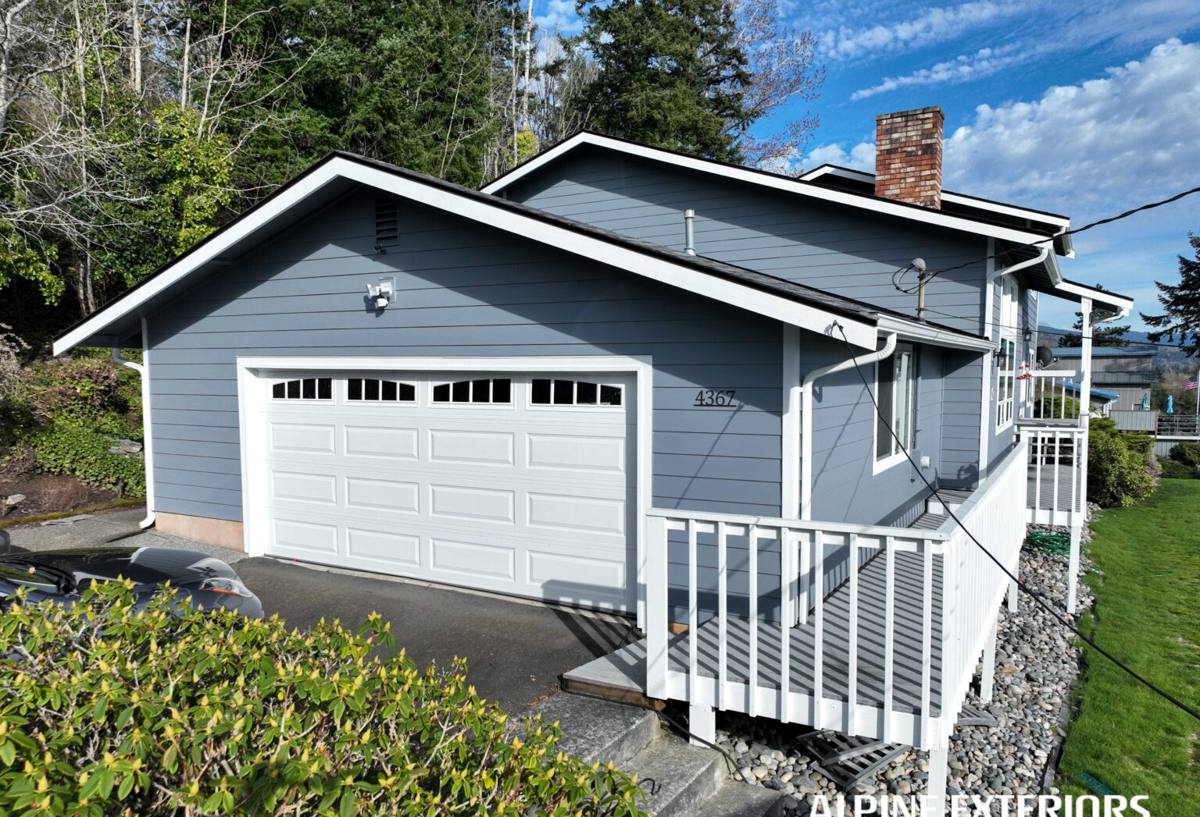
What Snohomish County's Climate Does to a Deck
Deck damage in this area rarely comes from one dramatic event. It's usually the slow, cumulative effect of moisture that never fully gets a chance to dry out.
Driving rain and standing moisture
Wind-driven rain off the Sound pushes water sideways into board gaps, ledger connections, and any spot where two pieces of framing meet. Combined with our long stretches of overcast, low-evaporation weather, wood and even composite substructures stay damp far longer than they would in a sunnier climate. That extended moisture exposure is what drives rot, fastener corrosion, and warping.
Moss and algae growth
Shaded decks, north-facing decks, and anything under tree cover develop moss and green algae film during the wet months. Beyond looking bad, moss holds moisture directly against the wood surface and makes boards genuinely slippery — a safety issue, not just a cosmetic one.
Salt-influenced air
Everett's proximity to Puget Sound means fasteners, hardware, and metal connectors are exposed to a mild but steady dose of salt in the air. Standard zinc-coated screws and joist hangers corrode faster here than they would further inland, which is a common source of hidden structural weakness on older decks.
Signs Your Deck Needs Repair
Some damage is obvious. Some isn't, which is why a lot of Everett homeowners are surprised by what we find during an inspection. Watch for:
- Boards that feel spongy, springy, or noticeably softer than the boards around them
- Persistent moss or algae staining that keeps returning after cleaning
- Railings or posts that wiggle or feel less solid than they used to
- Gaps opening up around the ledger board where the deck attaches to the house
- Rust streaking around screws, nails, or metal connectors
- Any visible daylight gap or sagging between the deck and the house wall
- A musty smell coming from underneath the deck or near the ledger
Any one of these on its own might be minor. Several together, especially near the ledger board or support posts, usually means the damage has moved from the surface into the structure.
Repair vs. Replacement
Not every deck problem calls for a full rebuild, and we don't default to recommending one. The honest breakdown usually comes down to what's failing:
| Situation | Typical approach |
|---|---|
| Isolated soft or split boards, framing otherwise sound | Board-level repair and replacement |
| Moss, algae, and surface graying with solid structure underneath | Cleaning, treatment, and refinishing |
| Loose or corroded railings and posts | Hardware and connector repair or replacement |
| Rot at the ledger board or house connection | Ledger repair with proper flashing — a structural priority |
| Widespread rot across joists, beams, or multiple support posts | Partial or full rebuild of the substructure |
The ledger board deserves special attention because it's the single point holding the deck to your house. If that connection has been trapping moisture — a common issue when flashing was missing or installed wrong originally — it gets fixed properly, not patched over, regardless of what else the deck needs.
What a Correct Repair Job Actually Involves
Getting underneath the deck, not just walking across it
A surface inspection tells you about the boards. It doesn't tell you about the joists, the ledger connection, or the post footings. We get underneath and check the framing directly, because that's where the moisture damage that actually threatens the deck's safety tends to hide first.
Fastener and hardware upgrades
Where we find corroded fasteners or connectors, we don't just replace them like-for-like — we use stainless or hot-dip galvanized hardware rated for this climate, since standard coated screws are a known weak point given the salt air and year-round moisture around Everett.
Flashing at the ledger board
If the ledger connection is being opened up for repair, proper flashing goes in as part of the job. This is the detail that determines whether that connection stays dry for the next decade or fails again in a few years.
Matching materials appropriately
Replacement boards and framing get matched to what's already there in species, dimension, and treatment level, so the repair doesn't stand out or create a weak transition point next to the original material.
Wood vs. Composite: Repair Considerations
What your deck is built from changes how it fails and how it gets fixed.
| Material | Common failure mode here | Repair approach |
|---|---|---|
| Pressure-treated wood | Rot at fastener points, ground contact, and the ledger | Sistering or replacing affected framing; refinishing exposed surfaces |
| Cedar | Graying, splitting, and moss retention on shaded sections | Cleaning, sanding, and re-sealing; selective board replacement |
| Composite decking | Substructure rot underneath sound-looking composite boards | Framing repair below deck skin, which often looks fine while joists underneath aren't |
Composite decks are a good example of why we don't just eyeball a deck from the top. The boards themselves can look nearly new while the wood framing underneath has been quietly deteriorating in the damp for years — composite doesn't rot, but it also doesn't tell you anything is wrong until a soft spot or squeak gives it away.
Our Process for Everett Deck Repair
- Inspection: We check the deck surface, railings, ledger connection, and framing underneath, and walk you through what we find in plain terms.
- Assessment and estimate: You get a clear picture of what's cosmetic, what's structural, and what your realistic options are — repair, partial rebuild, or full replacement — with honest reasoning behind the recommendation.
- Repair work: Damaged boards, framing, or hardware get replaced with appropriately treated, climate-suited materials. Ledger and flashing work is done to current standards, not patched.
- Cleanup and finish: Moss and algae are cleaned off, surfaces are prepped, and finish or sealant is applied where the job calls for it.
- Final walkthrough: We go over what was done and what maintenance will keep it in good shape going forward.
What Deck Repair Typically Costs
Costs vary a lot depending on scope, so treat these as broad starting ranges rather than a quote — every deck is different once we're underneath it.
| Repair type | General cost factor |
|---|---|
| Board replacement (few boards) | Lower — limited to material and labor for the affected area |
| Railing or post repair | Moderate — depends on how much hardware and framing is affected |
| Ledger board repair with flashing | Moderate to higher — access, flashing detail, and house-side work add time |
| Framing repair under composite decking | Higher — removing and resetting deck boards to reach the substructure |
| Full or partial rebuild | Highest — new framing, footings, and decking materials |
The two biggest cost swings are how much has to be opened up to reach the damage, and whether the ledger or footings are involved. That's exactly why we inspect before we quote instead of pricing off a quick look.
Maintenance That Keeps Repairs From Coming Back
A repaired deck stays repaired longer with a bit of regular attention, especially given our wet season:
- Sweep leaves and debris off the deck surface and out from between boards regularly in fall
- Clean moss and algae off before it builds up a thick, moisture-holding layer
- Keep gutters and downspouts directing water away from the deck, not onto it
- Check the ledger board area for gaps or staining once a year
- Reseal or refinish wood decking on the manufacturer's recommended schedule, not just when it looks faded
- Trim back vegetation that's shading the deck and keeping it damp
Why Local Experience Matters for This Job
Deck repair looks straightforward until you're the one deciding whether a ledger board needs to come apart or whether that soft spot is isolated or a symptom of something bigger underneath. A crew that repairs decks around Everett regularly has already seen how this climate specifically ages wood, hardware, and composite substructures — which fastener grades hold up, which shaded spots need extra moss attention, and where ledger flashing tends to have been skipped on older builds in this area. That local pattern recognition is what keeps a repair from becoming a repeat visit in two years.
If you're noticing soft boards, persistent moss, a wobbly railing, or you just want an honest read on whether your deck needs a repair or a rebuild, we're happy to take a look. Fill out the form below for a free, no-pressure estimate.