 Snohomish
 Why Mill Creek Homes Put Windows Through More Than People Expect
Mill Creek sits close enough to the water and the tree line that its homes take a steady beating most homeowners never fully register until a window starts failing. Salt-laden air off the Sound corrodes hardware and finishes faster than inland neighborhoods see. Driving rain, pushed sideways by winter storms, finds every gap in a poorly sealed frame. And the long moss season here does more than stain roofs and siding — it holds moisture against exterior surfaces for weeks at a time, including the window trim and flashing that keep water out of your walls.
Windows are the weak point in most building envelopes. They're where the wall system gets interrupted, where flashing has to be detailed correctly, and where a shortcut during installation shows up two or three winters later as fogged glass, soft trim, or a draft you can feel from across the room. In a climate like this one, "custom" isn't a luxury word — it means windows sized, sealed, and flashed specifically for the moisture load this property actually sees, not a generic install pulled from a catalog spec sheet.
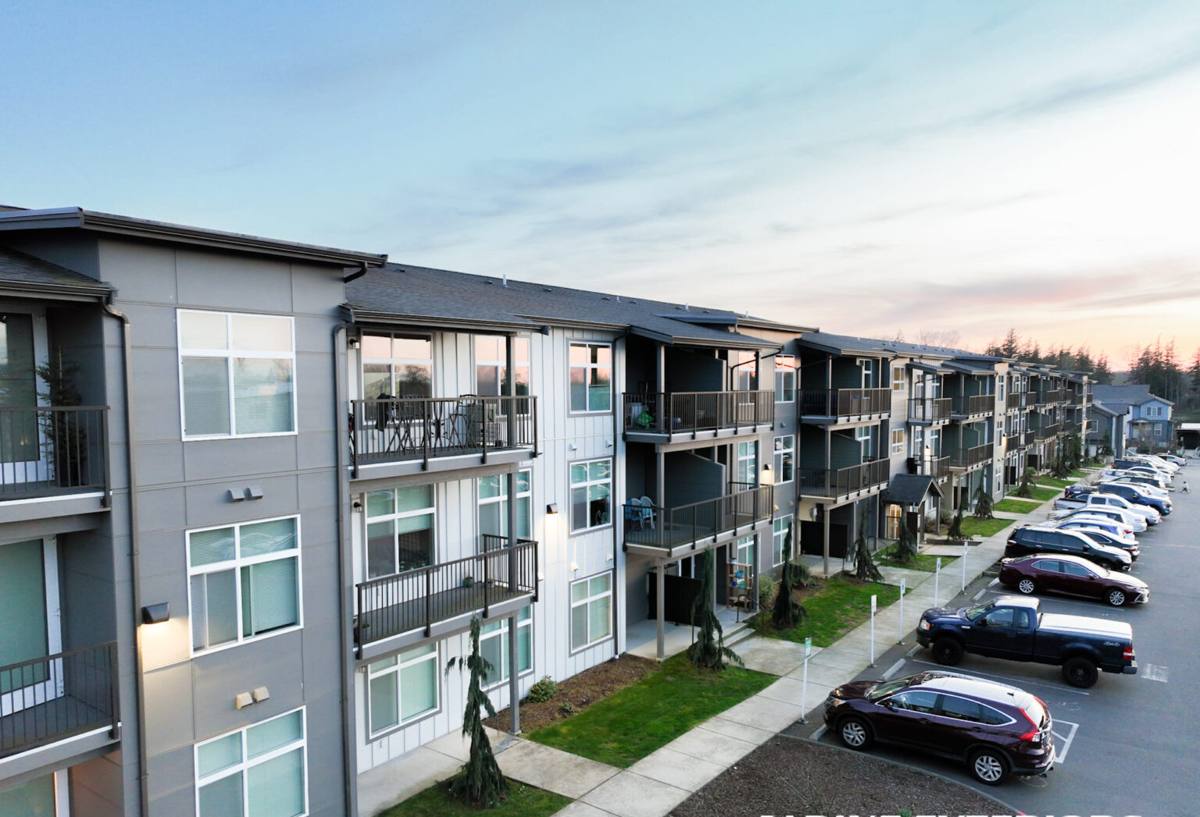
What "Custom" Actually Means Here
Custom windows aren't just about shape or a non-standard opening. For a Mill Creek home, custom means the whole assembly is matched to the wall it's going into.
Fit, Not Just Size
Older homes in this area often have openings that have shifted slightly over decades of settling and seasonal moisture cycling. A true custom window is measured and built to that actual opening — not forced into a stock size with shims and extra caulk covering the gap. Gaps filled with sealant instead of proper framing are exactly where wind-driven rain gets in.
Frame Material Matched to Exposure
A window on the weather side of a house facing prevailing storms needs different attention at the sill and flashing than one tucked under an eave on a protected wall. We factor in sun exposure, wind exposure, and roof overhang when we talk through material and glazing options — not just what looks good from the street.
Flashing and Water Management Built In
This is the part that doesn't show up in a showroom. Correct window installation depends on how the window integrates with the house wrap, flashing tape, and sill pan underneath it — details that determine whether water sheds away from your framing or gets trapped behind the siding. We treat this as the actual scope of the job, not an afterthought after the window is set.
Signs Your Current Windows Are Losing the Battle
Homeowners usually notice a problem well after it started. Here's what to watch for, especially on walls that catch the worst of the weather:
- Condensation or fogging between the glass panes — the seal has failed and the insulating gas is gone
- A noticeable draft near the frame even when the window is fully latched
- Soft, discolored, or spongy trim and sill wood, especially at the bottom corners
- Paint or finish bubbling on the interior or exterior trim
- Visible black or green staining on the siding directly below the window — often a sign water is running down the wall instead of away from it
- Windows that are hard to open, close, or lock, which can mean the frame has swollen or shifted
- A musty smell near the window on damp mornings
Any one of these on its own might be minor. Several together, especially on the same wall, usually means water has been getting past the window assembly for a while.
Frame and Glazing Options — An Honest Comparison
There's no single "best" window for every house. The right choice depends on your budget, how much upkeep you want to do, and how exposed the wall is. Here's how the common options compare for a marine climate like this one.
| Frame Type | Moisture Resistance | Maintenance | Typical Lifespan |
|---|---|---|---|
| Vinyl | Good — won't rot, but seals and hardware need proper installation | Low | 20–30 years |
| Fiberglass | Very good — dimensionally stable in wet/dry cycles | Low | 30-plus years |
| Wood (clad exterior) | Good on the exterior face; interior wood still needs protection from interior moisture | Moderate — periodic finish upkeep on interior wood | 20–30 years with upkeep |
| Aluminum | Fair — prone to condensation and thermal transfer in cold, damp weather without a thermal break | Low | 20–25 years |
For most Mill Creek homes dealing with salt air and sustained damp weather, we lean toward vinyl or fiberglass on exposed walls because they don't give moisture anything to work on over time. Where a homeowner wants the look of real wood, we'll talk through what that maintenance commitment actually looks like here rather than downplaying it — a wood-interior window left unfinished too long in a wet climate is a warranty and rot risk, not a defect in the product itself.
Glass Packages Worth Discussing
Double-pane, low-E glass is the practical baseline for this area — it cuts heat loss and helps control condensation on cold, damp mornings. Triple-pane adds cost and weight and is worth it mainly on north-facing or heavily exposed walls where the extra insulating value earns its keep. We'll tell you plainly when triple-pane is worth the upcharge and when it isn't for your specific opening.
How Our Custom Window Process Works
1. On-Site Assessment
We look at the actual wall, not just the window. That includes checking the existing flashing, sill condition, and any signs of past water intrusion before we talk about replacement.
2. Measurement and Material Selection
Openings are measured precisely, and we walk through frame material, glazing, and hardware options based on that wall's real exposure to sun, wind, and rain.
3. Removal Without Collateral Damage
Old windows come out carefully so we can inspect the rough opening for hidden rot or moisture damage before anything new goes in. If we find a problem behind the old window, we address it before installation — not after.
4. Proper Flashing and Sealing
This is the step that determines whether the job lasts. Sill pans, flashing tape, and house wrap integration are done in the correct sequence so water is directed out and away from your framing, not sealed in behind the new window.
5. Final Fit and Weatherproofing
Windows are shimmed, leveled, and insulated around the frame, then trimmed and sealed on the exterior with materials rated for sustained wet exposure.
6. Walkthrough
We show you the finished work, confirm every window operates and locks correctly, and explain anything specific to your home's maintenance going forward.
Windows and Siding Work Together — Or They Don't
Because we're a siding contractor first, we see window failures from the outside in more often than most window-only installers do. A window installed without proper flashing integration into the surrounding siding is one of the most common sources of hidden wall rot we find — usually well after the original installer is long gone. When we install or replace windows on a home where we're also doing siding work, we treat the two as one connected water-management system, because that's what they actually are on the wall.
If you're only replacing windows and not touching the siding, we still inspect and correct the flashing detail at each opening so it ties in properly with what's already there, rather than just caulking the gap and calling it finished.
What Affects the Cost of a Custom Window Project
Every home is different, so we won't quote a number without seeing the openings, but these are the main factors that move the price up or down:
| Factor | Why It Matters |
|---|---|
| Number of openings | More windows means more material and labor, but per-unit cost usually drops on larger jobs |
| Frame material | Vinyl is typically the most budget-friendly; fiberglass and clad wood cost more upfront |
| Non-standard sizes or shapes | True custom sizing costs more than stock sizes but avoids forcing a window into the wrong opening |
| Condition of the rough opening | Hidden rot or water damage found during removal adds repair work before the new window goes in |
| Exposure level | Walls facing prevailing wind and rain may warrant upgraded flashing detail or glazing |
| Access | Second-story or hard-to-reach openings add labor time |
Why Hiring a Crew That Already Works in Mill Creek Matters
Window installation done wrong doesn't usually fail on day one — it fails two or three wet seasons later, once caulk shrinks, flashing that was never properly lapped starts letting water behind the wall, and rot sets in where nobody's looking. A crew that works this area regularly already knows how prevailing wind and rain hit different orientations around Snohomish County, and builds every installation assuming a wet winter is coming, because it always is.
We're not guessing at what "durable enough" means for this climate — we're basing it on what we see when we open up walls on older homes nearby that had windows installed by someone unfamiliar with what this weather actually does over time. That's the difference between a window that looks fine at handoff and one that's still performing after a decade of salt air and moss season.
Simple Maintenance That Extends the Life of New Windows
- Rinse salt residue off frames and glass a few times a year, especially on walls facing open water or wind
- Clear debris and moss buildup from window sills and nearby trim before it holds moisture against the surface
- Check that exterior caulking at the trim edges is intact each fall before the wet season sets in
- Operate locks and hardware periodically so they don't seize from disuse or corrosion
- Watch for condensation between panes — it's the earliest sign a seal is starting to fail
If your windows are drafty, fogging, or just original to a house that's due, we're happy to take a look and give you a straight, no-pressure assessment of what's actually going on. Use the form below to request a free estimate for your Mill Creek property.