 Snohomish
 Why Edmonds Homes Ask for Windows Built Differently
Edmonds sits close enough to Puget Sound that salt-laden air, wind-driven rain, and a moss season that can run eight months a year all show up in the same window opening. Homes just a few miles inland in Snohomish County deal with plenty of rain too, but the combination of marine air and exposure that many Edmonds properties get — especially anything on a slope, near open water, or under heavy tree cover — accelerates wear on window frames, seals, and trim in ways that generic window shopping guides don't address. A window that's "fine" in a dry inland climate can fail early here if it wasn't specified and installed with this exposure in mind.
This page is about one job done right in one area: custom window replacement and installation for homes in and around Edmonds. Not a catalog page, not a national pitch — just what actually matters when you're choosing windows for a house that has to shed salt spray, shrug off driving rain, and resist moss and mildew load year after year.
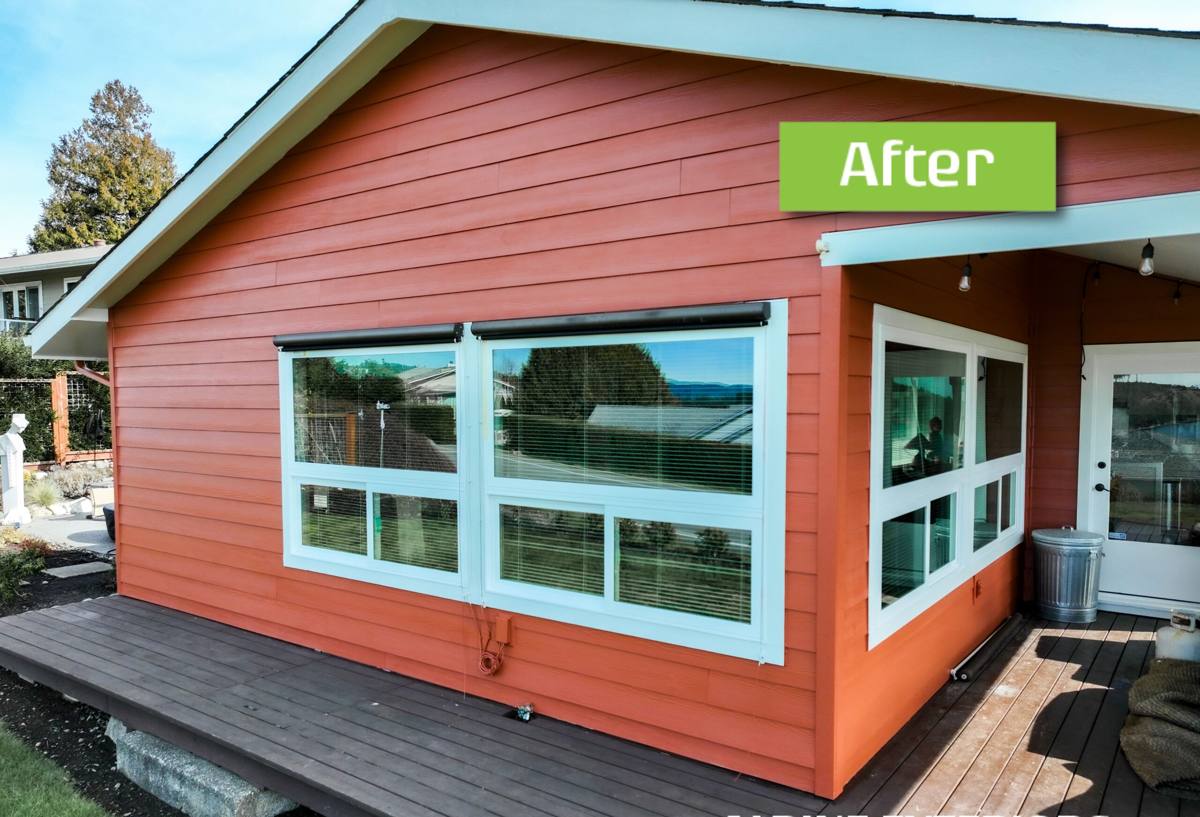
What Salt Air, Rain, and Moss Actually Do to a Window
Salt Air and Hardware Corrosion
Salt-laden air doesn't just affect homes right on the waterfront — prevailing winds carry fine salt particulate well inland, and it settles on anything exposed: window hardware, screen frames, exterior trim, and unprotected fasteners. Over years, this accelerates corrosion on cheaper hinges, locks, and cranks, and it can pit lower-grade aluminum cladding. It's one of the reasons hardware quality and finish matter more here than the spec sheet price tag suggests.
Driving Rain and Water Intrusion
Wind-driven rain doesn't fall straight down — it gets pushed sideways into wall assemblies, and a window opening is the single most likely place for water to find a path inward if flashing and sealant details are wrong. Most window "failures" we get called out for aren't the glass or the sash — they're water finding its way behind the frame because the opening wasn't flashed correctly, whether the window itself was a good product or not.
Moss, Mildew, and a Long Wet Season
A moss season that stretches most of the year means constant low-grade moisture sitting against exterior surfaces — trim, sills, and anywhere water can pool instead of shed. Wood components that aren't properly primed, sealed, or detailed with drainage in mind will hold moisture, and that's where rot starts, usually at the sill first. This is a maintenance and detailing issue as much as a product issue.
What a Correct Custom Window Installation Actually Involves
"Custom" isn't a marketing word here — it means the window is sized, specified, and detailed for the actual opening and actual exposure of your home, not a stock size forced into a rough opening with extra caulk.
Flashing and Water Management First
Before the window itself matters, the opening has to be prepped correctly: proper flashing tape or pan flashing at the sill, integration with the home's weather-resistive barrier, and a drainage path so any water that does get behind the cladding has somewhere to go besides your wall framing. This step is invisible once the job is done, and it's the single biggest factor in whether a window leaks in five years or in twenty-five.
Frame Material Suited to the Exposure
Vinyl, fiberglass, wood-clad, and aluminum all perform differently in a marine, high-rain climate. We'll walk through the trade-offs below, but the short version: the right material depends on your home's exposure, your maintenance appetite, and your budget — not just which one looks best in a showroom.
Glass and Seal Specification
Double-pane, low-E, argon-filled units are the baseline we recommend for this climate — the insulating value matters for comfort and energy bills, and a quality seal matters even more here because failed seals show up as fogging between panes, which is common on older or lower-grade units after years of moisture cycling.
Comparing Window Frame Materials for Coastal PNW Homes
| Material | How It Handles Salt Air & Rain | Maintenance | Typical Fit |
|---|---|---|---|
| Vinyl | Won't corrode; performs well against salt air, but seams and welds need to be quality-checked | Low — occasional cleaning | Budget-conscious replacement, rental properties, most home styles |
| Fiberglass | Excellent dimensional stability in wet, temperature-swinging climates; resists warping | Low — paintable if you want to change color later | Homes wanting long-term performance without wood upkeep |
| Wood-clad | Good performance if cladding and flashing details are correct; exposed wood interior needs protection from interior humidity too | Moderate — exterior clad, interior wood may need occasional attention | Historic or traditional-style homes where wood interior trim matters |
| Aluminum | Can pit or corrode over time in salt air unless properly finished; conducts heat/cold more than other frames | Moderate — finish matters a lot here | Modern architectural styles, larger openings |
We don't push one material on every job. A shaded, wind-sheltered lot a few blocks off the water has different needs than an exposed slope facing open water — the right recommendation depends on your specific site.
Our Process, Start to Finish
- On-site assessment — we look at existing window condition, sill and frame moisture, exposure direction, and any signs of past water intrusion before recommending anything.
- Honest options — we walk through material and glass choices with real trade-offs, not just the highest-margin option.
- Correct opening prep — flashing, WRB integration, and drainage detailing happen before the new window ever goes in, whether that's new construction, a retrofit, or a full-frame replacement.
- Installation and sealing — proper shimming, fastening schedule, and exterior sealant appropriate for our climate, not a generic bead of caulk.
- Final walkthrough — we check operation, weatherstripping contact, and finish details with you before we call it done.
Signs an Edmonds Home's Windows Need Attention
- Fogging or moisture visible between glass panes (a failed seal, not a cleaning problem)
- Soft or discolored wood at the sill or lower corners of the frame
- Hardware that's stiff, corroded, or won't latch fully
- Visible gaps, drafts, or daylight around the frame when the window is closed
- Moss or persistent green staining building up on sills or exterior trim
- Difficulty opening or closing that's gotten worse over a year or two
- Higher heating bills without another clear explanation
What Drives Cost on a Custom Window Job
| Factor | Why It Matters |
|---|---|
| Frame material | Vinyl is typically the most affordable; fiberglass and wood-clad cost more upfront but can offer longer service life |
| Opening condition | Rot or water damage found during removal adds repair scope before the new window can go in |
| Number and size of openings | Larger or non-standard openings cost more to size and fabricate custom |
| Full-frame vs. insert replacement | Full-frame replacement (removing down to the rough opening) costs more but is often the right call when flashing or framing issues are present |
| Glass package | Upgraded low-E coatings or specialty glass for noise or privacy add to the base cost |
We give straightforward, itemized estimates so you can see what you're paying for and where the money actually goes — not a single lump number with no breakdown.
Why It Matters That We Already Work in Edmonds
A crew that's worked Edmonds homes before already understands the exposure patterns in this area — which sides of a house take the worst driving rain, how moss builds up differently depending on tree cover and slope, and what kind of flashing and sealing details actually hold up through a full Pacific Northwest wet season. That's not something you get from a general contractor who occasionally does windows on the side, or from a big-box installer working from a single standard spec sheet regardless of climate. Local experience means fewer surprises during the job and fewer callbacks after it.
Living With New Windows in a Marine Climate
Even a correctly installed, high-quality window benefits from basic seasonal upkeep in this climate: rinsing salt residue off exterior surfaces a couple of times a year, keeping gutters and downspouts clear so water isn't backing up near window heads, and checking weatherstripping and exterior sealant every year or two for wear. None of this is heavy maintenance, but skipping it is how a 25-year window starts acting like a 10-year window.
If your windows are showing any of the signs above, or you're planning a renovation and want windows specified correctly for an Edmonds property from the start, we're happy to take a look. Reach out for a free, no-pressure estimate — use the form below to get started.