 Snohomish
 Building a Deck That Actually Holds Up in Lake Stevens
Lake Stevens sits close enough to the water — both the lake itself and the broader Puget Sound air mass moving through Snohomish County — that decks here take a different kind of beating than they would in a drier inland climate. It's not one big storm that wrecks a deck. It's months of low-grade dampness: driving rain that comes in sideways, salt-tinged marine air drifting in off the Sound, and a moss season that can run from October well into April. A deck built to a generic national spec will survive its first year or two looking fine. The problems show up in year three or four, usually as soft spots near the ledger board, black streaking on the boards, or fasteners that have started to weep rust into the wood grain.
We build and replace decks specifically for this kind of exposure. That means treating moisture management as the main design problem, not an afterthought, and picking materials and fastening methods that are rated for it rather than just priced for it.
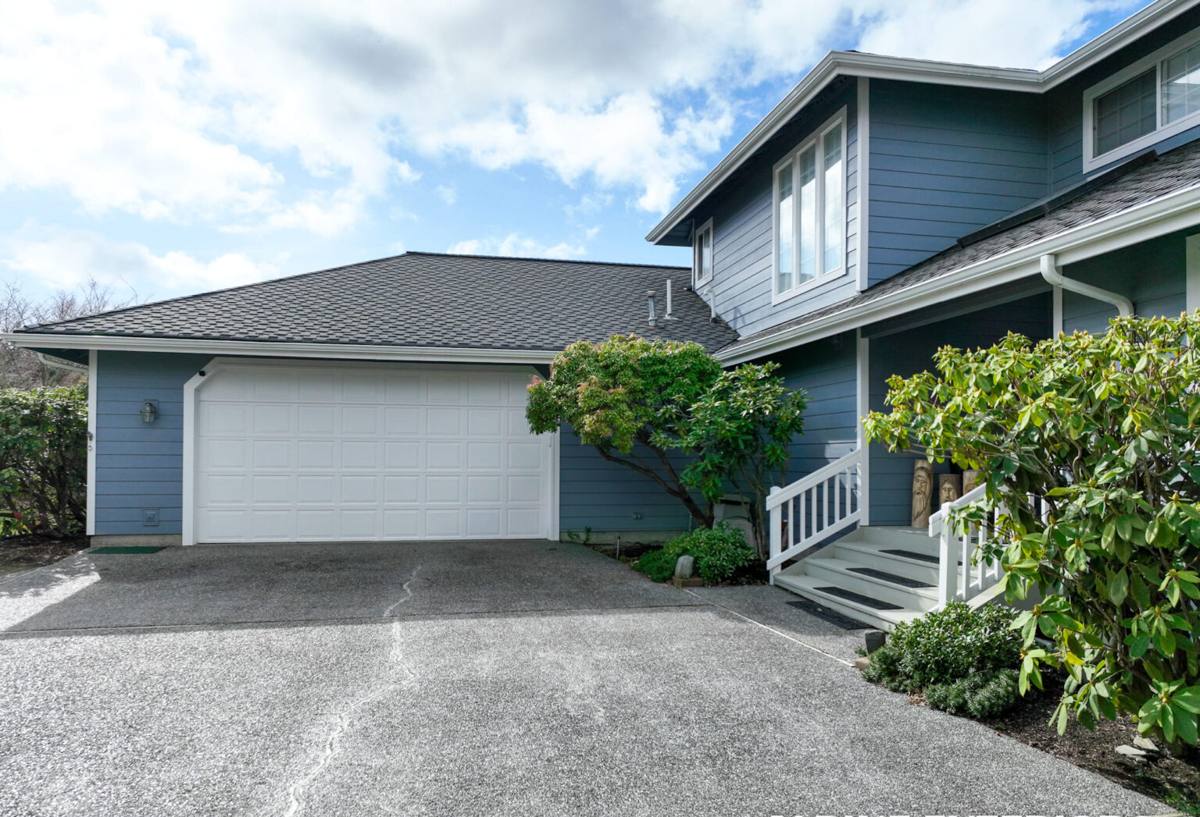
What Local Conditions Actually Do to a Deck
Driving Rain and Standing Water
Snohomish County doesn't get the heaviest rainfall totals in the state, but it gets a lot of low-intensity, wind-driven rain over a long season. That matters because wind-driven rain gets pushed into joints, under flashing, and into end grain that a straight-down rain would never reach. Any deck attached to the house needs a ledger board detail that assumes water will hit it from an angle, not just from above.
Salt Air and Fastener Corrosion
Homes closer to the water pick up a fine, persistent salt content in the air that accelerates corrosion on anything less than a properly coated or stainless fastener. On an inland deck in a dry climate, a mismatched screw might last a decade. Here, the same screw can start bleeding rust streaks into the decking within a couple of seasons. This is one of the most common repair calls we get on decks that were built with hardware picked up off the shelf without checking the coating spec.
The Long Moss Season
Shade, moisture, and cool temperatures are exactly what moss and algae need, and Lake Stevens has all three for a good part of the year. Moss on a deck isn't just cosmetic — it holds moisture against the board surface, which is what actually causes rot, and it makes the surface slick and genuinely dangerous underfoot on stairs and ramps.
What a Correctly Built Deck Involves
Framing and Fasteners
The framing is the part nobody sees once the project is done, and it's also the part that determines whether the deck is still solid in fifteen years. For this climate we build with pressure-treated framing rated for ground contact where it's near grade, and we use fasteners and structural connectors coated or rated for the exposure — not the bargain-bin option. Ledger board attachment gets proper flashing and a water-shedding detail at the house wall, since that's the single most common failure point on decks built without local knowledge.
Decking Material Choices
There's no single "best" decking material — it's a real trade-off between upfront cost, maintenance commitment, and how it behaves in a wet climate. We walk homeowners through this honestly rather than pushing whatever has the best margin.
| Material | Upfront Cost | Maintenance in This Climate | Notes |
|---|---|---|---|
| Pressure-treated wood | Lowest | Annual cleaning, periodic re-sealing | Needs consistent upkeep or moss and graying set in fast; most affordable to replace boards individually |
| Cedar | Mid | Regular sealing to hold color and resist moisture | Naturally more rot-resistant than treated pine, but still an organic material that needs attention here |
| Composite decking | Higher | Occasional washing, no sealing/staining | Resists moisture absorption well; quality varies a lot between product lines, so we only install lines with a solid moisture warranty |
| PVC decking | Highest | Lowest — mostly just washing | Best moisture and moss resistance of the common options; higher material cost offsets long-term upkeep savings |
Drainage and Under-Deck Moisture
What happens underneath the deck matters as much as what happens on top of it. Ground-level or low-clearance decks in wet climates need real attention to drainage — grading away from the house, gaps that let air move, and in some cases an under-deck drainage system if the space below is going to be used as covered storage or a patio. A deck that traps moisture underneath will show rot in the joists years before the surface boards look bad.
Moss and Mildew: Prevention, Not Just Cleanup
We treat moss prevention as a design decision, not just a maintenance chore homeowners inherit later. That means:
- Spacing decking boards correctly so water and debris don't sit in the gaps
- Avoiding fully enclosed skirting that blocks airflow underneath, unless proper venting is built in
- Recommending board orientation and, where relevant, material choices that shed water rather than absorb it
- Pointing out which areas of a specific yard (shaded corners, spots under tree canopy) will need more frequent cleaning regardless of material
No deck material is moss-proof if it sits shaded and damp all winter. The goal is to reduce how much maintenance a homeowner is signing up for, not promise zero maintenance.
Permits and Local Code Basics
Deck projects in Snohomish County and its cities generally require a permit once you're past a certain size or height off grade, and inspections typically cover footings, ledger attachment, guardrail height, and stair geometry. Requirements vary by exact jurisdiction and by the specifics of the property, so we handle the permit process as part of the project rather than leaving it to the homeowner to sort out. Skipping this step is one of the more expensive mistakes we see when we're called in to fix or take over a deck that was built without one — it can mean tearing out finished work to expose framing for a delayed inspection.
How We Approach a Lake Stevens Deck Project
1. On-Site Assessment
We look at sun and shade exposure, drainage direction, how close the site is to standing water or heavy tree cover, and the condition of any existing structure if this is a replacement. This is where climate-specific decisions get made — material, framing hardware, and drainage detail all get set here.
2. Design and Material Selection
We go through the honest trade-offs on material (see the table above) against the homeowner's budget and appetite for maintenance, then finalize layout, railing, and stair design.
3. Permitting
We prepare and submit what's needed for the local jurisdiction and schedule inspections at the right points in the build.
4. Construction
Framing first, with attention to the ledger flashing and fastener spec discussed above, then decking, railing, and stairs. We don't rush the parts that get covered up.
5. Final Walkthrough
We walk the finished deck with the homeowner and go over the maintenance schedule for whatever material was chosen, so there are no surprises in year two.
Maintenance Checklist for a Snohomish County Deck
- Clear leaves and debris from board gaps and drains before the fall rains set in
- Rinse or wash the surface at least once or twice a year to slow moss and algae buildup
- Check under-deck framing annually for soft spots, especially near the ledger board
- Re-seal wood decking on the manufacturer's recommended schedule, not just when it looks faded
- Keep gutters and downspouts clear so roof water isn't dumping onto or near the deck
- Inspect fasteners periodically for rust streaking, which is often the first visible sign of a coating failure
Why Hiring a Crew That Already Works Lake Stevens Matters
A lot of deck failures we get called to fix weren't built badly out of carelessness — they were built to a spec that made sense somewhere drier. The framing hardware, the ledger flashing detail, the board spacing, the material recommendation — all of it should be shaped by what actually happens to a deck through a Snohomish County winter, not a generic checklist. Working locally also means we're not guessing at permit requirements or showing up to a site visit without a sense of how that specific area drains and where moss tends to take hold first.
If you're planning a new deck or looking at replacing one that's showing its age, we're happy to come take a look and talk through what makes sense for your property. Reach out for a free, no-pressure estimate using the form below.