 Snohomish
 Why Window Performance Matters More in Cathcart's Climate
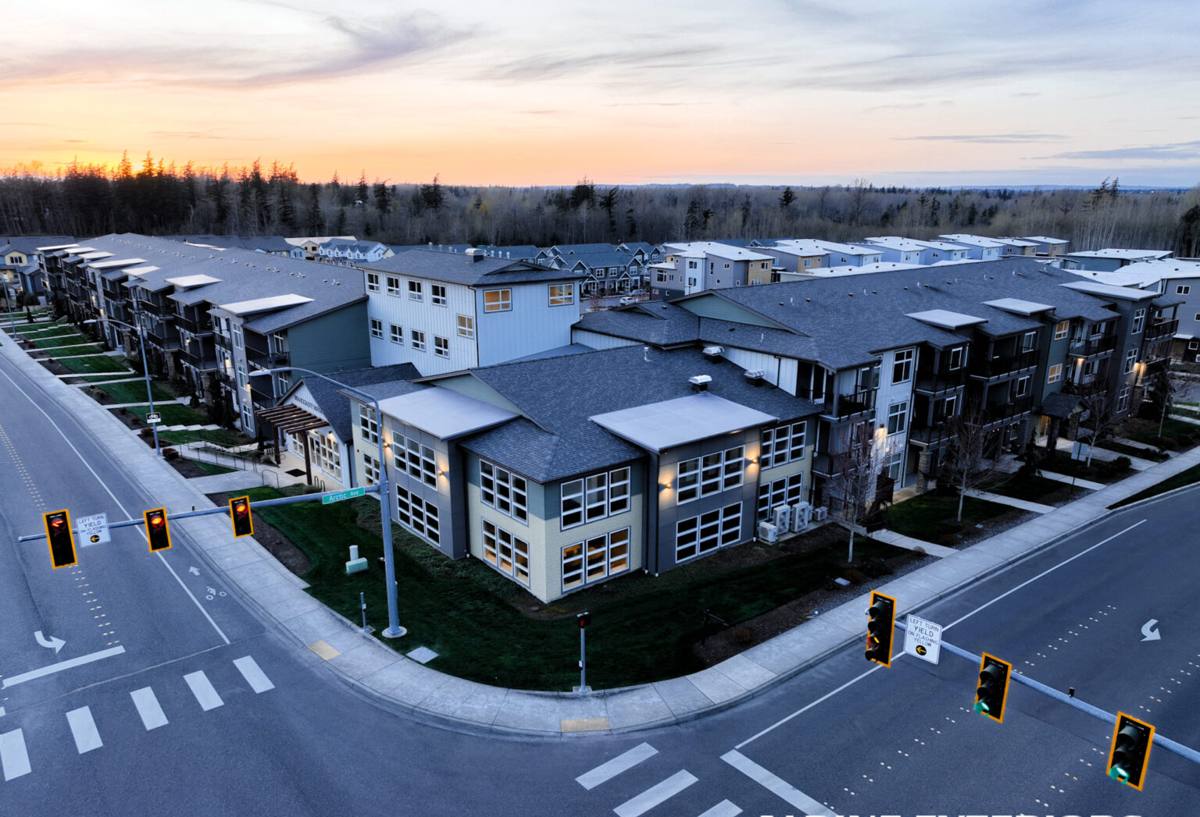
Cathcart sits in a heavily wooded, semi-rural pocket outside Snohomish, and that setting cuts both ways. The tree cover keeps summers mild, but it also means shade, slow-drying siding, and roofs and window sills that stay damp longer after every storm. Add in the salt-tinged marine air that moves through the broader Puget Sound region, months of driving rain each winter, and a moss season that can stretch from fall into spring, and you have a climate that is genuinely hard on window frames, glazing seals, and the flashing behind them. A window that would hold up fine in a dry inland climate can fail early here if it wasn't built or installed with this moisture load in mind.
Old single-pane and early dual-pane aluminum-frame windows, common in Cathcart's older homes, weren't designed for this. They lose heat fast, sweat on the inside during cold snaps, and give wind-driven rain an easy path in around the frame. Replacing them isn't just a comfort upgrade — it's a maintenance decision that affects how much water and cold air your walls deal with for the next 20-plus years.
Signs Your Current Windows Are Underperforming
Not every window needs to be replaced just because it's old. Here's what actually tells you a window is costing you money or letting moisture in:
- Fogging or a hazy film between the panes — the seal has failed and the gas fill or dead air space is gone
- Noticeable drafts near the frame even with the window latched shut
- Interior condensation or frost on the glass during cold weather
- Moss, algae, or black staining building up on the frame, sill, or trim
- Soft or discolored wood at the corners of the sill or jamb — an early sign of rot
- Windows that are painted shut, hard to open, or don't latch tight anymore
- Rooms near certain windows that always feel a few degrees colder than the rest of the house
If you're only seeing one or two of these on a handful of windows, spot repair or resealing may be enough. Several of these across most of the house usually means it's time to talk about replacement.
What "Energy-Efficient" Actually Means
The term gets used loosely, but a window's real performance comes down to a few measurable factors, all listed on the NFRC label that should come with any window you buy.
U-Factor and Solar Heat Gain
U-factor measures how much heat the window lets escape — lower is better for our climate, since our concern most of the year is keeping heat in, not out. Solar Heat Gain Coefficient (SHGC) measures how much solar heat passes through the glass; this matters less here than in sunnier climates, but it still affects rooms with strong afternoon sun exposure.
Low-E Coatings and Gas Fills
A low-E (low-emissivity) coating is a microscopically thin layer on the glass that reflects heat back into the room in winter without noticeably darkening the view. Pairing that with an argon gas fill between the panes slows heat transfer further. Together they're the single biggest efficiency upgrade over an old dual-pane window, and they add relatively little to the cost.
Warm-Edge Spacers
The spacer that separates the two panes at the edge of the glass matters more here than most homeowners realize. Older aluminum spacers conduct cold straight to the edge of the glass, which is exactly where condensation forms first in a humid climate. Warm-edge spacers (foam or composite) cut down on that edge condensation, which in turn cuts down on the mildew and staining that shows up on sills over a wet winter.
Permits and Code
Washington's state energy code sets minimum performance requirements for replacement windows, and a full-frame replacement typically requires a permit. Pulling that permit isn't just paperwork — it's the check that confirms whatever goes into your walls actually meets code, rather than just looking like an upgrade.
Frame Material Options for a Damp, Tree-Covered Lot
Frame material affects how a window handles years of damp shade and driving rain more than almost any other choice you'll make. Here's how the common options compare for a lot like a typical Cathcart property:
| Material | Moisture Tolerance | Maintenance | Typical Lifespan |
|---|---|---|---|
| Vinyl | Won't rot or corrode; handles constant damp well | Low — occasional cleaning | 20-30+ years |
| Fiberglass | Excellent — very stable through wet/dry and hot/cold swings | Low | 30-40+ years |
| Wood-clad / composite | Good on the exterior cladding, but any break in the seal exposes wood underneath | Moderate — cladding-to-wood joints need periodic inspection | 20-30 years with upkeep |
We'll install any of these, but for shaded, moss-prone lots we generally steer homeowners toward vinyl or fiberglass unless there's a specific reason to want a wood interior. It's not that wood-clad windows are a bad product — it's that a clad frame's weak point is exactly where our climate does the most damage: the seam where two materials meet and moisture wants to sit. That's a maintenance commitment worth going in with eyes open, not a reason to avoid the look if you're willing to keep up with it.
Insert vs. Full-Frame Replacement — Getting the Call Right
There are two ways to replace a window, and the correct choice depends on what's actually behind the old one — not just on price.
Insert (Pocket) Replacement
The new window fits inside the existing frame, which stays in place along with your trim. It's faster and less invasive, and it's a fine option when the existing frame is square, solid, and dry. The risk in our climate: if there's hidden moisture damage in that old frame, sealing a new window into it traps the problem instead of fixing it.
Full-Frame Replacement
The old window and frame come out entirely, down to the rough opening. This costs more and takes longer, but it's the only way to actually inspect the framing and sheathing behind the window and install fresh flashing correctly. We recommend it whenever there's any sign of past water intrusion, when the opening is out of square, or when window replacement is happening alongside siding work.
We won't default to the cheaper option just because it's cheaper — we'll tell you honestly which one your specific windows need, based on what we find once we open things up.
Installation Details That Actually Keep Water Out
The window unit itself is maybe half the job. The other half is how it's tied into the wall, and this is where a lot of preventable failures start — usually invisible until a wet winter finds the shortcut.
Sill Pan Flashing
A sloped, back-dammed sill pan under the window directs any water that gets past the frame back outside instead of down into the wall cavity. On a rainy job site this is the detail most likely to get skipped when a crew is rushing, and it's the one that matters most.
Proper Shingle-Lap Sequencing
Flashing tape and the window's nailing flange have to integrate with the weather-resistive barrier in the correct overlapping order — each layer lapping over the one below it — so water sheds down and out rather than working its way behind the siding.
Sealant, Used Correctly
Not every joint should be fully caulked. Some need to stay open at the bottom so any water that does get in has somewhere to drain back out. Sealing every gap solid can trap moisture instead of shedding it — a subtle mistake that only shows up as rot a few years later.
Moss and dark staining developing on trim within a year or two of a "replacement" is usually a sign one of these details was missed, not a sign the window itself is bad.
What Drives the Cost of a Window Project
Window pricing varies a lot from house to house, and the honest answer is it depends on several factors more than on any single "price per window" number.
| Factor | Why It Matters |
|---|---|
| Insert vs. full-frame | Full-frame involves more labor and often more materials, but it's the right call when there's hidden damage |
| Frame material | Vinyl is typically the most budget-friendly; fiberglass and wood-clad cost more upfront |
| Glass package | Standard dual-pane with low-E vs. triple-pane vs. specialty (tempered, obscure) glass all price differently |
| Number and size of openings | Larger or custom-sized windows cost more than standard sizes |
| Access and site conditions | Second-story windows, tight lot access, or heavy tree cover near the work area add time |
| Hidden repairs | Rot or water damage found once the old window is out has to be fixed before the new one goes in |
We'll walk you through which of these apply to your house before any work starts, so the number you get reflects your project and not a generic estimate.
Our Process for Cathcart Window Projects
- On-site assessment — we check existing frames, look for signs of moisture damage, and talk through your goals (comfort, noise, condensation, appearance)
- Product and glass package selection matched to your budget and each window's orientation and exposure
- Permitting for full-frame replacements, so the finished work is inspected and code-compliant
- Careful removal, with an honest look at the rough opening before anything new goes in
- Flashing, sealing, and installation done in the correct sequence for our rainfall
- Interior and exterior finish work, cleanup, and a walkthrough covering how to operate and maintain your new windows
Why a Crew That Already Works in Cathcart Matters
Window work in this area rewards local knowledge in ways that aren't obvious until something goes wrong. A crew that regularly works Cathcart and the surrounding Snohomish area already has a feel for which home vintages tend to have original single-pane or early aluminum windows, how shaded, moss-prone lots behave over a wet season, and how permitting and inspection typically go with the county. That familiarity shows up in fewer surprises during the job and faster response if a warranty question comes up later, because we're not driving in from across the region to take a look.
If you're weighing whether your windows need attention, we're happy to take a look and give you a straight answer — including telling you if a repair makes more sense than a full replacement. Reach out for a free, no-pressure estimate using the form below.