 Snohomish
 Asphalt Shingle Roofing for Cathcart Homes
Cathcart sits in a stretch of Snohomish County where big evergreen canopy, seasonal fog, and long stretches of steady winter rain all combine to put real stress on a roof. Asphalt shingles are still the right call for most homes out here — they're proven, they're repairable, and a properly installed shingle roof can go the distance in this climate. The problem isn't usually the shingle itself. It's installation shortcuts, wrong ventilation, or underlayment that wasn't matched to how much water actually moves across a Western Washington roof deck each winter.
We work Cathcart and the surrounding Snohomish neighborhoods regularly, which matters more than it sounds like. A crew that's already seen how a particular tree-heavy street or a north-facing roof plane behaves in this area isn't guessing at ventilation or flashing decisions — they've watched those roofs age.
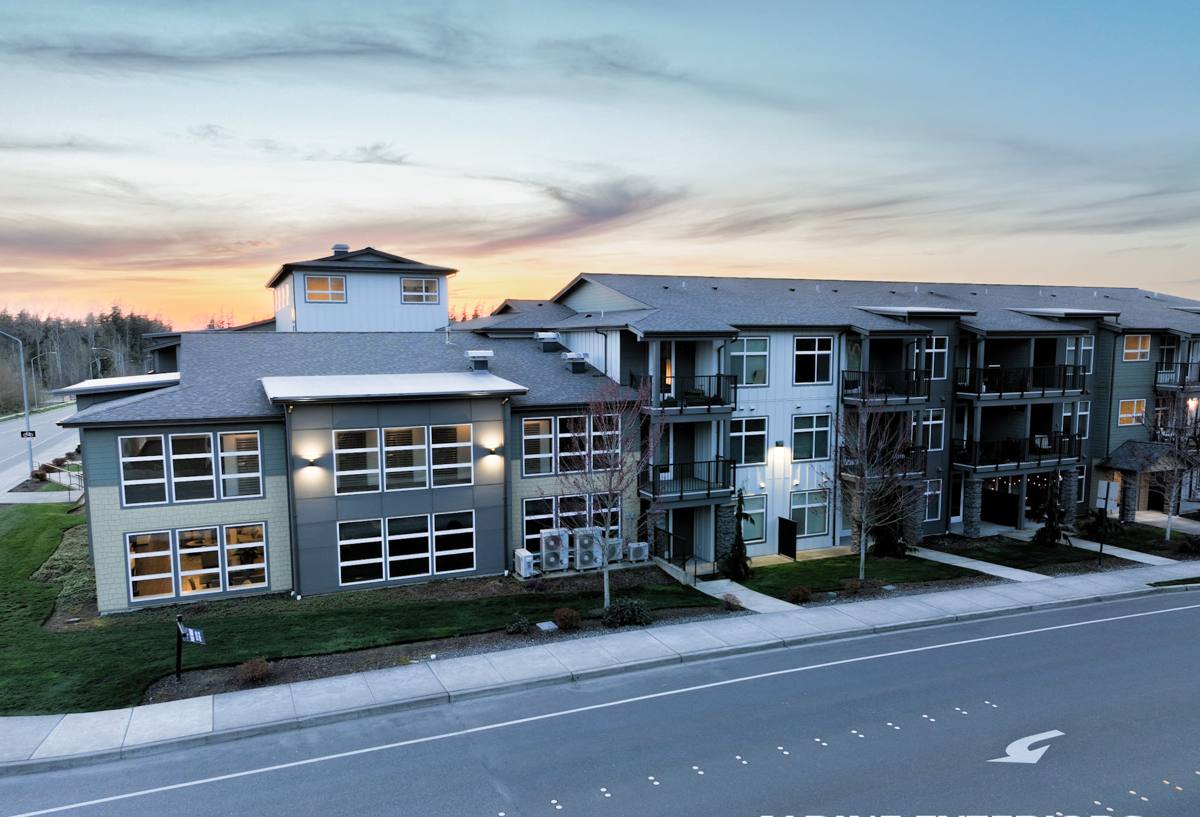
What Cathcart's Climate Actually Does to a Roof
Snohomish County doesn't get extreme weather often, but it gets persistent weather, and persistent is what wears a roof out.
Driving Rain and Wind-Driven Water
Storms coming off the Sound don't always fall straight down. Wind-driven rain pushes water sideways under shingle tabs, into valleys, and around anything that penetrates the roof plane — vents, chimneys, skylights. If underlayment and flashing details aren't built for that lateral movement, water finds the deck long before a homeowner sees a stain on the ceiling.
Moss and Sustained Shade
Cathcart's tree cover is part of what makes it a nice place to live, and it's also exactly the condition moss needs — shade, moisture, and roof surfaces that don't dry out quickly between rain events. Moss isn't just cosmetic. It lifts shingle edges, holds water against the granule surface, and accelerates the breakdown of the asphalt mat underneath.
Marine Air and Moisture Cycling
The moisture-laden air that moves in off Puget Sound keeps humidity elevated for much of the year across Snohomish County. Roofing materials that expand and contract with that constant damp-to-dry cycling need fasteners, flashing, and sealants rated for it — not the cheapest option on a supplier's shelf.
What a Correct Installation Actually Involves
A shingle roof is a system, not just a layer of shingles nailed to plywood. Skipping any one part of the system is where premature leaks come from.
Deck Inspection First
Before anything goes down, the deck gets checked for soft spots, delamination, and prior water damage. Roofing over a compromised deck just hides the problem until it fails from underneath.
Ice and Water Shield Where It Matters
Eaves, valleys, and any low-slope transitions get self-adhering waterproof membrane, not just felt. In a climate with this much sustained rain, valleys are where volume concentrates and where a lot of avoidable leaks start.
Synthetic Underlayment Across the Field
A quality synthetic underlayment sheds wind-driven rain better than old-style felt and holds up during the install itself if weather rolls in mid-project — which it often does here.
Proper Flashing at Every Penetration
Chimneys, plumbing vents, skylights, and wall-to-roof transitions all need step flashing, counter-flashing, or pipe boots sized and installed correctly — not just caulked over. Caulk is a maintenance item, not a flashing strategy.
Balanced Ventilation
Intake at the eaves and exhaust at the ridge need to work together. Without balanced airflow, moisture gets trapped in the attic, condensates on the underside of the deck, and shortens the life of the roof from the inside — regardless of how good the shingles on top are.
Our Process, Start to Finish
- On-site inspection of the existing roof, deck condition, and ventilation setup
- Written estimate with clear scope — no vague line items
- Material selection walkthrough, including shingle class and warranty terms
- Tear-off and deck inspection, with any deck repair called out before we cover it up
- Ice and water membrane at eaves, valleys, and vulnerable transitions
- Synthetic underlayment installed across the full roof field
- Shingle installation to manufacturer nailing pattern and exposure specs
- Flashing detail work at every penetration and wall intersection
- Ridge vent and intake ventilation check or upgrade
- Final walkthrough and cleanup, including magnetic sweep for nails
Shingle Options and Trade-Offs
Not every shingle line is built the same, and the right choice depends on budget, roof complexity, and how long you plan to be in the home. We lay out the honest trade-offs rather than pushing whatever has the best margin.
| Shingle Class | Typical Lifespan | Best For | Trade-Off |
|---|---|---|---|
| 3-Tab | 15–20 years | Budget-conscious re-roofs, rentals | Lower wind rating, less algae resistance |
| Architectural / Dimensional | 25–30 years | Most Cathcart homes | Higher upfront cost, much better performance in wind and rain |
| Premium / Designer | 30+ years | Homes prioritizing appearance and longevity | Highest material cost, longer lead times |
We generally steer Cathcart homeowners toward architectural shingles with algae-resistant granules. Given the moss pressure and tree cover common in this area, that granule treatment isn't a nice-to-have — it's the difference between a roof that stays clean for a decade and one that needs moss treatment every couple of years.
Repair vs. Replacement
Not every roof issue in Cathcart means a full tear-off. We'll always tell you when a repair is the honest answer.
When Repair Makes Sense
Localized damage — a section of lifted shingles, a failed pipe boot, isolated moss damage in one valley — is usually a repair, especially on a roof that's otherwise mid-life and was installed correctly to begin with.
When Replacement Is the Right Call
Widespread granule loss, multiple past patch jobs, a deck that's showing soft spots in more than one area, or a roof that's already near or past its expected service life all point toward replacement being the more cost-effective long-term decision. Patching an aging roof repeatedly often costs more over a few years than one correct replacement.
Ventilation and Moss Prevention — The Parts Homeowners Miss
Most roof problems we get called out for in shaded, tree-covered parts of Snohomish County trace back to one of two things: poor attic ventilation or moss that was never controlled early.
Attic Ventilation Checklist
- Continuous or adequate intake venting at the soffits, not blocked by insulation
- Ridge vent or equivalent exhaust venting sized to the attic square footage
- No mixing of powered fans with passive ridge vents on the same attic space, which can short-circuit airflow
- Bathroom and kitchen exhaust fans ducted all the way outside — never dumped into the attic
- Visual check for dark staining or frost on the underside of the deck, a sign moisture is already trapped
Moss Control
Zinc or copper control strips near the ridge, installed at the time of a new roof, let rain carry trace metal down the roof plane and discourage moss growth over time. For an existing roof, gentle moss removal — never pressure washing, which strips granules — combined with a proper rinse can buy years before replacement is needed.
Why Hire a Crew That Already Works Cathcart
Roofing crews that mostly work drier climates, or who parachute in from outside the area, tend to under-spec underlayment and skip ventilation details that don't matter much where they usually work but matter a lot here. A crew based in Snohomish and working Cathcart regularly already knows which roof pitches collect standing moss, which tree-heavy streets need extra attention to valley design, and how much wind-driven rain a given roof orientation actually sees in a normal winter. That local pattern recognition shows up in fewer callbacks and a roof that performs the way it's supposed to from year one.
It also matters for something more practical: being reachable. If a storm causes an issue, you want a crew that's a short drive away, not one that has to schedule you into a route from two counties over.
What This Costs — Honestly
Asphalt shingle roof pricing depends on roof size, pitch, number of penetrations, deck condition, and shingle class chosen. Steeper roofs and roofs with more valleys, dormers, or chimneys take more labor and material regardless of square footage. We don't quote a number until we've actually looked at your roof — anyone who gives a firm price over the phone without an inspection is guessing, and that guess tends to grow once the tear-off starts.
If your Cathcart home is due for a new roof, showing moss buildup, or you just want a straight answer on whether repair or replacement makes sense, we're glad to come take a look. The estimate is free, there's no pressure attached to it, and you can fill out the form below to get started.