 Snohomish
 Custom Windows Built for Silver Firs' Conditions
Silver Firs sits under some of the heaviest tree canopy in the Snohomish area, and that canopy shapes everything about how windows perform here. Mature fir stands hold shade and moisture against the north and east sides of a house long after a storm has passed, while the same Puget Sound weather systems that soak Snohomish County bring driving, wind-blown rain that finds its way into any window opening that wasn't flashed correctly the first time. Add in the salt-tinged marine air that moves through this part of Western Washington, and you've got a climate that's hard on hardware, hard on seals, and unforgiving of shortcuts.
None of that means custom windows are a bad investment in Silver Firs — it means the installation has to account for local conditions instead of following a generic checklist. This page covers what that actually looks like: what the climate does to windows over time, what a correct installation involves, what it costs, and why it matters to hire a crew that already knows this neighborhood's housing stock.
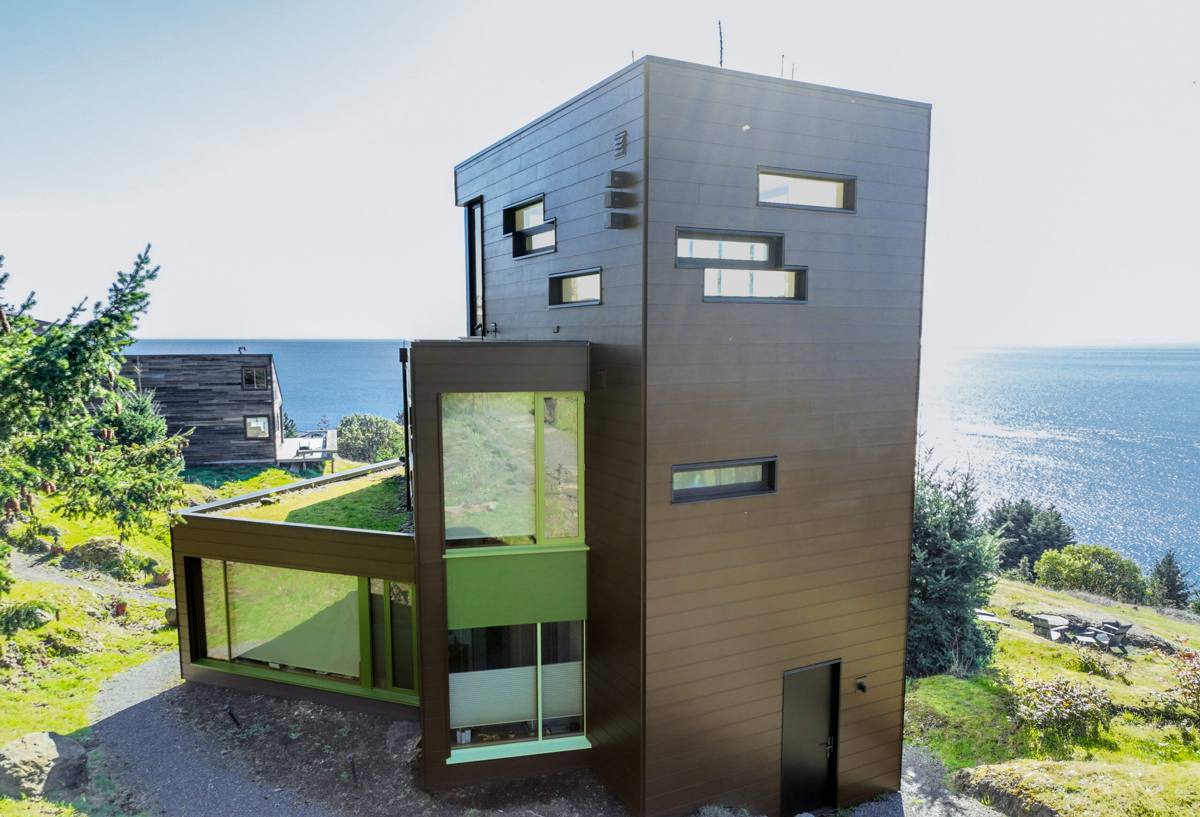
What Shade, Rain, and Moss Do to Windows Over Time
Moss and Mildew on Frames and Sills
Under heavy fir canopy, exterior surfaces stay damp for days after a wet spell. On window sills, brickmold, and exterior casing, that translates into moss and green mildew film building up faster than it would on a more open lot. It's mostly cosmetic on paint and trim, but on a window frame it's a warning sign — moss and algae hold moisture against the surface, and over years that moisture works into any seam, fastener hole, or gap in the caulk line. A window that looks fine from the yard can still be taking on water at the corners if the sealant has failed underneath the growth.
Condensation and Seal Failure
The other issue specific to shaded, damp lots is condensation — both on the glass and inside the insulated glass unit itself. When a double-pane or triple-pane window's edge seal fails, you'll see fogging or a hazy ring between the panes that never wipes away. In a shaded, cool, humid microclimate like Silver Firs, failed seals show up sooner than they would on a sunnier lot, because the glass rarely gets a chance to fully dry out between rain events. Once that seal is gone, the insulating gas fill is gone with it, and the window's energy performance drops even if the frame itself is still solid.
What a Correct Window Installation Actually Involves
Flashing and Water Management
The window itself is only part of the job. What actually keeps water out is the flashing detail around it — a sloped sill pan that directs any water that gets past the window back outside, side flashing that laps correctly with the weather-resistant barrier, and head flashing integrated above the unit so water sheds over the top instead of behind it. On a driving-rain climate like this one, a window installed with foam and caulk alone but no proper flashing sequence will eventually leak, usually into the wall cavity where nobody sees it until there's rot or a stain on the interior trim.
Retrofit vs. Full-Frame Replacement
There are two basic approaches to replacing an existing window, and picking the right one matters:
- Retrofit (pocket) replacement — the new window is built to fit inside the existing frame, which stays in the wall. Faster and less disruptive to siding and interior trim, and a reasonable option when the existing frame is dry and sound.
- Full-frame replacement — the old window and its frame come out down to the rough opening, exposing the framing and sheathing so we can check for and repair any hidden water damage before the new window and flashing go in.
In a shaded, wet-climate neighborhood, we lean toward checking for full-frame replacement more often than we would on a drier lot, simply because hidden rot behind an old frame is more common here. That decision gets made on site, not before we've actually looked at what's behind the trim.
Choosing the Right Window Material and Glass
Material choice matters more in a damp, shaded climate than it does in a dry one, because moisture exposure is a bigger factor in long-term performance than looks. Here's how the common options compare for a Silver Firs-type lot:
| Material | Moisture Resistance | Maintenance | Typical Cost Tier |
|---|---|---|---|
| Vinyl | Good — won't rot; seams can loosen over decades | Low; occasional cleaning | Lower |
| Fiberglass | Very good; dimensionally stable in wet/dry cycling | Low | Mid to upper |
| Wood-clad | Good on the exterior clad face; interior wood needs care | Moderate to high | Upper |
For homes tucked under heavy shade, we also pay attention to the glass package, not just the frame. A low-E coating and argon or krypton gas fill help with year-round comfort, but in a climate this cloudy, we don't oversell solar-heat-gain numbers the way you might for a sun-drenched region — the bigger win locally is a tight seal and good U-factor to hold heat in during the long wet season.
Our Process for Silver Firs Homeowners
On-Site Assessment
We start by looking at the actual openings — not just measuring for a quote, but checking sill condition, existing flashing, and how each window has held up under whatever shade and moisture exposure it's had. This is where we catch soft framing or a failed seal before it becomes a surprise mid-project.
Product Selection
We walk through material, glass, and style options against your budget and the specific exposure of each opening — a north-facing window under fir canopy doesn't necessarily need the same spec as a south-facing one on the same house.
Installation Day
Old units come out, framing gets inspected and repaired if needed, sill pans and flashing go in before the new window does, and everything is shimmed, sealed, and insulated to spec — not just caulked around the edges. Exterior trim and interior casing get finished to match the rest of the house.
Cleanup and Walkthrough
We clean up debris and old materials, walk the finished openings with you, and go over care and warranty coverage so you know what's covered and what routine maintenance (like keeping moss and debris off sills) is on you.
Why a Crew That Already Works in Silver Firs Matters
A lot of window problems in this neighborhood trace back to work done by someone unfamiliar with what the local housing stock and climate actually demand. Knowing that a given era of Silver Firs home tends to have a certain rough-opening size, or that a shaded lot needs extra attention to sill flashing, isn't something you get from a manufacturer's install manual — it comes from doing the work here repeatedly and seeing what fails and what doesn't.
There's also the practical matter of tying new windows into existing siding and trim without it looking patched-in. A crew that regularly works siding and windows together in Snohomish County can match reveal lines, trim profiles, and caulk joints so the finished opening looks original to the house, not retrofitted.
What Custom Windows Cost — and What Drives the Price
Exact pricing depends on size, material, glass package, and how many openings need full-frame versus retrofit work, so we won't quote a number here that doesn't apply to your house. What we can tell you is what tends to move the price:
| Factor | Why It Affects Price |
|---|---|
| Retrofit vs. full-frame | Full-frame involves more labor, trim work, and possible framing repair |
| Frame material | Vinyl, fiberglass, and wood-clad sit at different price tiers |
| Glass package | Low-E coatings, gas fills, and tempered/safety glass add cost |
| Hidden water damage | Rotted sheathing or framing found during tear-out adds repair time |
| Number and size of openings | Larger and custom-shaped units cost more per opening |
| Access and site conditions | Steep lots, upper-story openings, or tight tree clearance add labor time |
Signs Your Windows Need Attention
Given the shaded, wet conditions common around Silver Firs, here's what we'd want you to watch for between inspections:
- Fogging or a permanent haze between the panes that doesn't clear
- Moss or dark staining building up on the sill or lower frame
- Visible gaps or cracked caulk where the frame meets the siding or trim
- Soft or spongy wood trim around the window exterior
- Difficulty opening, closing, or locking a window that used to operate smoothly
- A noticeable draft or cold spot near a closed window in winter
- Interior staining or peeling paint below or beside a window
Ready to Talk About Your Windows?
If you're noticing any of the signs above, or you're just planning ahead for a Silver Firs home that's due for an upgrade, we're happy to take a look and give you an honest read on what your windows actually need — no pressure, no upsell. Use the form below to request a free estimate.