 Snohomish
 Why Everett Decks Need to Be Built Differently
Everett sits close enough to Puget Sound that salt-laden air is a real factor in how outdoor structures age, and it shares the broader Snohomish County pattern of long, wet winters with short windows of dry weather for building. A deck here isn't just outdoor furniture — it's a structure that has to shed water fast, resist fastener corrosion, and stay walkable when it's coated in a fine layer of algae for four or five months a year. A deck design that works fine in a dry inland climate can fail early in Everett if the builder didn't account for how much water this area actually sees and how long surfaces stay damp between storms.
We build and repair decks throughout the Snohomish County area, including Everett, and the recurring theme in the decks we get called out to fix is the same: someone built for looks first and drainage second. Everett's climate punishes that shortcut faster than most parts of the country.
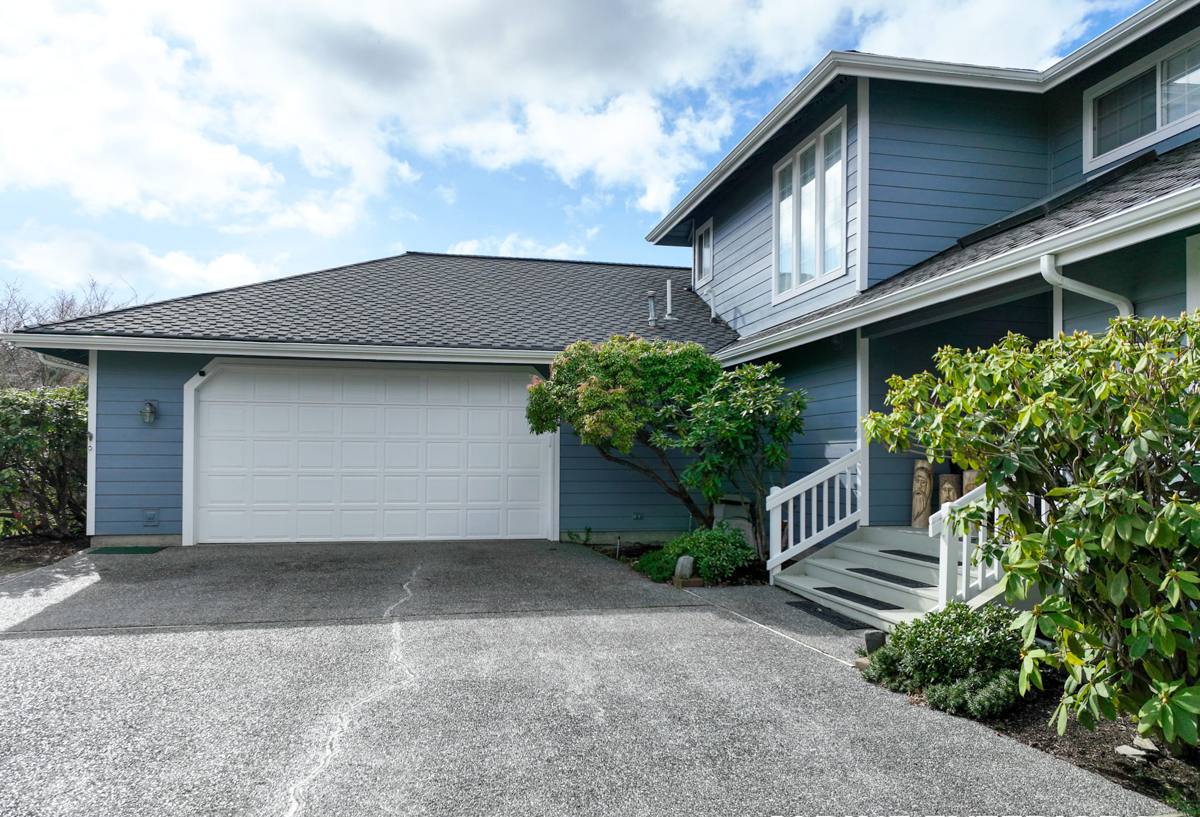
What Driving Rain and Salt Air Actually Do to a Deck
Driving Rain
Wind-driven rain doesn't just fall straight down — it gets pushed sideways under railings, into ledger connections, and behind fascia boards. Over time, water that isn't given a clear path off the structure finds its way into end grain, fastener holes, and any gap where two materials meet. That's where rot starts, almost always from the inside out, which is why a deck can look fine on the surface while the framing underneath is already compromised.
Salt Air
Proximity to Puget Sound means airborne salt is a slow, steady corrosive on any exposed metal — fasteners, brackets, hidden fastener clips, and railing hardware. Standard zinc-coated screws and connectors that hold up fine in drier inland climates can start showing rust streaks and weakening within a few seasons near the water. This is a material selection issue, not a workmanship issue, and it's one of the first things we account for when specifying hardware for an Everett project.
Moss and Algae Season
Shaded decks under mature trees, and any deck that stays damp for extended stretches, will grow moss and algae on horizontal surfaces. Beyond being unattractive, a mossy deck board is a slip hazard and holds moisture against the wood longer than a clean surface would, accelerating decay. Surface texture, board spacing, and finish all affect how much moss a deck accumulates over a wet Pacific Northwest winter.
What a Correctly Built Deck Involves
A deck that's going to hold up in this climate isn't built differently in obvious ways — the differences are mostly in details that don't show up in a quick look but matter enormously over a 15-to-25-year lifespan.
- Ledger flashing done right. The ledger board — where the deck attaches to the house — is the single most common failure point on decks nationwide. Proper flashing (metal flashing plus a self-adhered waterproof membrane) keeps water from tracking behind the siding and into the house framing, not just off the deck.
- Joist tape on framing. A self-adhesive butyl tape applied to the top of every joist before decking goes down seals the fastener penetrations and keeps standing water out of the joist's end grain — the first place rot typically starts.
- Corrosion-resistant fasteners and hardware. Given the salt air factor, we spec fasteners and structural connectors rated for coastal or wet-climate exposure rather than the minimum-grade hardware that's fine in drier regions.
- Proper drainage slope and spacing. Decking needs a slight pitch away from the house and consistent gap spacing between boards so water sheds instead of pooling — undersized gaps are a common shortcut that traps moisture and debris.
- Ventilated substructure. Airflow underneath the deck lets framing dry out between rain events instead of staying damp continuously through the wet season.
- Footings sized for our soil and frost conditions. Post footings need to be set to the correct depth and bearing for local soil conditions so the structure doesn't shift over time.
Choosing the Right Decking Material for Everett
There's no single "best" decking material — the right choice depends on budget, how much upkeep you're willing to do, and how exposed the deck is to sun, shade, and moisture. Here's how the common options actually compare for a climate like this one.
| Material | Moisture Behavior | Maintenance | Typical Lifespan |
|---|---|---|---|
| Pressure-treated lumber | Absorbs and releases moisture readily; needs sealing to slow that cycle | Annual cleaning and re-sealing recommended | 10–15 years before major work needed |
| Cedar | Naturally rot- and insect-resistant, but still absorbs water and grays without upkeep | Periodic cleaning, staining, or sealing to maintain color and protection | 15–20 years with regular care |
| Composite decking | Doesn't absorb water like wood; capped composite resists moisture damage well | Occasional washing; no staining or sealing required | 25+ years, backed by manufacturer warranty |
| PVC decking | Fully synthetic, essentially immune to moisture absorption | Lowest maintenance of the group; wash as needed | 25+ years, backed by manufacturer warranty |
In a climate with this much sustained moisture, we lean toward capped composite or PVC for most Everett homeowners who want to minimize the ongoing maintenance burden — moss and algae wipe off a capped surface far more easily than they scrub out of open-grain wood. That said, cedar remains a solid choice for homeowners who want a natural look and are willing to keep up with periodic sealing; we're honest about that trade-off rather than steering everyone toward one product.
Design Considerations Specific to Everett Properties
Everett properties vary from view lots with direct wind exposure to shaded, tree-covered yards further from the water, and the right deck design responds to which situation you're in.
Wind and Water Exposure
Homes closer to the Sound or on more open lots see stronger wind-driven rain and benefit from railing and fascia details that don't create ledges for water to sit on. We also consider wind loads on taller multi-level decks when specifying post spacing and bracing.
Tree Cover and Shade
Shaded lots hold moisture longer and grow moss faster. For these sites, board spacing, surface texture, and material choice matter more than on a sun-exposed deck, since the deck simply won't dry out as quickly between rains.
Multi-Level and Sloped Lots
A lot of Snohomish County terrain isn't flat, and Everett is no exception. Multi-level decks and taller structures need engineering attention to footings, post height, and lateral bracing that a single-level deck on flat ground doesn't require.
Our Process for an Everett Deck Project
- On-site consultation. We walk the property, talk through how you'll use the space, and assess drainage, sun exposure, and existing structural conditions.
- Design and material selection. We put together a design and go through material options honestly, including realistic maintenance expectations for each.
- Permitting. Most deck projects in this area require a building permit, especially for elevated structures or anything attached to the house. We handle that process rather than leaving it to the homeowner.
- Demolition and site prep (if applicable). Removal of an existing deck, grading, and footing layout.
- Framing and structural work. Footings, posts, beams, and joists, with flashing and joist tape applied at every stage where it matters.
- Decking, railing, and finish work. Installation of the chosen decking material, railing system, stairs, and any lighting or finishing details.
- Final walkthrough. We review the completed deck with you and go over any maintenance recommendations specific to the material you chose.
What Affects the Cost of a Custom Deck
| Factor | Why It Matters |
|---|---|
| Size and shape | Larger decks and multi-level or curved designs require more material and labor |
| Decking material | Composite and PVC cost more upfront than pressure-treated lumber but need far less long-term upkeep |
| Height and structural complexity | Elevated decks need deeper footings, taller posts, and additional bracing |
| Railing style | Cable, glass, and metal railing systems cost more than standard wood or composite balusters |
| Site access and demolition | Removing an old deck or working on a tight-access lot adds labor time |
| Permitting requirements | Setback, height, and structural review requirements vary by property and can affect design |
We give straightforward, itemized estimates rather than vague ranges once we've seen the site and heard what you're looking for — that's the only way to give you numbers you can actually plan around.
Maintaining a Deck Through an Everett Winter
Even a well-built deck needs some seasonal attention, and doing the right things at the right times of year makes a much bigger difference than most homeowners expect.
- Clear leaves and debris from between boards and off the surface before the wet season sets in — trapped debris holds moisture against the deck longer.
- Check and clean gutters and downspouts that drain near or onto the deck area, since redirected runoff is a common source of localized moss and rot.
- Wash the surface periodically during the wet months to knock back algae and moss before it gets established and slick.
- Inspect railing posts and stair connections annually for movement or soft spots, which can indicate hidden moisture intrusion.
- For wood decking, plan on re-sealing or staining on the manufacturer's or a professional's recommended schedule rather than waiting until it visibly needs it.
- Keep an eye on fastener heads and hardware for early rust staining, especially on decks closer to the water.
Why Hiring a Crew That Already Works in Everett Matters
Deck-building fundamentals are the same everywhere, but the details that determine whether a deck lasts 10 years or 25 in this specific climate come from local experience — knowing how much moisture a shaded Everett lot actually holds through the winter, which hardware grades hold up near the Sound, and what the local permitting process expects. A crew that's worked across Snohomish County brings that judgment to your project instead of applying a generic build spec that wasn't designed for this weather. We're familiar with the inspection and permitting expectations in this area, and we build every deck to hold up against the specific combination of rain, salt air, and shade that Everett properties deal with.
If you're planning a new deck or want an honest look at whether an existing one needs repair or replacement, we offer free, no-pressure estimates. Fill out the form below and we'll set up a time to walk the site with you.