 Snohomish
 Why Bellingham's Climate Is Hard on Ordinary Siding
Homes in the Bellingham area sit close enough to the water and open enough to Pacific weather systems that siding takes a beating most inland houses never see. Salt-laden air off the water accelerates corrosion on fasteners and metal trim. Driving rain, pushed sideways by wind off the water, finds every gap in a poorly flashed wall. And the long gray stretch from fall through spring keeps north- and shade-facing walls damp for weeks at a time, which is exactly what moss, algae, and mildew need to take hold.
Vinyl siding flexes and gaps in that kind of wind-driven rain. Untreated or primed wood products absorb moisture at cut edges and swell, crack, or rot faster than most homeowners expect. Even siding that looks fine from the street can be trapping moisture behind it, quietly rotting sheathing and framing where nobody's looking. That's the backdrop for every siding decision on a home in this area — the product and the installation both have to be built for wet, salty, moss-prone conditions, not just for a dry summer day.
Why We Only Install James Hardie Fiber Cement
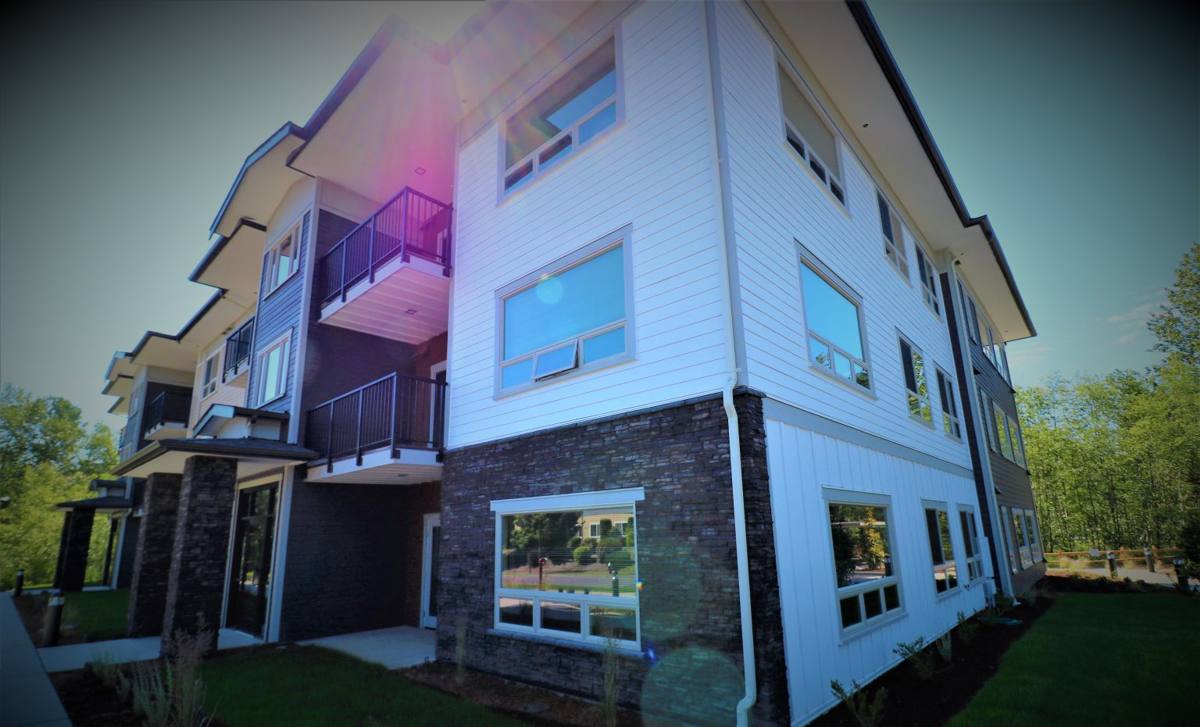
We install James Hardie fiber cement siding exclusively. We don't install vinyl, LP SmartSide, Cemplank, Allura, primed spruce, or cedar, and that's a deliberate professional standard, not a sales pitch. Each of those products has real strengths, but each also comes with a trade-off — moisture sensitivity, a shorter practical lifespan in wet climates, a maintenance burden that grows every year, or a warranty that doesn't hold up the way homeowners assume it will. Fiber cement is cement, sand, and cellulose fiber pressed and cured into a dense, non-combustible board. It doesn't feed mold the way wood-based products can, it doesn't get brittle and crack the way vinyl does in cold snaps, and its factory-applied ColorPlus finish is engineered to hold color and resist the fading and chalking that plain painted siding suffers in years of UV and rain exposure.
James Hardie also builds climate-specific product lines — HardiePlank, HardiePanel, and HardieShingle in HZ5 and HZ10 formulations engineered for wetter, harsher regions rather than a one-size-fits-all board. That matters here. A siding product engineered for a dry inland climate and shipped everywhere isn't the same as one engineered with marine-adjacent, high-moisture conditions in mind.
How Fiber Cement Actually Performs Against Salt Air, Rain, and Moss
Salt air and corrosion
Salt air is hard on metal fasteners, flashing, and trim before it's hard on the siding board itself. Fiber cement doesn't corrode, but the fasteners and flashing behind and around it can if the wrong materials are used. Correct installation means corrosion-resistant fasteners and properly flashed penetrations, not just a good board nailed up with whatever was on the truck.
Driving rain and water management
Fiber cement itself is dimensionally stable — it doesn't swell, warp, or cup the way wood-based sidings can when it takes on moisture. But the siding board is only half the water story. The other half is what's behind it: house wrap, flashing, and a drainage plane that lets any water that gets past the siding find its way back out instead of sitting against the sheathing. A wall system with excellent siding and poor flashing will still develop rot; a wall system with correct flashing and drainage is what actually keeps water out over decades.
Moss, algae, and prolonged dampness
Fiber cement is an inorganic, cement-based material, so it doesn't provide the organic food source that mold, mildew, and algae feed on the way wood fiber does. Moss and algae can still form on any exterior surface that stays damp and shaded long enough, but they sit on top of a fiber cement surface rather than breaking it down from within, and the factory finish resists staining far better than field-applied paint on wood.
What a Correct Installation Actually Involves
The siding board is the visible 10 percent of the job. The other 90 percent — the part that determines whether a home stays dry for the next 30 years — happens underneath it.
Tear-off and substrate check
We remove the old siding and inspect the sheathing underneath for soft spots, prior water damage, or rot before anything new goes up. Covering a compromised wall with new siding just hides the problem; it doesn't fix it.
Weather-resistive barrier and flashing
A correctly lapped house wrap, properly flashed windows and doors, and flashing at every horizontal transition — trim boards, roof lines, deck ledgers — are what actually stop wind-driven rain from reaching the wall assembly. This is the step that gets skipped or rushed on cut-rate jobs, and it's the step that matters most in a climate like this one.
Fastening and spacing to manufacturer spec
Fiber cement has to be fastened at the correct spacing, with the correct fastener type, and with the gaps and clearances James Hardie specifies — including clearance from grade, roof lines, and decks so the board isn't sitting in standing water or constant splash-back.
Caulking, painting, and finish details
Cut edges get sealed, joints get caulked with a product rated for the application, and ColorPlus-finished boards get color-matched touch-up rather than a mismatched field paint job. Small details like this are what separate a siding job that looks good for two years from one that looks good for twenty.
Fiber Cement Compared to the Alternatives
| Factor | James Hardie Fiber Cement | Vinyl | Primed Wood / LP-Style Panel |
|---|---|---|---|
| Moisture behavior | Dimensionally stable, doesn't swell or rot | Doesn't absorb water but flexes and can gap in wind-driven rain | Wood fiber can swell, delaminate, or rot at cut edges and joints |
| Salt air exposure | Board itself doesn't corrode; needs correct fasteners/flashing | Can become brittle and discolor over time near salt air | Finish and edges are vulnerable without diligent maintenance |
| Moss/algae resistance | Inorganic surface resists organic growth better; factory finish resists staining | Can host algae film; harder to keep a uniform color | Organic material can feed mold and mildew if damp for long periods |
| Fire performance | Non-combustible | Combustible, can melt/deform near heat | Combustible |
| Maintenance | Occasional wash; factory finish holds color for years | Low upkeep but can crack in cold and fade in UV | Repainting and caulk maintenance on a recurring schedule |
| Typical lifespan when installed correctly | Multiple decades with proper install and upkeep | Shorter practical life in harsh wind/rain exposure | Shorter without consistent maintenance |
None of these products are without merit — vinyl is inexpensive and low-maintenance in mild conditions, and wood-based panels have their place. But for a home taking direct salt air, driving rain, and a long wet season, fiber cement installed correctly is the product that holds up the best over time, which is why it's the only one we put on houses.
What Affects the Cost of a Fiber Cement Project
Every home is different, so we don't quote pricing without seeing the house, but a few factors consistently move the number:
| Cost Factor | Why It Matters |
|---|---|
| Condition of existing sheathing | Rot or water damage found during tear-off adds repair scope before new siding goes up |
| Home size and wall complexity | More corners, dormers, and trim details mean more labor and cut waste |
| Siding profile and finish choice | Lap width, shingle-style panels, and factory color options price differently |
| Trim and accessory work | Fascia, soffits, and trim boards done at the same time affect total scope |
| Access and site conditions | Steep grades, tight setbacks, or multi-story walls affect staging and labor time |
Our Process, Start to Finish
1. On-site inspection
We walk the exterior with you, check the current siding and sheathing condition, and talk through what your home actually needs — not a generic package.
2. Product and color selection
We go over the relevant James Hardie lines and ColorPlus options for the look you want and the exposure your walls get.
3. Written estimate
You get a clear scope and price before any work starts, including what's being replaced, repaired, or reinforced underneath.
4. Tear-off, repair, and install
Old siding comes off, sheathing gets inspected and repaired as needed, the weather barrier and flashing go in correctly, and the new siding is installed to manufacturer spec.
5. Final walkthrough
We walk the finished job with you before we consider it done, so you know exactly what was installed and how to maintain it.
Keeping Fiber Cement Siding Looking Right in This Climate
- Rinse siding with a garden hose once or twice a year to clear salt residue and organic buildup before it stains
- Keep gutters and downspouts clear so overflow doesn't run down the wall and feed moss growth
- Trim back shrubs and trees that keep a wall shaded and damp for long stretches
- Check caulking at trim joints and penetrations every couple of years and have gaps resealed
- Have any impact damage or chipped finish touched up promptly rather than left to catch moisture
- Walk the exterior after major windstorms to check for loose trim or fasteners
Why It Matters to Hire a Crew That Already Works in This Area
Installation detail is what determines whether siding performs for thirty years or fails in five, and the details that matter most — flashing laps, clearance from grade, fastener choice, drainage behind the wall — are exactly the ones a crew learns by working this specific climate over and over. A crew that mostly installs in drier regions can put up a technically sound-looking wall that still isn't built for sustained wind-driven rain and a long moss season. Local experience isn't a marketing line here; it's the difference between a wall assembly designed on paper and one that's been proven against the actual weather your home faces every winter.
If you're weighing a siding replacement or repair in the Bellingham area, we're happy to take a look and give you an honest read on what your home needs — no pressure, no upsell to a product we don't stand behind. Request a free estimate below and we'll walk the exterior with you and talk through the options.